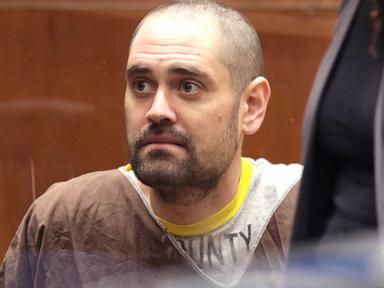
High-profile criminal cases rarely unfold without public obsession, but the ongoing legal proceedings surrounding Nick Reiner have gripped Los Angeles and the entertainment industry with a particularly haunting intensity. When a prominent family is struck by unimaginable tragedy, the aftermath usually plays out behind closed courtroom doors. Instead, this case has sparked a very public tug-of-war over prosecutorial discretion, family privacy, and millions of dollars in disputed trust funds.
Let's break down what's actually happening beneath the sensational headlines, from the district attorney's major sentencing choice to the bitter fights over court transcripts.
Why the Death Penalty Was Taken Off the Table
When Los Angeles County District Attorney Nathan Hochman announced that prosecutors would not seek the death penalty against Nick Reiner, it shifted the entire trajectory of the trial. Capital punishment cases are notoriously drawn-out, exhausting, and emotionally devastating for everyone involved.
Hochman's decision came after a rigorous review process. Prosecutors evaluated aggravating and mitigating factors, consulted heavily with law enforcement, and crucially, listened to the wishes of the victims' surviving family members.
In high-profile double homicide cases, choosing life imprisonment without parole often spares grieving relatives years of endless appellate litigation. It is a calculated prosecutorial choice that acknowledges the irreparable damage already done while prioritizing a swifter path toward legal accountability. Yet, avoiding the death penalty doesn't mean the courtroom drama is cooling down. It merely sets the stage for bitter battles over what evidence remains hidden from the public eye.
The Brutal Fight Over Grand Jury Transcripts
Behind every major criminal docket lies a quieter, equally vicious procedural war. In the Reiner case, that battle centers on whether the grand jury transcripts should remain sealed or be blasted across public news outlets.
Surviving family members have fiercely pushed to keep these records locked away. Grand jury proceedings typically involve raw, unfiltered, and deeply graphic testimony. For a family already navigating unbearable grief under a relentless media microscope, the public release of such intimate details feels like an unnecessary torture.
On the other side, defense attorneys and media organizations argue for transparency, citing the public's right to understand how the prosecution built its case. Judges have repeatedly delayed rulings on the matter, balancing constitutional transparency against the psychological well-being of a devastated family. Every delay fuels more speculation, turning standard procedural hearings into high-stakes legal theater.
Financial Battles and Legal Representation Chaos
Money rarely stays out of high-profile criminal defense, and this case is a prime example. A fierce legal fight erupted over Nick Reiner's access to a $1.5 million trust fund established by his parents back in 1993.
Defense teams argued that restricted access to these mandatory inheritance funds left the defendant unable to properly retain high-priced private counsel. This financial roadblock directly contributed to prominent defense attorney Alan Jackson stepping away from the case. When top-tier legal representation hangs in the balance of probate and trust disputes, it highlights a stark reality of the American legal system. Wealth, access, and asset freezes can fundamentally alter the defense strategy long before a jury ever gets empaneled.
Navigating Mental Health and Public Obsession
True crime culture loves a simple villain, but real-world tragedies are rarely that clean-cut. Observers have closely tracked Nick Reiner's demeanor in court, parsing every expression for signs of remorse, detachment, or psychological turmoil.
Legal experts anticipate potential defenses centered on mental health, substance struggles, or diminished capacity. Hollywood families live under a microscope, but the private struggles behind closed doors often remain invisible until a catastrophic breaking point occurs. Public commentary tends to focus on the shock value, missing the deeper, uncomfortable conversations about how families handle severe mental health crises before they turn fatal.
As upcoming hearings approach, the legal teams will continue fighting over evidentiary boundaries and financial access. The ultimate resolution won't undo the devastation left in the wake of that December night in Brentwood, but it will set the legal standard for how high-profile tragedy and systemic accountability collide in the modern courtroom.
Rob and Michele Reiner Case Updates
This video provides additional context regarding the ongoing court hearings and the legal battles over sealing grand jury transcripts in the Nick Reiner case.


