Money alone doesn't stop infectious diseases, but trying to contain a fast-moving pathogen with empty pockets is a guaranteed disaster. When the United States announced an extra $267 million injection to tackle the Ebola outbreak in central Africa, it brought total American commitments soaring toward $886 million. That is a massive financial pivot, pushing total international contributions from the G20 and global partners close to the $2.9 billion threshold.
Yet, anyone who has watched international aid land in the Democratic Republic of Congo knows the real challenge starts long after the press release. Pledges are headlines. Disbursements are lifeboats.
Where the Money Actually Goes
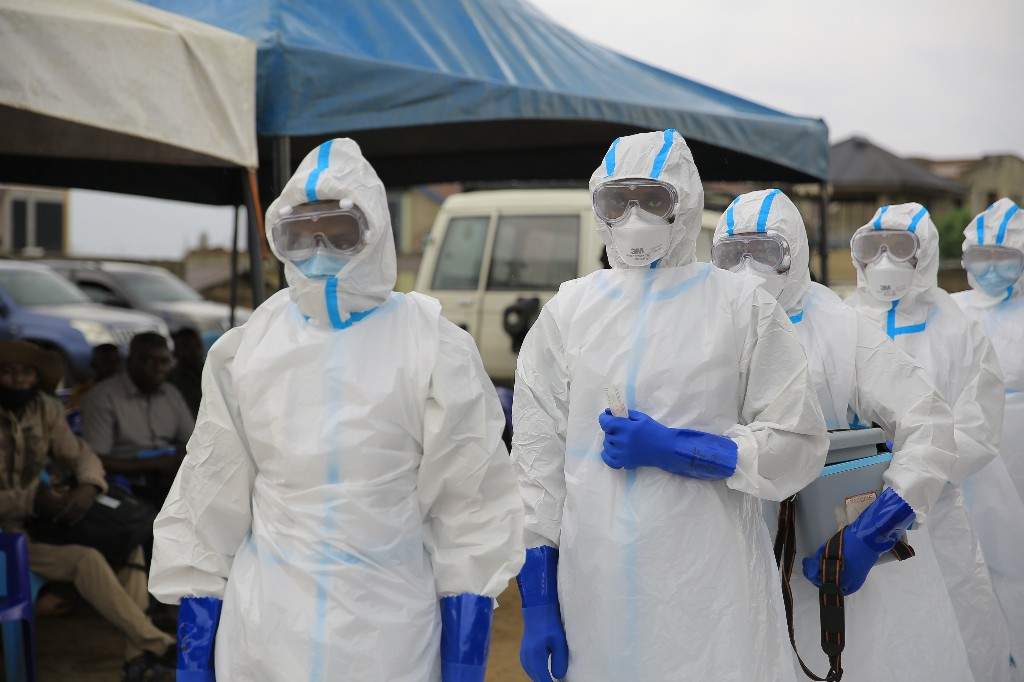
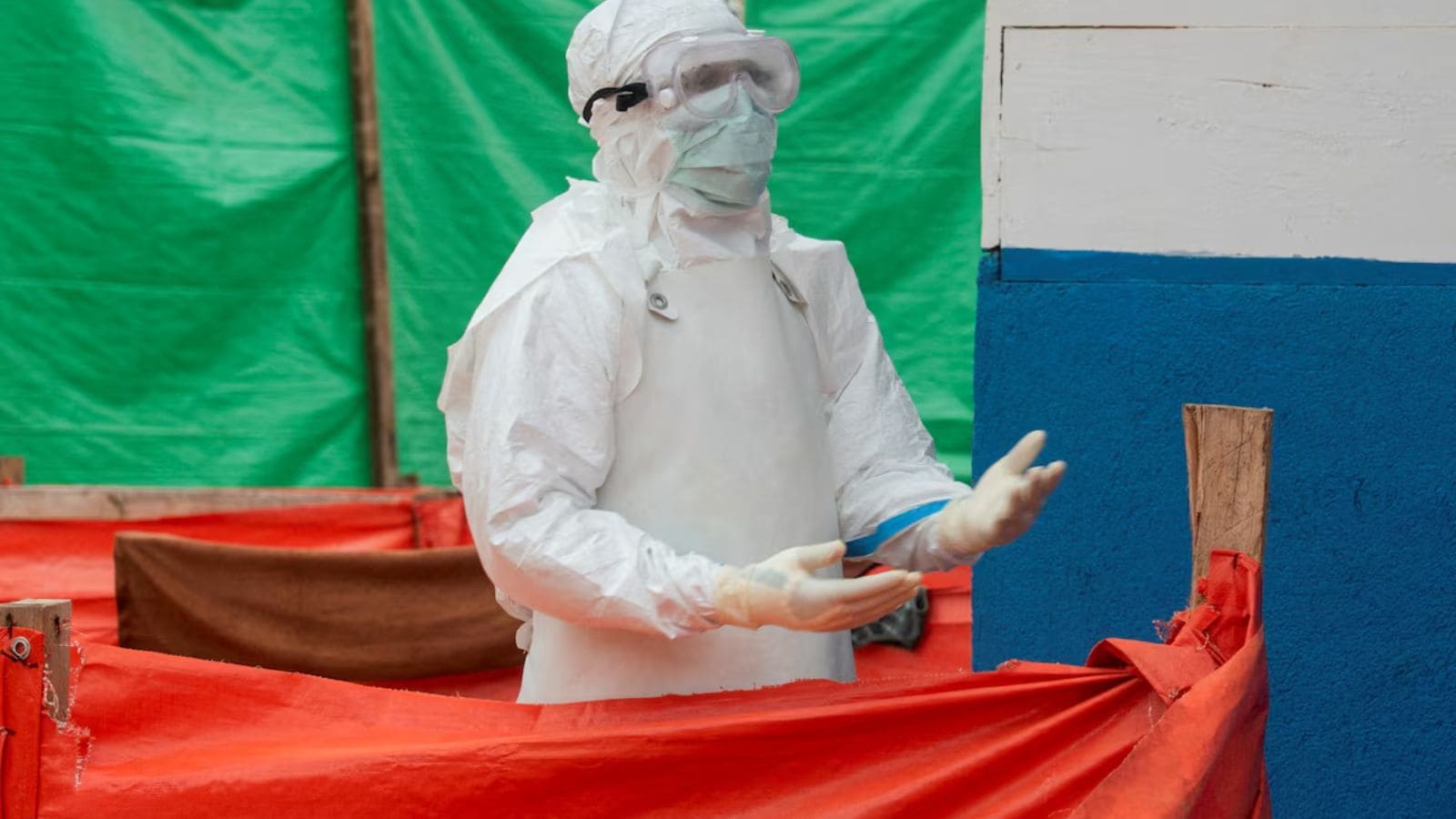
Let's look past the big digits. When a viral outbreak takes root in central Africa, the physical barriers to survival are staggering. Health ministries don't just need cash sitting in a central bank account; they need thermal scanners at regional airstrips, cold-chain storage for experimental therapeutics, and thousands of metric tons of personal protective equipment delivered directly to rural clinics.
The $267 million tranche targets specific logistical pain points:
- Building specialized treatment facilities in remote zones before transmission spikes.
- Distributing diagnostics and medical countermeasures to frontline workers who risk their lives daily.
- Bolstering operational laboratories across the region to shrink turnaround times for test results.
Without these concrete assets, disease surveillance collapses. Community health workers cannot track transmission chains if they are walking miles between villages without basic supplies or reliable transport.
The Accountability Crisis in Public Health Funding
Global health watchdogs, including the Africa CDC, have repeatedly pointed out a glaring flaw in how international crises get funded. Pledging hundreds of millions is easy. Ensuring that capital reaches local health zones quickly without getting swallowed by bureaucratic delay is where systems break down.
Earlier phases of this outbreak faced fierce criticism because millions in promised funds took months to materialize on the ground. When funding trickles in too slowly, local health systems buckle. Clinics run out of gloves, treatment costs price out vulnerable families, and community trust evaporates.
The new influx of American capital, distributed alongside Department of Health and Human Services allocations and Department of State humanitarian channels, comes with heightened demands for transparency. If every dollar isn't traceable to a village, a clinic, or a lab test, the epidemic wins.
What Real Containment Demands
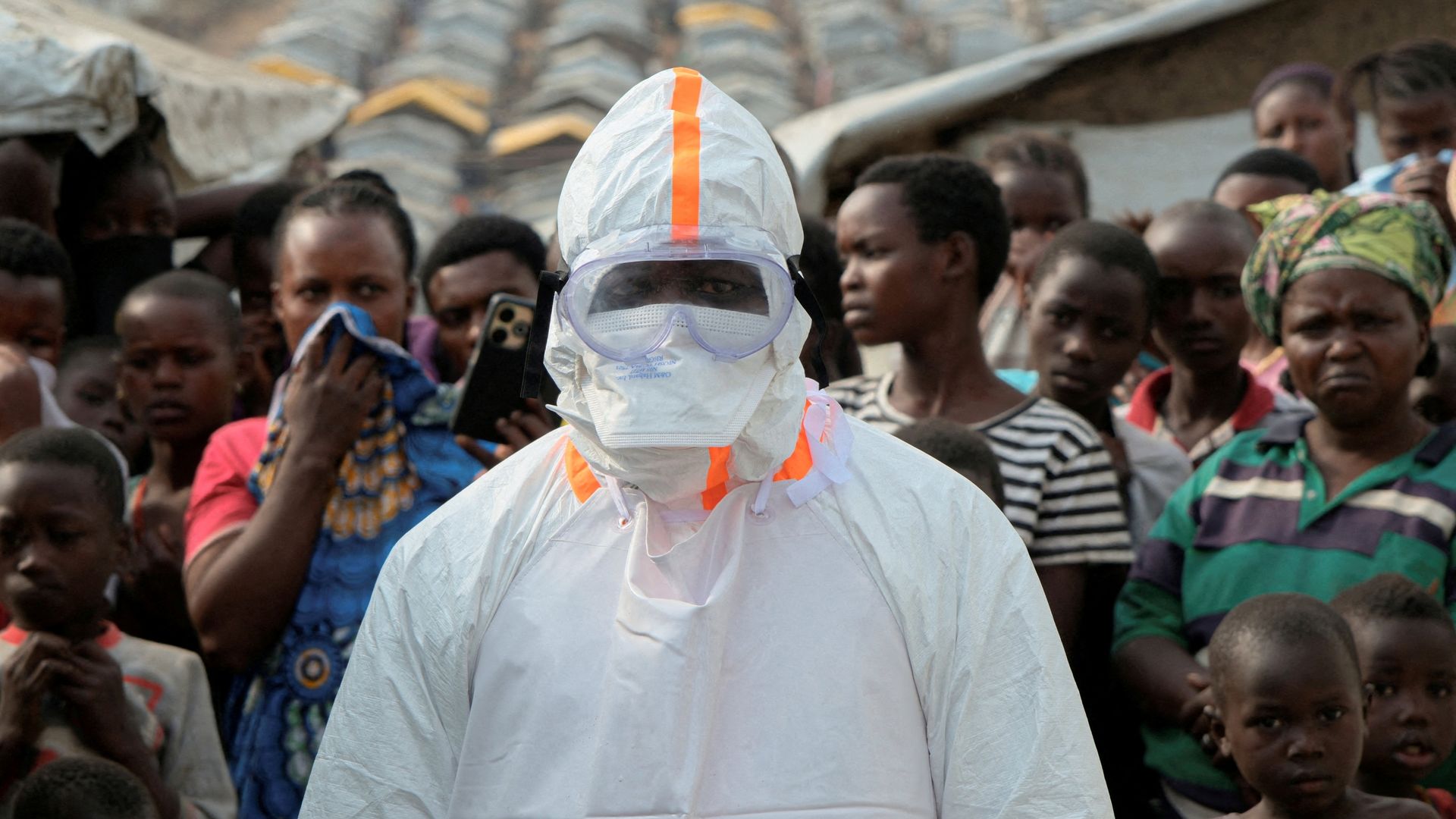
Stopping an Ebola flare-up isn't about grand political gestures. It relies on unglamorous, high-friction grassroots work. You need contact tracers who know every family in a neighborhood. You need local leaders trusted enough to debunk dangerous health rumors. You need robust supply chains that can navigate unpaved roads during rainy seasons.
The latest financial push gives central African nations a fighting chance, but foreign checks can only do so much heavy lifting. Long-term stability requires building resilient domestic health infrastructure so these regions aren't perpetually dependent on emergency external bailouts every time a virus mutates or crosses species barriers.
Track how these funds clear administrative hurdles over the coming months. The success of this multi-million dollar intervention will be measured not by the size of the pledge, but by how fast the infection rates drop on the ground.