The intersection of extreme sensory deprivation and acute dopaminergic overstimulation creates a psychological feedback loop that inevitably leads to cognitive collapse. When an individual is placed in a confined space with a surplus of cocaine and no external stimuli, the environment ceases to be a "room" and becomes a biological pressure cooker. The absence of social mirrors, task-based rewards, or sensory variety forces the brain to rely entirely on exogenous chemical signaling to maintain a sense of self and time. This scenario is not a test of willpower; it is a clinical demonstration of how high-velocity neurotransmitter depletion interacts with the breakdown of the prefrontal cortex under isolation stress.
The Architecture of Stimulant-Induced Isolation
The psychological outcome of this scenario is governed by three primary variables: the rate of dopaminergic firing, the absence of inhibitory social feedback, and the degradation of the circadian rhythm. In a standard environment, cocaine use is often mediated by external factors—conversations, movement, or changing locations. Removing these variables concentrates the drug’s impact on the internal monologue, creating a phenomenon known as "stimulant psychosis" at an accelerated rate.
The Dopamine Reward Circuitry Failure
Cocaine functions by blocking the reuptake of dopamine, norepinephrine, and serotonin. In a cage with no other tools or distractions, the user enters a state of hyper-focus with no object of focus.
- The Signal-to-Noise Ratio: Under normal conditions, dopamine signals "importance" or "reward." In isolation, the brain finds nothing rewarding to observe except its own escalating heart rate and racing thoughts. The "signal" becomes the drug itself, leading to a compulsive re-dosing cycle that persists until the supply is exhausted or the cardiovascular system reaches a critical failure point.
- Receptor Downregulation: The brain attempts to maintain homeostasis by reducing the sensitivity of dopamine receptors. In a high-availability environment, the user must increase the dose to achieve the same baseline, leading to a "ceiling effect" where euphoria vanishes, leaving only the physical symptoms of anxiety and paranoia.
- The Loss of Objective Reality: Without a second person to verify perceptions, the brain begins to misinterpret internal noise as external threats. This is the physiological origin of the "shadow people" or auditory hallucinations common in high-dose stimulant abuse.
The Sensory Deprivation Bottleneck
Isolation acts as a multiplier for chemical paranoia. The human brain is a prediction engine; it requires constant data from the environment to calibrate its internal model of the world. When that data is removed, and the engine is "overclocked" by stimulants, the engine begins to invent data to fill the void.
Phase 1: The Intellectual Surge
The initial thirty to sixty minutes are characterized by a false sense of profound insight. Without the distraction of other people, the user may feel they are "solving" complex problems. However, this is a kinetic illusion. The prefrontal cortex is firing rapidly, but the lack of a recording mechanism (paper, digital input) or a sounding board means these thoughts are ephemeral. They provide the sensation of progress without the product.
Phase 2: The Hyper-Vigilance Pivot
As the norepinephrine levels climb, the body enters a permanent "fight or flight" state. In a cage, there is nowhere to run and nothing to fight. This trapped energy manifests as stereotypy—repetitive, purposeless movements. The user might pace the perimeter, count the bars, or pick at their skin. The "nothing" in the cage becomes a source of intense irritation because the brain is demanding a task that the environment cannot provide.
Phase 3: Total Cognitive Fragmentation
By the twelve-to-eighteen-hour mark, sleep deprivation compounds the chemical effects. The blood-brain barrier is under stress, and the metabolic waste products of neurotransmitter breakdown begin to accumulate. At this stage, the "cage" is no longer a physical boundary; the user is locked inside a paranoid narrative where every heartbeat sounds like a footstep outside the door.
The Biological Cost Function
The human body possesses a finite "battery" of neurotransmitters. Cocaine does not create energy; it borrows it from the future at a high interest rate. In a cage with an unlimited supply, the user is essentially liquidating their entire neurochemical reserve in a single session.
Cardiovascular Overdrive
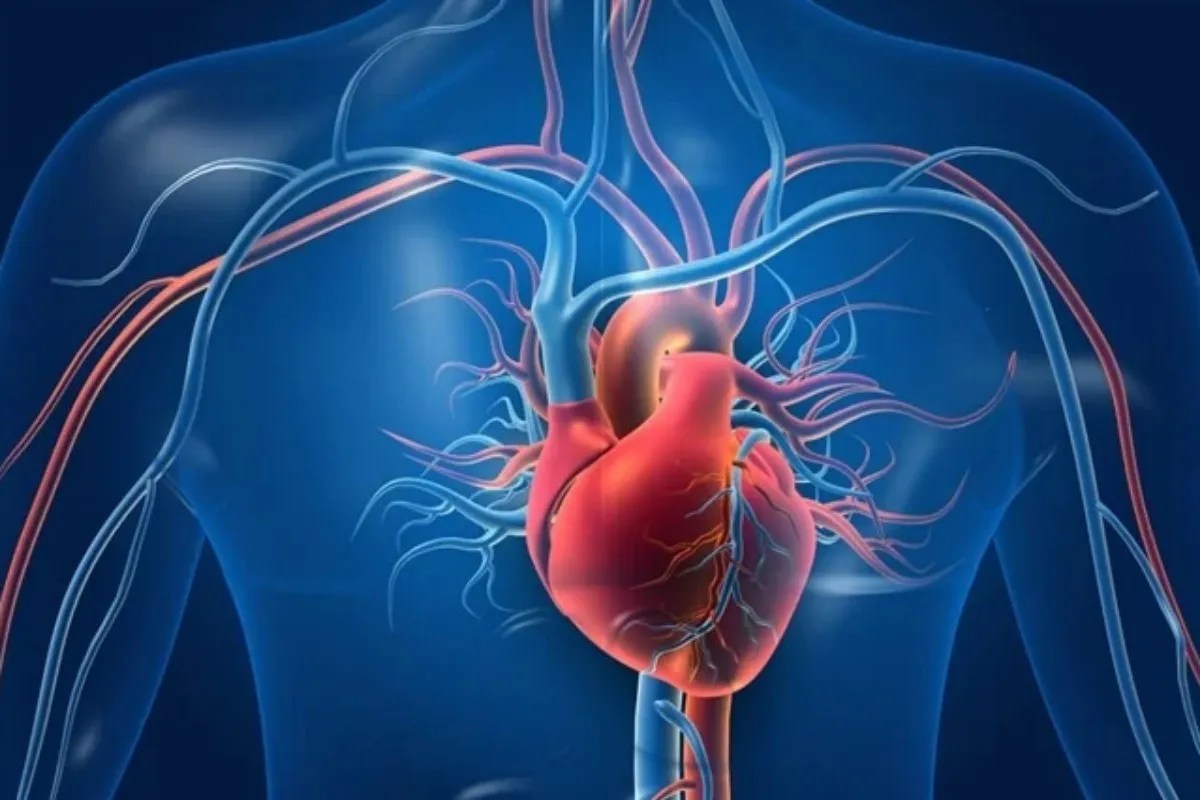
The physical limits of the experiment are defined by the $V_{max}$ of the heart. Cocaine is a potent vasoconstrictor and local anesthetic that interferes with sodium channels in cardiac tissue.
- Tachycardia: Persistent heart rates above 120 BPM.
- Hypertension: Elevated blood pressure puts immense strain on the cerebral vasculature.
- Hyperthermia: Stimulants interfere with the hypothalamus's ability to regulate temperature. In a confined space, the lack of airflow can lead to a lethal rise in core body temperature, regardless of the ambient room temperature.
The Crash Mechanism
When the supply ends or the brain hits a total "burnout" point, the resulting crash is more than just tiredness. It is a state of acute anhedonia—the complete inability to feel pleasure. The dopamine transporters have been so heavily inhibited and the receptors so numbed that even basic functions like eating or drinking water feel like insurmountable tasks. This is the most dangerous period for self-harm or profound psychological trauma, as the individual is forced to confront the reality of their isolation while their brain's "hope" circuitry is offline.
Structural Realities of Compulsive Use
Most discussions of this scenario focus on the "fun" or the "horror," but the reality is characterized by a mundane, mechanical compulsion. The "Pillar of Re-dosing" dictates that as long as the substance is present, the executive function required to stop is the very thing the substance has disabled.
- The Paradox of Choice: With nothing else to do, the act of using becomes the only available "event" in the timeline. The user isn't choosing to use; they are filling a temporal void.
- The Disintegration of Time: Stimulants distort the perception of time. Hours can pass in a blur of repetitive motion, while the seconds between doses can feel like hours. This temporal distortion makes it impossible for the individual to pace themselves or plan an "exit strategy" from the session.
- The Ego Death: Ultimately, the combination of isolation and overstimulation strips away the persona. The person in the cage ceases to be an accountant, a father, or a friend, and becomes a biological machine dedicated to a single, failing feedback loop.
Tactical Assessment of the Environment
If an individual were forced into this scenario, the only way to mitigate the damage—though not eliminate it—would be to impose artificial structure on an unstructured environment.
- Hydration Control: Stimulants suppress thirst, yet the metabolic demand for water skyrockets. Dehydration is the primary catalyst for the physical tremors and cognitive haze that lead to the "bad trip."
- Physical Grounding: Intentional, slow movements to counteract the involuntary "jitters" of the nervous system.
- Mental Pacing: Attempting to visualize or "build" complex structures in the mind to give the excess dopamine a channel, rather than letting it turn into paranoia.
However, these are theoretical mitigations. In practice, the chemical hijacking of the amygdala makes logical planning nearly impossible once the serum levels reach a certain threshold.
The Definitive Forecast of the Experiment
The result of being alone in a cage with a surplus of cocaine is a 100% probability of psychological trauma and a high risk of physiological catastrophe. The experiment ends in one of three ways: cardiac event, a psychotic break requiring medical intervention, or a deep, suicidal depression upon the exhaustion of the supply. There is no version of this scenario where the "freedom" from distraction leads to enlightenment or productive thought. The brain requires the friction of reality to stay sane; without it, stimulants simply accelerate the process of mental dissolution.
The strategic imperative for any entity analyzing this behavior is to recognize that the drug is not the only variable—the cage is the catalyst. The lack of social and physical utility transforms a recreational stimulant into a neurotoxic weapon. The final state is not one of high-energy euphoria, but of a broken organism staring at a wall, waiting for a heart attack or the sun to come up, whichever arrives first.