When satellite links drop and early warnings go quiet right before a missile barrage, it feels like abandonment. Honestly, anyone standing in a cold command bunker or watching drones lose video feed would see a network disruption and an intelligence blackout as a betrayal.
Yet calling temporary freezes or commercial terminal hiccups a full U.S. desertion misses how modern power politics actually works. Washington has repeatedly swung between freezing support and restoring it as leverage in high-stakes negotiations. That whip-saw behavior hurts badly on the ground, no question. Still, tactical pressure isn't the same thing as walking out the door permanently.
How Network Disruptions and Intelligence Blackouts Hit the Front Line
Modern war runs on data packets and orbital eyes. Take away either one, and a well-armed brigade suddenly fights half-blind.
During the March 2025 pause in U.S. intelligence sharing and military aid, Ukrainian forces lost critical targeting data needed for deep strikes inside Russia and struggled to track movements with the same precision. Reporting from The Guardian and policy briefs from Carleton University's Eastern European and Transatlantic Network showed how quickly a data freeze ripples outward. Without fresh satellite imagery and target cues, long-range fires lose accuracy and defensive planning gets harder.
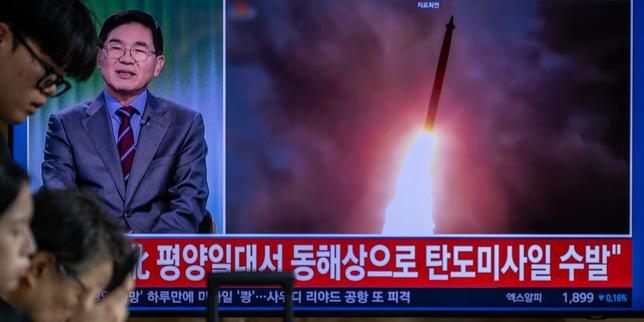
Then came the October and November 2026 flare-ups. Ukrainian President Volodymyr Zelenskyy stated that U.S. intelligence sharing on Russian ballistic missile launches was blocked for three days, leaving Ukrainian air defenses without Washington's unique early-warning alerts during incoming attacks. Around mid-October 2026, Ukrainian volunteers and officials also reported sudden restrictions on Starlink military use coinciding with missile launches, followed by further disruptions in November that drew scrutiny from U.S. Senators Jean Shaheen and Chris Coons.
Three things break almost immediately when links and feeds get throttled:
- Ballistic missile warning windows shrink: Only the United States holds certain space-based and sensor capabilities capable of rapidly flagging launches and trajectories.
- Precision strike cycles stall: Deep strikes and artillery adjustments rely on timely reconnaissance rather than guesswork.
- Unit coordination slows down: Frontline drone operators, medics, and artillery teams rely on steady low-earth-orbit connectivity to move video, coordinates, and status updates in real time.
Leverage Isn't Abandonment, Even When It Feels Like It
A lot of commentators treat any suspension as proof the U.S. is packing up and leaving Ukraine to fend for itself. I think that's too simple—and frankly, it overlooks the pattern of turn-on, turn-off diplomacy.
In spring 2025, Washington paused aid and intelligence after sharp clashes over negotiations, then later moved back toward sharing intelligence on long-range energy targets and working with allies. In October 2026, Zelenskyy noted that the three-day block on ballistic missile intelligence had been lifted, and Ukraine's Defense Ministry reported Starlink and Starshield speeds recovering later that month.
Why do these freezes keep happening? Because Washington uses access as a throttle. By tightening or loosening intelligence and communications support, U.S. policymakers try to shape bargaining positions around ceasefires, border talks, and security arrangements.
That doesn't make the tactic painless. Quite the opposite. Even a short blackout can cost lives, strain morale, and hand Russian forces a temporary opening. When allies watch an intelligence tap get turned off and back on, trust takes real damage across Europe and NATO. Yet a transactional squeeze aimed at forcing talks is different from a complete withdrawal of American strategic interest.
The Hidden Vulnerability of Commercial Space Networks
Here's a detail plenty of hot takes gloss over: battlefield connectivity isn't just a government-to-government wire anymore. It's tangled up with private space infrastructure.
Reporting by Reuters and The Guardian has highlighted years of behind-the-scenes friction and government requests involving SpaceX's Starlink service across conflict zones, alongside disputes over Starshield capabilities and contracts. When a private company operates commercial and specialized satellite constellations used by armed forces, policy debates, technical geofencing, contract renewals, and executive decisions all collide in the same airspace.
Relying on a single commercial satellite network for frontline command creates a single point of political and technical friction.
You can see why European leaders and defense planners are jittery. If a single vendor or single capital can throttle throughput—or if contract terms and oversight remain murky—an army's nervous system depends on decisions made far outside the war zone. Diversifying communications paths, hardening radio relays, and building backup mesh or European satellite options aren't nice-to-haves anymore. They're basic survival engineering.
What You Should Watch Next Instead of Falling for Rumors
Social media loves turning every glitch into a grand finale. Whenever a terminal drops offline or a briefing gets delayed, rumors of total abandonment sprint ahead of verified facts.
If you're tracking this story closely, focus on signals that actually carry weight:
- Check official confirmations from both sides: Watch for statements from Kyiv's defense and presidential offices alongside U.S. congressional inquiries or executive readouts, rather than unverified claims of total shutoffs.
- Separate packet drops from policy freezes: A temporary speed dip or regional disruption can stem from electronic warfare, maintenance, or contract friction, whereas a formal intelligence pause involves deliberate government withholding.
- Track diplomatic talks alongside frontline shifts: Pay attention to ceasefire negotiations, European security proposals, and upcoming contract milestones, since intelligence access often tightens or loosens right around diplomatic pushes.
- Look at European capacity building: Watch whether European partners expand independent reconnaissance, air-defense coordination, and alternative satellite links to cushion future shocks.