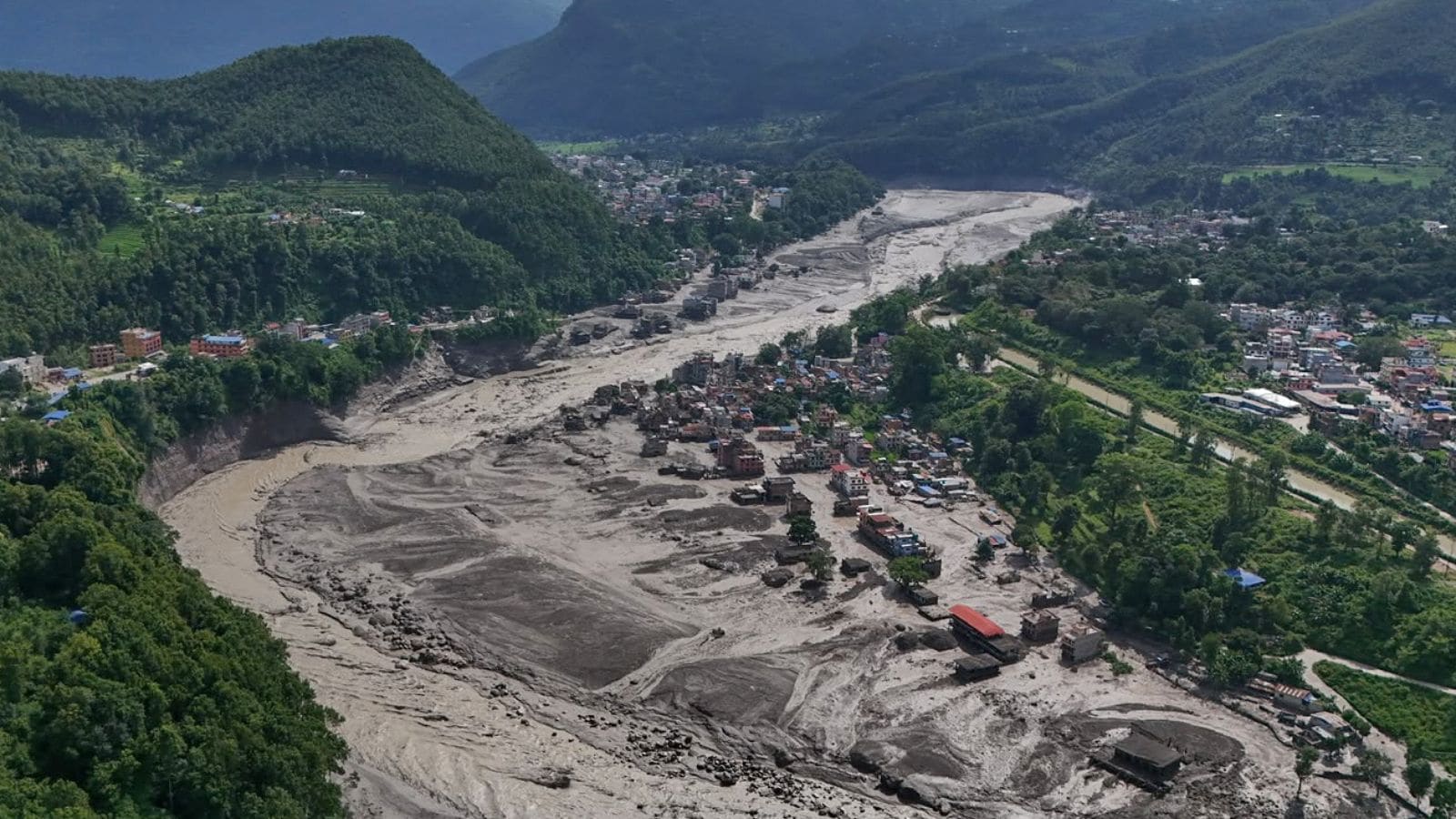
Monsoon season in the Himalayas has always been a brutal test of endurance, but recent events show just how fast a routine weather advisory can turn into a desperate fight for survival. When authorities issue warnings about rising water levels across multiple districts, most people nod, check their phones, and go about their day. That is a massive mistake. The standard news reports rarely capture the terrifying speed at which Himalayan river systems transform from calm streams into roaring walls of debris, mud, and water.
If you live anywhere near the major river corridors or travel through the central hills, understanding how these flood alerts work can save your life. Let's break down what is actually happening on the ground, why standard evacuation protocols fail, and what you need to do when the red flags go up.
The Reality Behind the Districts on High Alert
Recent weather tracking and emergency updates have put several core districts squarely in the crosshairs. Valleys and settlements along the Bhote Koshi, Trishuli, and surrounding river networks face immediate threats as relentless precipitation destabilizes fragile mountain slopes. Debris flows don't just stay in the high mountains; they travel dozens of miles downstream with terrifying momentum, wiping out bridges, blocking hydroelectric tunnels, and isolating thousands of households before local authorities can even deploy heavy machinery.
The National Disaster Risk Reduction and Management Authority (NDRRMA) along with international bodies like the International Federation of Red Cross and Red Crescent Societies (IFRC) face immense hurdles. Whole communities remain cut off because access roads are completely washed out. When you hear that water levels are rising near major barrages and low-lying plains, it means the ground is completely saturated. Every drop of new rain has nowhere to go except straight into the nearest riverbed.
Why Standard Warnings Fall Short
Most government alerts rely on standard river-gauge measurements. While useful, gauges miss flash floods triggered by upstream landslides or sudden glacial lake outbursts. By the time a gauge reads dangerous levels, the water might already be sweeping through downstream villages.
People often stay put because they look outside and think the rain doesn't look that bad where they are standing. They forget that a massive downpour fifty miles upstream in an unmonitored gorge creates a delayed wave of destruction. You cannot judge your safety by looking at your immediate backyard during a Himalayan monsoon.
Common Misconceptions About Monsoon Flooding
- Waiting for official evacuation orders: By the time authorities physically knock on doors, local escape routes may already be submerged or blocked by mudslides.
- Underestimating shallow water: Just six inches of fast-moving water can sweep a grown adult off their feet, and two feet will carry away most vehicles.
- Assuming concrete structures are safe: Silt-heavy floodwaters carrying heavy timber and boulders can undermine foundations faster than standard water currents.
Practical Steps to Protect Yourself Right Now
Living through or visiting flood-prone regions during peak monsoon requires a proactive mindset. Do not wait for a disaster to test your preparedness.
Monitor Upstream Weather Patterns
Keep an eye on weather reports coming from higher elevations, not just your local forecast. If heavy rain is pounding the upper districts, your area will likely see rising waters hours later.
Secure Essential Go-Bags
Keep your documents, cash, medications, and a basic emergency kit packed in waterproof containers near an exit. When water starts rising, you will have minutes, not hours, to move to higher ground.
Identify Safe Evacuation Routes Early
Map out high-altitude paths that do not rely on crossing bridges or low-lying roads prone to flash flooding. Talk to your neighbors and local community leaders to ensure everyone has a designated meetup spot above the flood line.
Preparation and situational awareness remain your only reliable shields against unpredictable mountain weather. Stay alert, respect the power of rising rivers, and never assume a minor warning means you are safe.
Monsoon season adds threat of heavy rain after Nepal floods
This video provides important meteorological context regarding the ongoing heavy monsoon rains and weather patterns impacting the flood zones across Nepal.