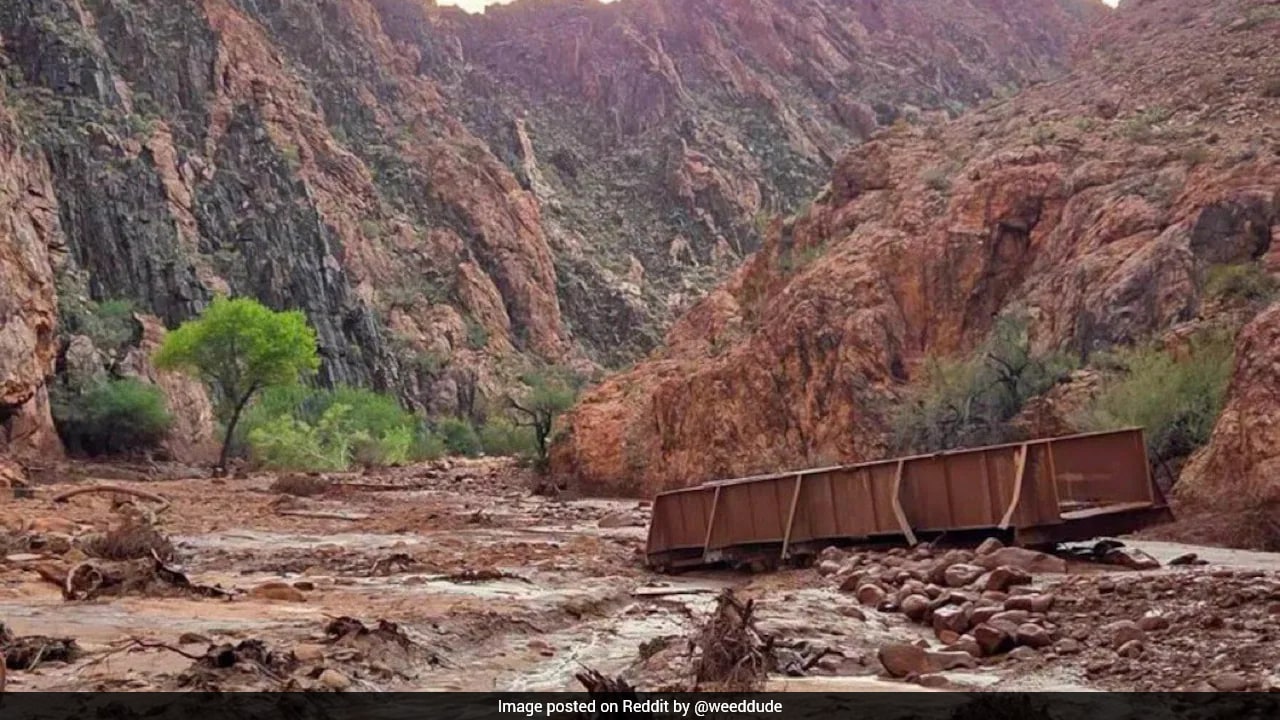
The monsoon rains do not knock. They arrive with a dull, subterranean roar that vibrates through the river stones long before the water breaches the banks. When the wall of brown mud and debris slammed into the village, survival ceased to be a matter of preparation and became a coin toss dictated by geography, seconds, and sheer stubborn luck.
Behind the singular narrative of a miraculous escape from the Nepal flood disaster lies a grinding machinery of institutional failure, recurring climate shocks, and a rural population left to read the weather with nothing more than intuition and an anxious eye on the sky. Disaster reports tend to fixate on the individual miracle, the lone survivor clinging to a branch or pulled from a raging torrent by a makeshift rope. This focus serves a comforting narrative purpose. It frames catastrophe as an obstacle course of personal grit rather than a systemic breakdown of early warning infrastructure.
When we strip away the dramatic theater of the rescue, the raw mechanics of the crisis reveal a terrifying vulnerability across South Asia's river basins. The survivor stories matter, but only if we use them to interrogate the yawning chasm between high-level policy papers drafted in Kathmandu and the reality of a midnight flood hitting an unlit, unmapped riverbank.
The Anatomy of a Midnight Surge
Monsoon floods in the Himalayan foothills follow a predictable seasonal rhythm, yet each year's devastation arrives as if caught by total surprise. The physics of these events are unforgiving. Steep gradients mean that heavy rainfall in high-altitude catchments funnels into narrow gorges, turning placid streams into battering rams within hours.
Consider a hypothetical settlement situated on a low-lying alluvial fan where three tributaries converge. When cloudbursts stall over the upper ridges, the water volume multiplies exponentially. Traditional upstream-to-downstream communication pathways often break down right when they are needed most. Hydrological stations measure river height, but telemetry data frequently stalls due to power outages, damaged cell towers, or bureaucratic latency. By the time an automated alert generates, the water has already outpaced the signal.
Survivors frequently recount the sudden absence of sound just before impact. The crickets stop. The wind shifts. Then comes the sound of grinding boulders—a freight train underground. That acoustic signature is the only warning system many remote communities possess. Relying on the acoustic vigilance of sleeping villagers is not disaster management. It is a system of abandonment dressed up as resilience.
Why Early Warning Systems Fail on the Ground
International aid organizations pour millions into state-of-the-art meteorological equipment, yet the final mile of communication remains fractured. A sensor floating on a river twenty miles upstream is useless if the siren battery in the downstream village is dead, or if the local official tasked with making the evacuation call is asleep or unreachable.
The structural disconnect is multilayered.
- Centralized Data Silos: Meteorological agencies collect hyper-local precipitation data, but dissemination channels to vulnerable rural municipalities remain slow and overly bureaucratic.
- The Last-Mile Breakdown: Sirens and automated text messages assume universal smartphone ownership, continuous electricity, and cellular coverage—conditions that rarely exist in the most remote Himalayan valleys.
- Warning Fatigue: When false alarms sound too often due to poorly calibrated sensors, communities stop evacuating. When the real catastrophic surge finally hits, residents hesitate until escape routes are already submerged.
Communities do not need more abstract risk assessments. They need localized, redundant, community-owned communication loops that do not depend on national grid stability.
The Economics of Displacement and Rebuilding
Surviving the initial wall of water is merely the opening act of a protracted tragedy. Once the floodwaters recede, they leave behind layers of sterile silt, ruined agricultural land, and destroyed access roads that isolate survivors for weeks.
Disaster capitalism and sluggish bureaucratic relief efforts form a toxic partnership. Families who manage to drag themselves out of the floodwaters find themselves sleeping under plastic tarpaulins on unstable hillsides, vulnerable to secondary landslides triggered by destabilized slopes. The economic shock reverberates for years. Micro-loans taken out for seed and fertilizer are swallowed by the mud. Livestock—the primary liquid capital of rural Nepali households—vanishes downstream in minutes.
When rebuilding begins, the instinct is often to return to the exact same riverbanks because ancestral land rights and sheer economic necessity leave no alternative. Telling a subsistence farmer to relocate to higher ground sounds pragmatic in a conference room in the capital. On the ground, it means abandoning the only soil you own for a life of landless destitution in an urban slum.
Confronting the Climate Reality
The Himalayan ecosystem is warming at a rate well above the global average. Glacial lake outburst floods add an unpredictable element to standard monsoon models. These events do not rely on ordinary rainfall patterns; they occur when terminal moraines fail, releasing billions of gallons of water into river systems without warning.
Traditional disaster planning assumes historical weather data can predict future risks. That assumption is now obsolete. The rivers are rewriting their own maps every single monsoon season, cutting new channels through villages that stood safely above the high-water mark for generations.
Until disaster response pivots from reactive rescue operations to aggressive, decentralized climate adaptation, every survivor's miraculous escape will remain an indictment of a system that waited until the water was already at the throat to pay attention.