The death toll from the catastrophic flash floods in Nepal has climbed to 1,003, leaving emergency responders battling immense odds. When a massive wall of water and debris tore down from the Nepal-Tibet border following an ice and rock avalanche on August 26, it didn't just wash away infrastructure. It triggered a humanitarian nightmare that is still unfolding today.
Nearly 4,000 people remain missing. Entire communities in northern and central Nepal are buried under thick layers of mud. If you are wondering how a localized natural trigger snowballed into a disaster of this magnitude, the answer lies in the sheer velocity of the Bhotekoshi River and the vulnerability of regional development projects. Don't miss our previous article on this related article.
Inside the Ground Reality of the Rescue Operations
Over 22,000 security personnel, including elements of the Nepal Army, are combing through debris fields using roughly 16 deployment helicopters. Yet, progress is painfully slow. Heavy equipment struggles to reach remote valleys where roads have been snapped like dry twigs.
Rescue teams face grim conditions at hydropower tunnels in districts like Rasuwa and Nuwakot. Hundreds of workers were trapped underground when the torrent struck. Pumping out mud and debris from these concrete tombs takes days per site. Rescuers pull victims from the sludge one by one, while families wait anxiously outside makeshift mortuaries and hospitals. To read more about the history here, TIME offers an informative breakdown.
The National Disaster Risk Reduction and Management Authority (NDRRMA) reports that bodies recovered far downstream in districts like Chitwan and Nawalparasi are heavily decomposed. Hospitals are overwhelmed. Staff rely on photographs, personal trinkets, and frantic family interviews just to put names to the dead. In some tragic cases, multiple families have stepped forward to claim the exact same recovered body, forcing authorities to halt hasty burials and rely on lengthy DNA testing protocols.
The Forgotten Thousands and Immediate Needs
Disaster math is cold, but the human cost is immeasurable. Beyond the confirmed dead, the missing include hundreds of foreign nationals from over thirty countries, alongside domestic tourists and local laborers.
The United Nations warns that tens of thousands of survivors urgently require clean water, sanitation supplies, and nutritional support. Pregnant women, nursing mothers, and young children face severe health risks as waterborne diseases threaten crowded relief camps. Temporary holding centers house nearly 3,000 displaced residents who have nothing left to return to.
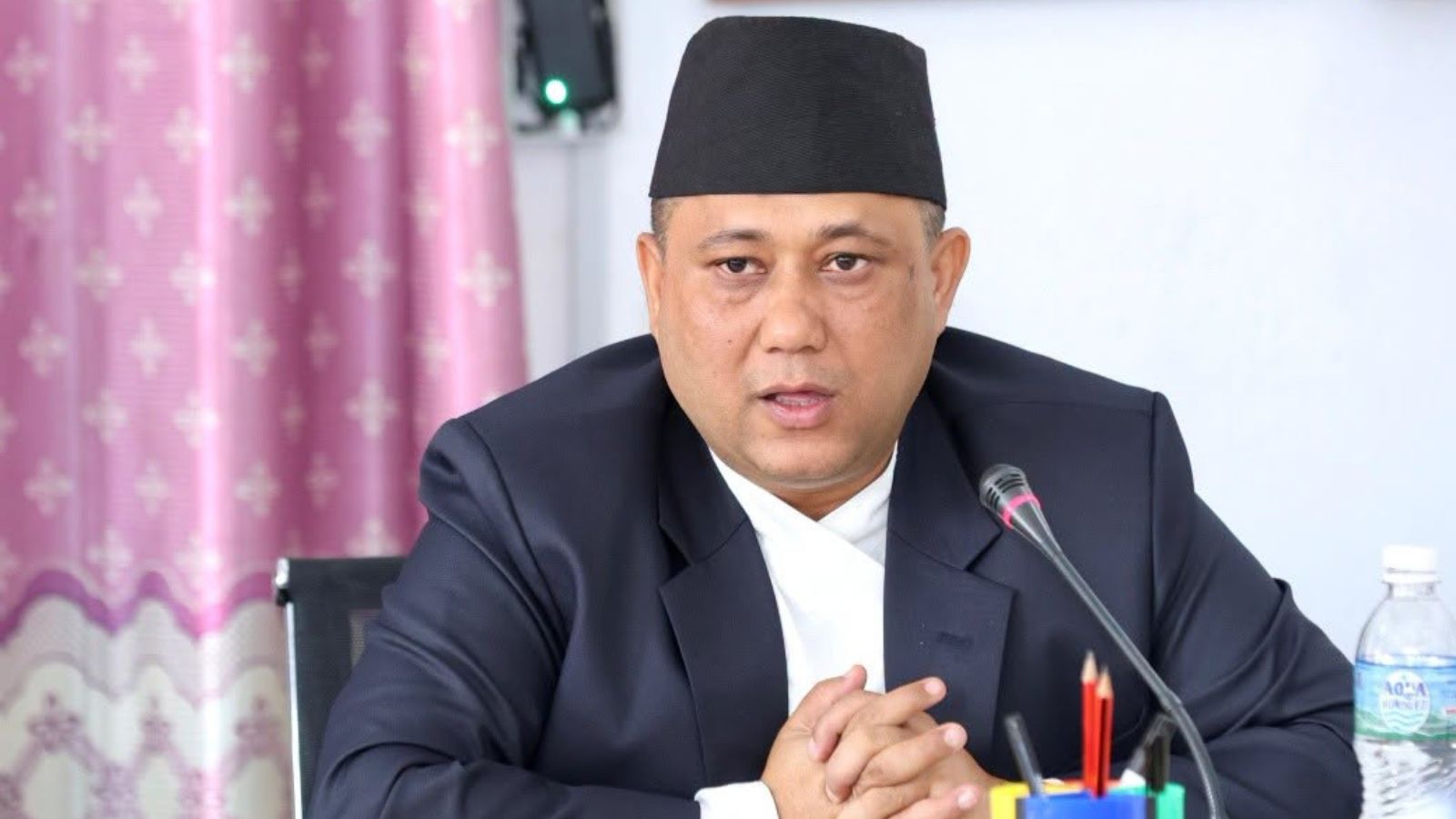
Politicians argue over whether this is the right time to launch official inquiries into structural vulnerabilities or early-warning failures. Lawmakers like Rahabar Ansari point out that accountability debates must wait while survival remains the primary objective.
Fresh flood alerts have already been issued for eastern, central, and western districts. Rivers continue to swell under persistent monsoon pressures. If you want to support relief efforts, track verified international aid organizations actively distributing water purification kits and emergency medical supplies on the ground before the next weather system hits.