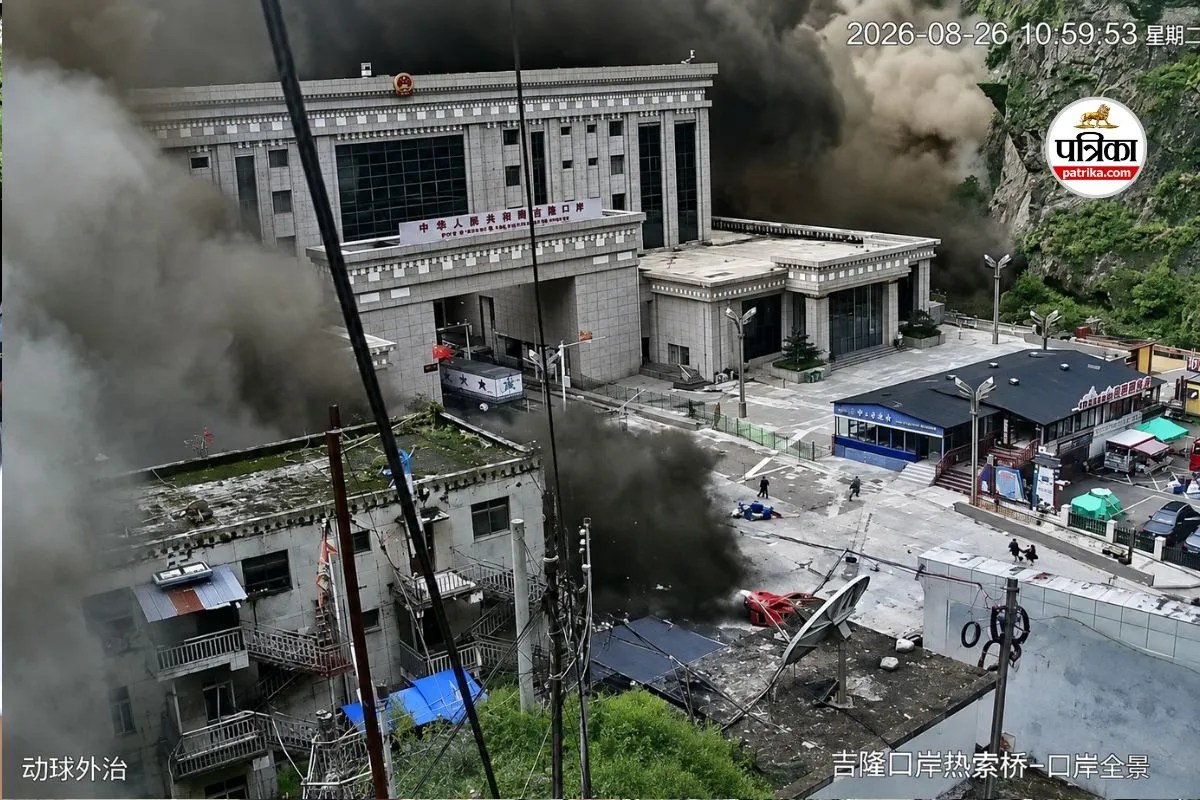
A catastrophic wall of water tore down the Bhote Koshi River, wiping out entire settlements in hours and leaving security forces scrambling. When a glacier or ice rock collapse triggered a massive debris-laden torrent in the Lhende Khola near the Tibet border, it didn't just cause localized damage—it sparked an international disaster response.
The National Disaster Risk Reduction and Management Authority (NDRRMA) and local authorities are facing an immense crisis. With the death toll climbing past traditional figures and hundreds of foreign nationals unaccounted for, the true scale of the devastation is only now coming to light.
What Actually Happened on the Ground
The disaster began roughly twenty kilometers northeast of the Rasuwagadhi border point. A sudden ice and rock collapse unleashed a wall of sludge and water that crashed across the border from Tibet, tearing through Rasuwagadhi, Timure, and Syaphru Besi before surging into the Trishuli River basin.
Infrastructure crumbled instantly. The flood destroyed dozens of motorable and suspension bridges while obliterating miles of vital roadways. Entire towns vanished under layers of mud and debris. Rescue choppers have pulled survivors from isolated pockets like Timure, but ground teams are fighting brutal terrain where communication lines are completely dead.
The Missing Foreigners and the Kailash Mansarovar Connection
One of the most alarming aspects of this crisis is the staggering number of international tourists and pilgrims caught in the path of the flood. Tourism board data shows that hundreds of foreign nationals from nearly thirty countries remain missing.
Many of those unaccounted for were travelling along routes connected to the sacred Kailash Mansarovar Yatra. Among the missing are 178 Indian nationals, alongside travelers from Ukraine, Australia, Canada, the United States, and several European nations.
Local authorities emphasize that being "missing" doesn't automatically mean lost; many are simply trapped in cut-off mountain zones where roads and mobile networks are down. However, verifying everyone's safety is testing Nepal's emergency infrastructure to its absolute limit. Security personnel—including dozens of army, police, and armed police force members stationed in Rasuwa—are also among those out of contact.
The Response and Regional Solidarity
Rescue operations have scaled up aggressively. The government deployed military and private sector helicopters alongside ground troops who worked through the night. Medical teams have flooded district hospitals and Kathmandu institutions to treat the injured, while emergency relief supplies are being rushed to temporary shelters.
International neighbors moved fast. India dispatched heavy humanitarian aid packages and medical supplies via military transport aircraft, while high-level diplomatic coordination ensured immediate regional backing.
Why This Disaster Matters for the Future
This isn't just an isolated weather event. Himalayan ecosystems are experiencing some of the fastest temperature increases on the planet. As glaciers melt and destabilize, sudden outburst floods will become more frequent.
Government officials have pointed out that this crisis threatens freshwater security and regional stability for billions of people. Neighboring countries sharing the Himalayan ecosystem must establish better early-warning communication channels, especially regarding trans-boundary river surges originating across the border.
If you are planning travel to Nepal, major hubs like Kathmandu, Pokhara, Chitwan, and the Annapurna circuits remain unaffected and open. Tourism plays a critical role in helping local communities recover, meaning the best way to support the region long-term is to keep visiting the areas that are safe and welcoming.