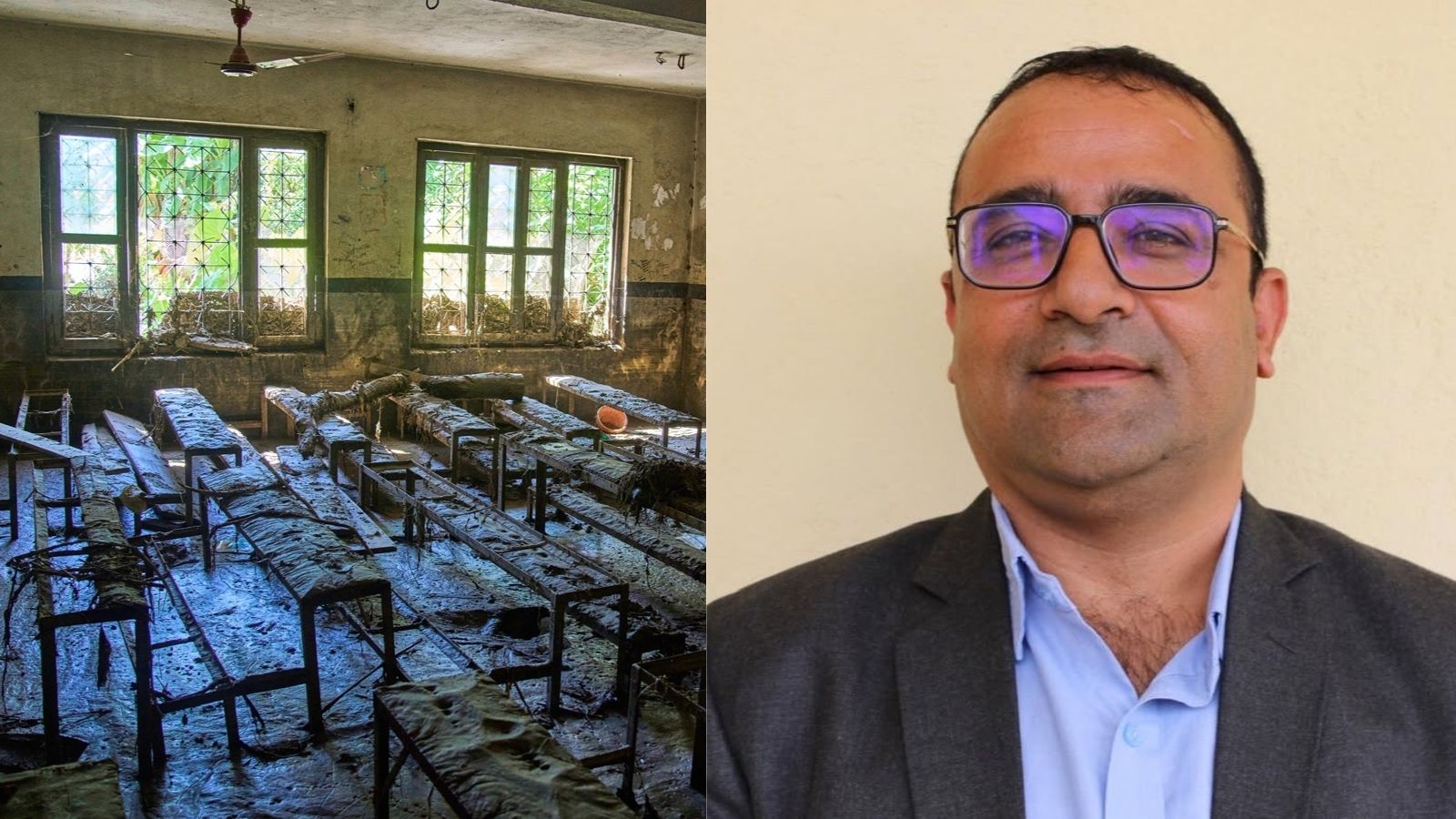
When catastrophic flash floods and mudslides rip through a mountainous region, the physical destruction is only the beginning of the nightmare. In south-central Nepal's Chitwan district, the true horror of the disaster became visible in crowded morgues and hastily dug trenches. Authorities faced an impossible crisis. Hundreds of bodies washed hundreds of kilometers downstream from the epicenter along the Bhotekoshi River, overwhelming local medical infrastructure completely.
Faced with sweltering heat, high humidity, and decomposing remains, local officials made the grim decision to bury unidentified flood victims in temporary graves at Devghat in Bharatpur Metropolitan City. It is a choice that sparked intense grief, public outcry, and deep cultural pain. But when morgues holding a maximum capacity of thirty to fifty bodies suddenly receive hundreds of recovered victims, standard protocols break down entirely.
The Anatomy of a Morgue Collapse
Disaster management plans rarely account for a catastrophe of this magnitude. Hospitals in Chitwan and neighboring districts quickly ran out of space. Bodies kept arriving from districts like Nuwakot, Dhading, and Tanahun, pushed downstream by relentless currents.
Storage limitations created an immediate public health emergency. Health experts warned that leaving decomposing bodies exposed or improperly stored would trigger severe disease outbreaks. Converting empty government buildings, setting up temporary holding centers with dry ice, and transferring remains to Pokhara helped temporarily, but the sheer volume of the dead outpaced every effort.
The Chitwan District Security Committee invoked emergency provisions under the Unidentified and Unclaimed Bodies Management Directive to authorize temporary burials. Heavy machinery carved wide trenches into the red earth while police coordinators worked against the clock.
Cultural Clash and the Right to Dignity
For many Nepalis, burying a body cuts against the core of religious tradition. Nepal is a predominantly Hindu nation where final rites dictate that the dead must be cremated on riverbanks surrounded by immediate family.
Families searching for missing relatives voiced fierce opposition to the swift burials. Critics, including former prime minister Baburam Bhattarai, argued that authorities moved too quickly without consulting grieving families or exhausting every alternative for cold storage. When you cannot find your loved one, the thought of them being placed in an unmarked or temporary trench feels like a secondary tragedy.
Yet, officials defended the action as a necessary evil. Police inspector Anil Thapa and foreign secretary Amrit Bahadur Rai emphasized that these are temporary management measures, not permanent disposals. International guidelines from organizations like the International Committee of the Red Cross allow for emergency burials when identification is impossible and health risks loom large.
How Authorities Plan to Fix the Unidentified Crisis
Burial does not mean forgetting. To ensure families can reclaim their relatives later, forensic teams implemented strict tracking protocols before any body entered a trench.
- DNA Collection: Genetic samples are systematically gathered and sent for testing.
- Detailed Documentation: Each body receives a unique reference number linked to photographs, physical descriptions, clothing, and recovered jewelry.
- Digital Databases: Nepal Police launched online systems and QR codes allowing people to check records and view physical descriptions remotely.
If you are searching for someone, these logs remain accessible through official police channels and designated medical hubs like the Teaching Hospital in Maharajgunj. Once a match is confirmed through DNA profiling or records, families have the legal right to exhume the remains and perform proper traditional funeral rites.
The system is imperfect, agonizing, and painful for a nation in mourning. But it balances the stark realities of climate disasters with a framework to give people their names back.