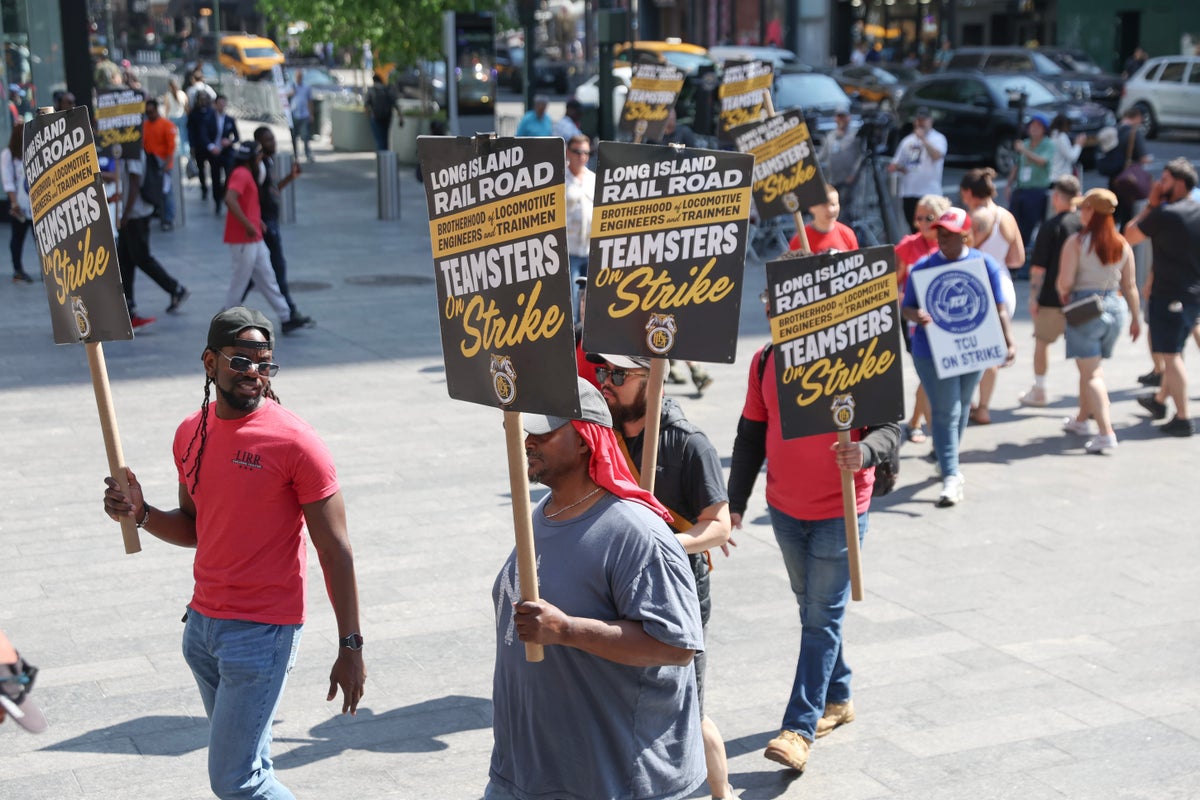
The national rail strike just turned your Monday morning into a complete disaster. It's the largest rail system shutdown we have seen in decades, and the first workday of the disruption proved that our backup transit plans are completely broken. Thousands of commuters found themselves stranded on crowded platforms, watching gridlocked traffic crawl down highways, or refreshing rideshare apps only to see prices triple in real time.
You don't need another news report telling you that traffic is bad. You know that because you are stuck in it. What you actually need is a strategy to survive this mess while the unions and management point fingers at each other.
Let's look at why this shutdown crippled the city so fast, what the data tells us about how long this will actually last, and exactly how you can navigate the chaos without losing your mind or your job.
Why the National Rail Strike Left Millions Stranded
When the nation's largest rail network grinds to a halt, the economic shockwaves hit instantly. This isn't just about trains sitting idle in the yards. It's about a fragile transit ecosystem that operates at near-maximum capacity on a regular day.
According to data from the Department for Transport and regional transit authorities, a major rail shutdown forces up to seventy percent of daily train commuters to seek alternative transportation. Our roads and secondary transit networks simply cannot absorb that volume.
The immediate result? A cascading failure of the entire transport infrastructure.
- Buses packed past legal capacity within minutes of the morning rush.
- Key highway bottlenecks experiencing delays of over ninety minutes compared to typical Monday averages.
- Rideshare surge pricing hitting historic highs, making a standard twenty-dollar commute cost upwards of eighty dollars.
Many commuters assumed they could just hop in their cars and take the highway. That was a mistake. When you dump hundreds of thousands of extra vehicles onto roads that are already congested, traffic doesn't just slow down. It stops.
The Real Breakdown Behind the Transit Gridlock
This strike didn't happen in a vacuum. It is the result of months of failed negotiations over wages, working conditions, and job security in an inflationary environment. While the union representatives argue that workers are being squeezed by rising living costs, rail operators claim that the proposed wage increases are unsustainable without major structural reforms.
While both sides release polished press statements, the public takes the hit.
The biggest issue right now is the lack of coordination among regional transit providers. City buses, subway systems, and ferry services run on completely different schedules and ticketing systems. They don't talk to each other. When the main rail arteries cut out, these peripheral systems can't scale up operations overnight. They lack the spare vehicles and the staff to handle the sudden influx of desperate passengers.
How to Get to Work When the Trains Aren't Running
Hoping the strike ends by tomorrow won't get you to your desk. You need an aggressive, tactical approach to your daily commute until this dispute gets resolved. Here is how you actually beat the gridlock.
Stagger Your Commute Times Radically
The standard morning rush hour between seven and nine in the morning is currently a trap. If your employer allows any flexibility, you need to exploit it.
Moving your commute just ninety minutes earlier or two hours later makes a massive difference. Leaving the house at five-thirty in the morning sounds brutal, but it beats sitting in stationary highway traffic for two hours. Talk to your manager today about adjusting your core hours temporarily. Most companies are highly accommodating when a national strike is dominating the front pages.
Map Out Multi Modal Routes
Stop looking for a direct one-to-one replacement for your train journey. It doesn't exist right now. Instead, you need to piece together a multi-modal route.
Look for local express buses that connect to subway lines further outside the city center. Consider driving part of the way, parking in a suburban lot outside the main congestion zone, and using a bike-share or electric scooter for the final three to five miles. It requires more effort, but it keeps you moving while others are trapped in gridlock.
Coordinate Neighborhood Carpools
Rideshare apps are going to bleed your wallet dry this week. Don't rely on them solo.
Use internal company message boards, neighborhood chat groups, or local forums to set up structured carpools. Four people splitting a high-occupancy vehicle lane commute is infinitely better than four separate people clogging up the regular lanes. It reduces the number of cars on the road and keeps your commuting expenses manageable.
What This Disruptive Week Means for Remote Work Policies
If there is any silver lining to this transportation nightmare, it is the immediate pressure it puts on corporate remote work mandates. Over the past year, many companies have pushed hard for a strict return to the office. This strike proves exactly why those rigid policies fail during an infrastructure crisis.
If your job can be done from a laptop, staying home isn't just a convenience. It's a civic duty during a transit strike. By working from your kitchen table, you take one more body off the crowded buses and one more car off the choked highways. This leaves the limited alternative transport capacity for essential workers, emergency services, and individuals who physically must be present at their jobs.
When you ask your supervisor for remote work permission during the strike, don't frame it as a personal favor. Frame it as a productivity calculation. Explain that two hours spent fighting gridlock is two hours of lost energy and output. You will get more done at your desk at home than you will staring at the brake lights of a bus.
Your Immediate Next Steps
Don't wait until tomorrow morning to figure out your plan. Check the latest transit authority alerts right now to see which skeleton services, if any, are operating in your area. Fill up your car's gas tank tonight so you aren't waiting in long lines at the pump tomorrow morning. Download alternative transit apps and set up your accounts ahead of time so you aren't fumbling with payment screens on a crowded platform. Talk to your team, adjust your schedule, and prepare for a chaotic week ahead.