The sea smells of salt and heavy sulfur here, a thick, greasy air that clings to the skin long after the sun dips below the scorched horizon.
Picture Tariq. He is fifty-four years old, with salt-cracked skin around his eyes and calloused palms that know every square inch of a supertanker’s steering bridge. Right now, Tariq is staring at a radar screen that looks like a calm night sky, except for the tiny, crawling beads of light that represent millions of tons of steel, crude oil, and liquefied natural gas. He isn't sleeping. Nobody on this crew is sleeping. Outside the reinforced glass, the Strait of Hormuz is a narrow bottleneck of dark water, barely twenty-one miles wide at its slimmest point.
To the north lies Iran, its jagged coastline fading into a purple haze of dust and tension. To the south sits Oman and the United Arab Emirates. In between is a choke point so vital to human civilization that if you were to draw a single artery keeping the global economy alive, this would be it. Roughly a fifth of the petroleum consumed across the globe squeezes through this exact marine corridor every single day.
Right now, that artery is constricting.
Traffic has slowed to a nervous crawl. Tankers are lingering in open waters, masters ordering their crews to drift in lazy circles rather than push into the danger zone. Captains are whispering over marine radio channels, sharing fragments of intelligence and raw anxiety.
Why? Because the threats have returned. Following recent United States military strikes in the region, the warnings echoing from Tehran have sharpened into a dark promise of retaliation. In this volatile theater, retaliation does not arrive as a formal declaration of war. It arrives as shadows. It arrives as electronic jamming that blinds navigation systems. It arrives as small, fast attack craft cutting across the bows of commercial giants, or mines sown quietly in the dead of night beneath the shipping lanes.
Tariq has seen this movie before. He knows the script by heart.
(Note: While Tariq is a hypothetical composite character representing the thousands of merchant mariners currently navigating these waters, the operational paralysis, the radio silence, and the strategic weight of the Strait are entirely real.)
Consider the mechanics of global vulnerability. We live in an era that pretends to be borderless, digital, and ethereal. We talk about the cloud, about remote work, about financial markets trading at the speed of light. Yet, beneath all that high-altitude abstraction sits a brutally physical reality. Steel floats. Oil burns. And civilization remains stubbornly dependent on things that have to be stuffed into the belly of a massive ship and hauled across dangerous water.
When the Strait of Hormuz stutters, the shockwaves do not stay confined to the Middle East. They travel instantly. They land in a gas station in Ohio, where the cost of regular unleaded ticks upward by twenty cents overnight. They land in a manufacturing plant in Germany, where the price of raw energy makes production margins vanish. They land in the quiet calculations of central banks trying to fend off inflation while energy supplies hang by a fraying thread.
The irony is staggering. The ships moving through this corridor are floating cities of commerce, yet they are rendered utterly helpless by geopolitics. They carry no weapons. They fly flags of convenience—from Panama, from Liberia, from the Marshall Islands—symbols of globalized neutrality that offer zero protection when regional fury boils over.
For days, the radio waves have been unusually cluttered yet eerily quiet. Naval escorts from various international coalitions are patrolling the edges, cutting through the swells with their gray hulls and silent weaponry, trying to project a sense of deterrence. But deterrence is a fragile psychological construct. It holds until the exact moment it shatters.
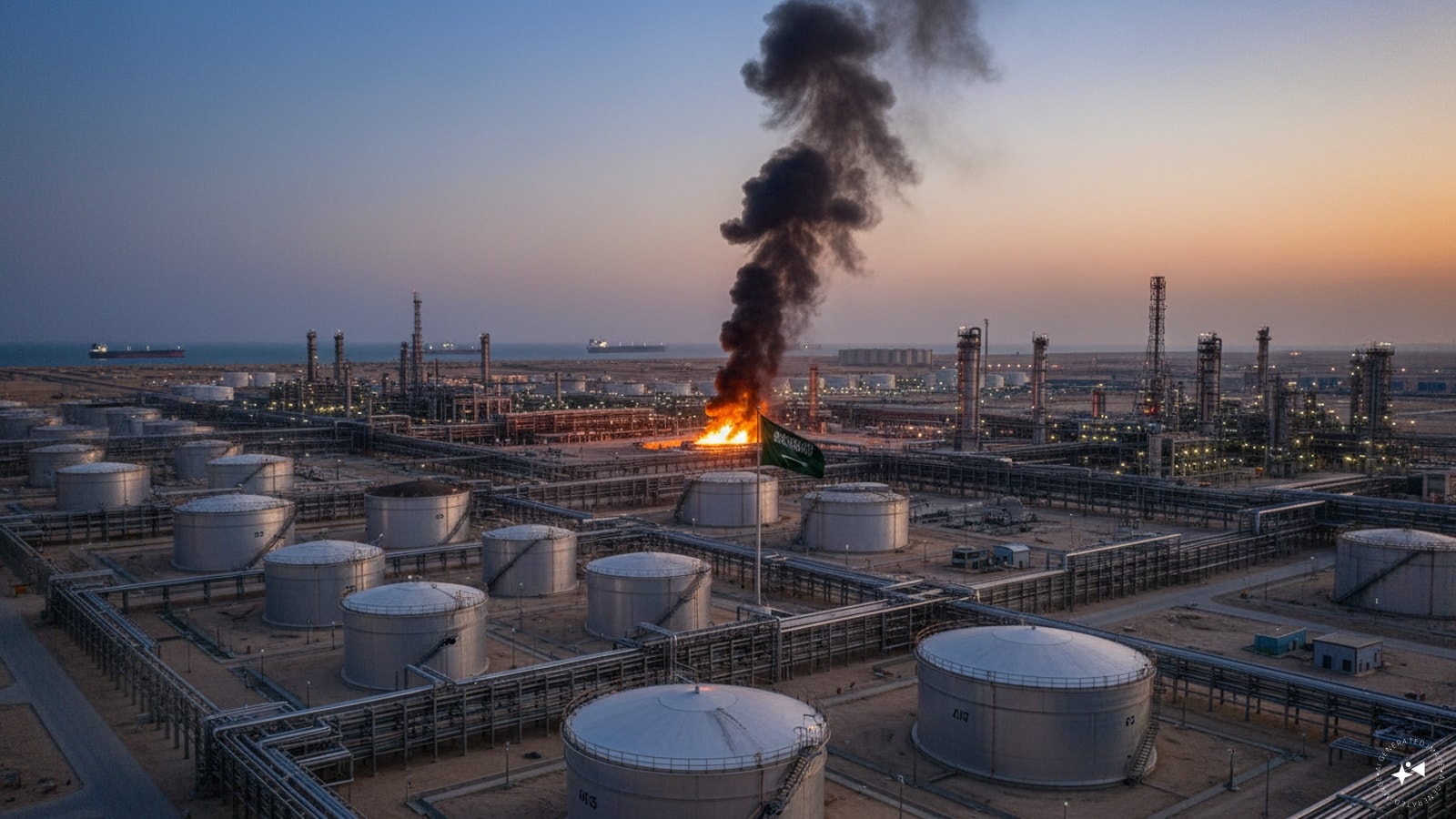
Tariq steps away from the radar, walking out onto the bridge wing. The wind hits him, hot and abrasive. He looks down at the deck below, where massive pipes and valves secure the volatile cargo sleeping beneath his feet. Millions of barrels of crude. One spark, one miscalculated intercept, one desperate political misstep, and the local friction becomes a global wildfire.
The world outside these maritime lanes rarely thinks about Tariq. Consumers buy their groceries, drive their cars, and switch on their lights without ever visualizing the intricate, fragile web of logistics that makes modern life possible. We are remarkably good at ignoring the invisible infrastructure that supports us, right up until the moment it breaks.
Right now, the tension in the Strait of Hormuz is not just a headline about military posturing or diplomatic failure. It is a human standoff. It is measured in the blood pressure of men standing watch on dark bridges, in the delayed schedules of cargo destined for ports thousands of miles away, and in the collective, anxious holding of breath by an interconnected planet that refuses to admit how fragile its foundations truly are.
Out on the water, the tiny beads of light on the radar screen hesitate. They pause in the dark, waiting for a signal that may not come, turning in circles of uncertainty where the map narrows to a knife edge.