The feel-good sports story is a parasitic trap.
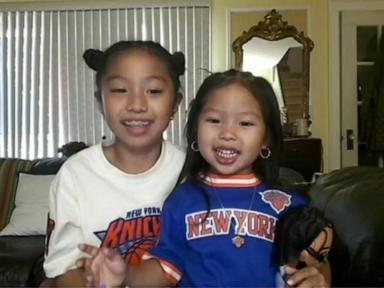
Right on cue, the media machine is churning out heartwarming footage of New York Knicks superfans throwing a mock ticker-tape parade for children. The cameras capture the smiling faces, the showers of shredded paper, and the intoxicating, generational hope of the Madison Square Garden faithful. The narrative is neat, tidy, and utterly hollow: Look at these beautiful families passing down a proud, historic tradition to the next generation of New York sports fans.
Let’s stop lying to ourselves. That parade isn’t a celebration. It’s an initiation into an intergenerational cult of manufactured mediocrity.
By filming these kids and treating a second-round playoff exit or a regular-season surge like the 1998 Yankees, the media is validating a toxic ecosystem. They are celebrating the financial exploitation of a fan base that has been conditioned to accept crumbs and call it a feast.
I have spent nearly two decades analyzing sports business models, franchise valuations, and the psychological architecture of fandom. I have watched ownership groups pocket billions while delivering a product that would bankrupt any business operating in a truly competitive free market. Passing down Knicks fandom in 2026 isn't a badge of honor. It is a failure of consumer judgment.
The Economics of Contentment
To understand why the "heartwarming child parade" narrative is flawed, you have to look at the cold math of the NBA's luxury tax and revenue-sharing systems.
Madison Square Garden is an economic anomaly. Because of its geographic location, historic branding, and corporate ticket-base insulation, the Knicks do not need to win championships to generate historic revenues. According to Forbes' annual NBA valuation reports, the Knicks consistently rank at the absolute top of the league's valuation ladder, routinely clearing billions in enterprise value regardless of their placement in the standings.
When a small-market team fails, its revenue plummets. When the Knicks fail, Wall Street still buys out the executive suites.
This creates a misaligned incentive structure. The front office isn't under the same existential pressure to build a dynasty as a team in Milwaukee or Oklahoma City. They just need to be relevant enough to justify the highest average ticket prices in the league.
Knicks Revenue Engine = (Corporate Suite Insulation + Historic Branding) - Championship Necessity
When fans celebrate "culture wins" and host parades for minor milestones, they actively lower the bar for ownership. They signal that they are willing to pay a premium price for an inferior product, so long as the branding feels gritty and authentic. You are paying caviar prices for a chopped cheese and thanking the chef for the privilege.
Dismantling the "People Also Ask" Delusions
The mainstream sports consensus is built on a series of flawed premises. Let's address the most common justifications for this performative fandom and dismantle them one by one.
Is passing down team loyalty to your children healthy?
The conventional wisdom says yes. Sports loyalty is supposed to teach resilience, community, and shared identity.
The brutal reality? It teaches blind compliance to a corporate entity that does not care about you. When you force a child to inherit allegiance to a specific sports franchise, you are limiting their agency as a consumer. You are conditioning them to tie their emotional well-being to the decisions of a billionaire owner who views them as a line-item on a quarterly earnings report.
If a tech company or a restaurant chain treated its customer base with the competitive indifference the Knicks displayed for the first two decades of this century, consumers would migrate. In sports, migration is labeled "bandwagoning" and treated as a moral failing. That is a brilliant marketing trick designed to lock in recurring revenue without requiring product optimization.
Don't the Knicks have the most passionate fan base in the world?
Passion is often confused with desperation.
The narrative celebrates New York fans because they show up loud and proud during brief flashes of competence. But true accountability requires withholding your dollars and your attention when the product is sub-par. By packing the arena during the dark years and throwing parades for minor playoff runs, the fan base proved to management that excellence is optional. The passion isn't a weapon; it's a safety net for the executives.
The Illusion of the Gritty Underdog
The current iteration of the team has captured the public imagination because they play a hard-nosed, high-minutes style of basketball. It feels blue-collar. It feels like New York.
This is an aesthetic illusion.
The modern NBA is governed by the Collective Bargaining Agreement's strict salary apron rules. Winning a title requires maximizing hyper-efficient contracts and hitting on elite, top-tier talent. Running a roster into the ground with historic workloads might win games in November, but it creates a structural ceiling come May.
We see media outlets praising the "grit" of the fan base while ignoring the tactical reality: the current roster construction lacks the top-five superstar gravity required to hoist a trophy in the modern era. Citing the grit of the 1990s Knicks is a nostalgic trap. The game has changed, the salary rules have changed, and grit without elite, uncompromised depth is just a recipe for premature exhaustion.
Imagine a company where employees work 80-hour weeks using outdated software. You wouldn't praise the company's "gritty culture." You would criticize the management for failing to optimize their resources. Yet, when it happens on a basketball court, we make the children march in the streets to celebrate the hustle.
How to Break the Cycle
If you actually want to see a championship trophy parade down the real Canyon of Heroes, you have to change how you engage with the franchise. The current model of unconditional adoration is broken.
- Starve the Merch Machine: Stop buying the jerseys of players who haven't proven they can win at the highest level. Force the brand to earn its retail dominance.
- Normalize Fandom Agency: Let your kids watch the entire league. If they want to root for a team in the Pacific Northwest because they like the ball movement, let them. Break the geographic hostage crisis.
- Demand Elite Outcomes: Stop celebrating second-round exits. Stop throwing ticker-tape parades for children unless there is actual silverware being brought back to Manhattan.
The media wants you to look at those kids covered in confetti and feel a warm sense of nostalgia. They want you to think about your parents taking you to the arena. They want to weaponize your memories to ensure the next generation keeps buying the tickets, paying for the cable packages, and accepting the hype.
Stop buying the lie. The kids in that video aren't celebrating a basketball team. They are being trained to accept the illusion of success in place of the real thing. Turn off the cameras, sweep up the paper, and demand a standard that actually matches the price of admission.