Ash does not fall like snow. Snow drifts, dances, yields to the warmth of a glove. Volcanic ash is heavier, sharper, born from the violent grinding of the earth's belly. It arrives as a thief in the dark, turning midday into a sepia-toned nightmare, choking engines, and rewriting the plans of thousands of human beings who thought they were simply buying a ticket from one point on a map to another.
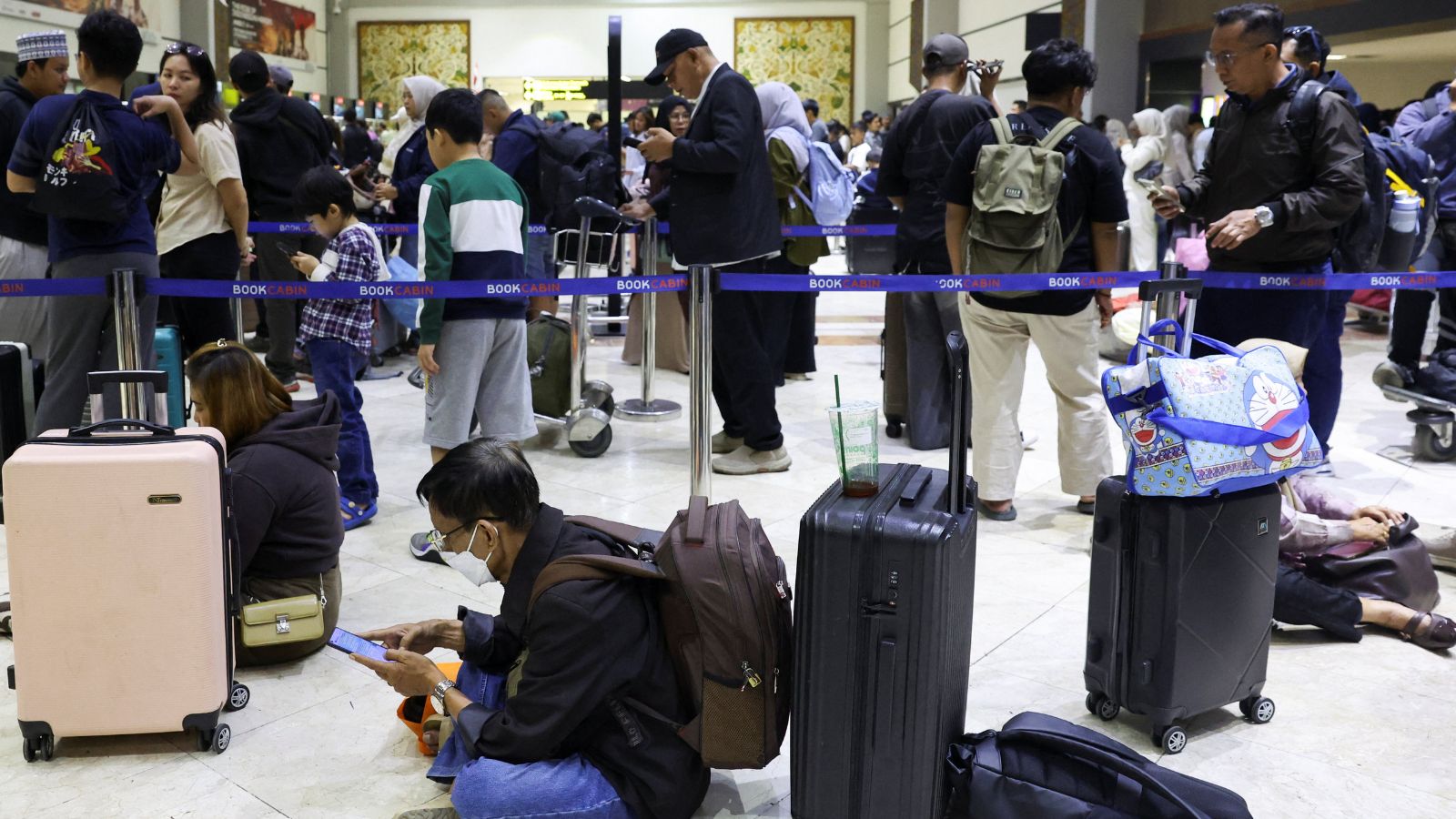
Consider Maya. This is a hypothetical scenario, though drawn from the exact coordinates of collective human panic playing out across the archipelago. Maya sat in the departure lounge of an international terminal in Bali, her phone glowing with the harsh blue light of a gate change notification. Across the tarmac, the tropical sky was bruised purple and choked with grey grit. She was supposed to be flying home for her sister’s wedding. Instead, she was staring at a departure board where every single line item was bleeding into a uniform, terrifying word: Cancelled. Recently making headlines in this space: Why Indonesia Volcano Eruptions Keep Catching Travelers Off Guard.
She was not alone.
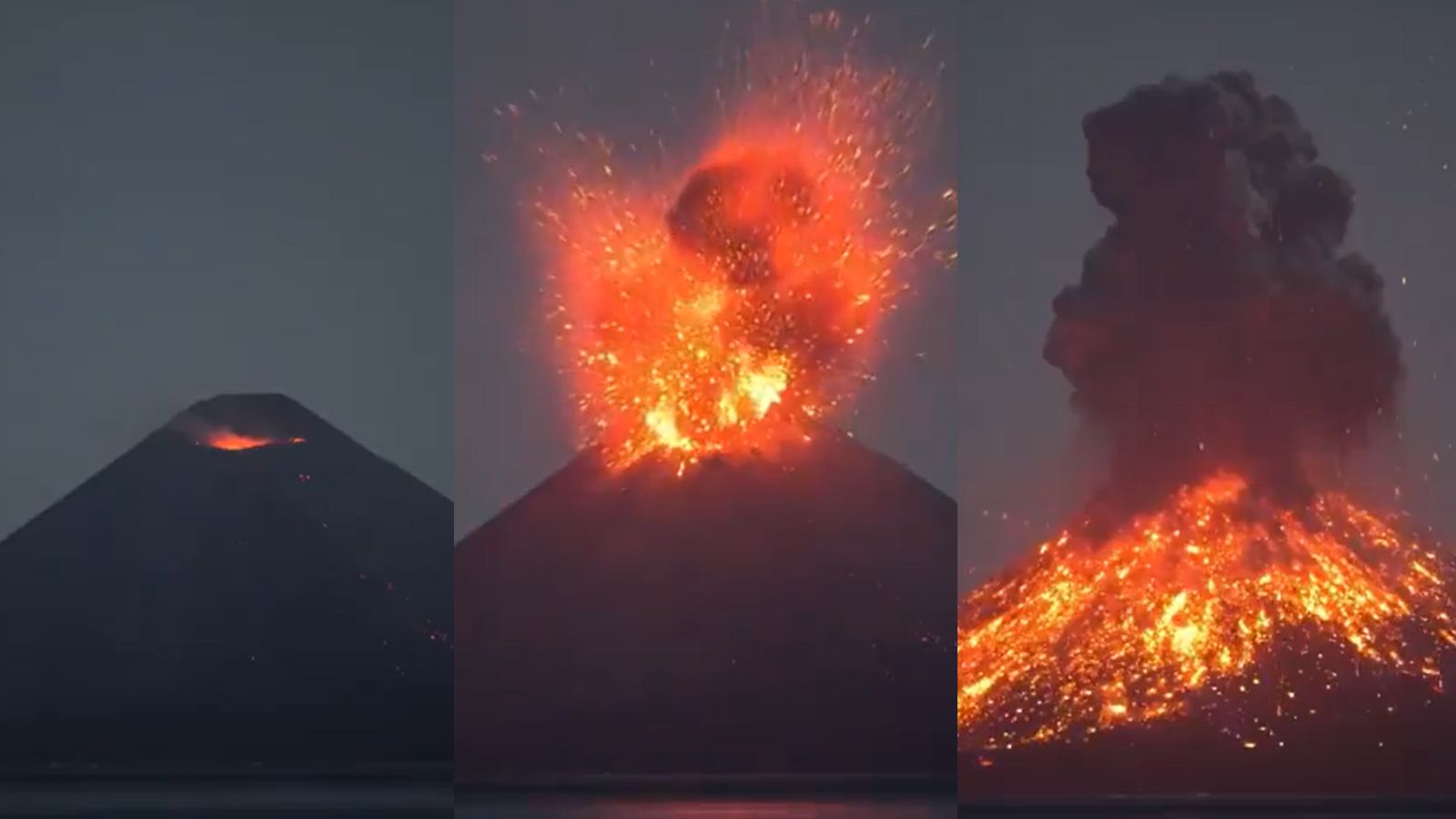
Across the region, the earth decided to reclaim its absolute authority. Mount Ruang had erupted, tearing open the sky above North Sulawesi and sending incandescent plumes miles into the stratosphere. Eight airports shut their doors almost simultaneously. The glass doors locked. The security checkpoints went cold. In an instant, modern logistics—that fragile, humming web of punctual arrivals, baggage carousels, and jet fuel—collapses into something primitive. Additional information regarding the matter are explored by Lonely Planet.
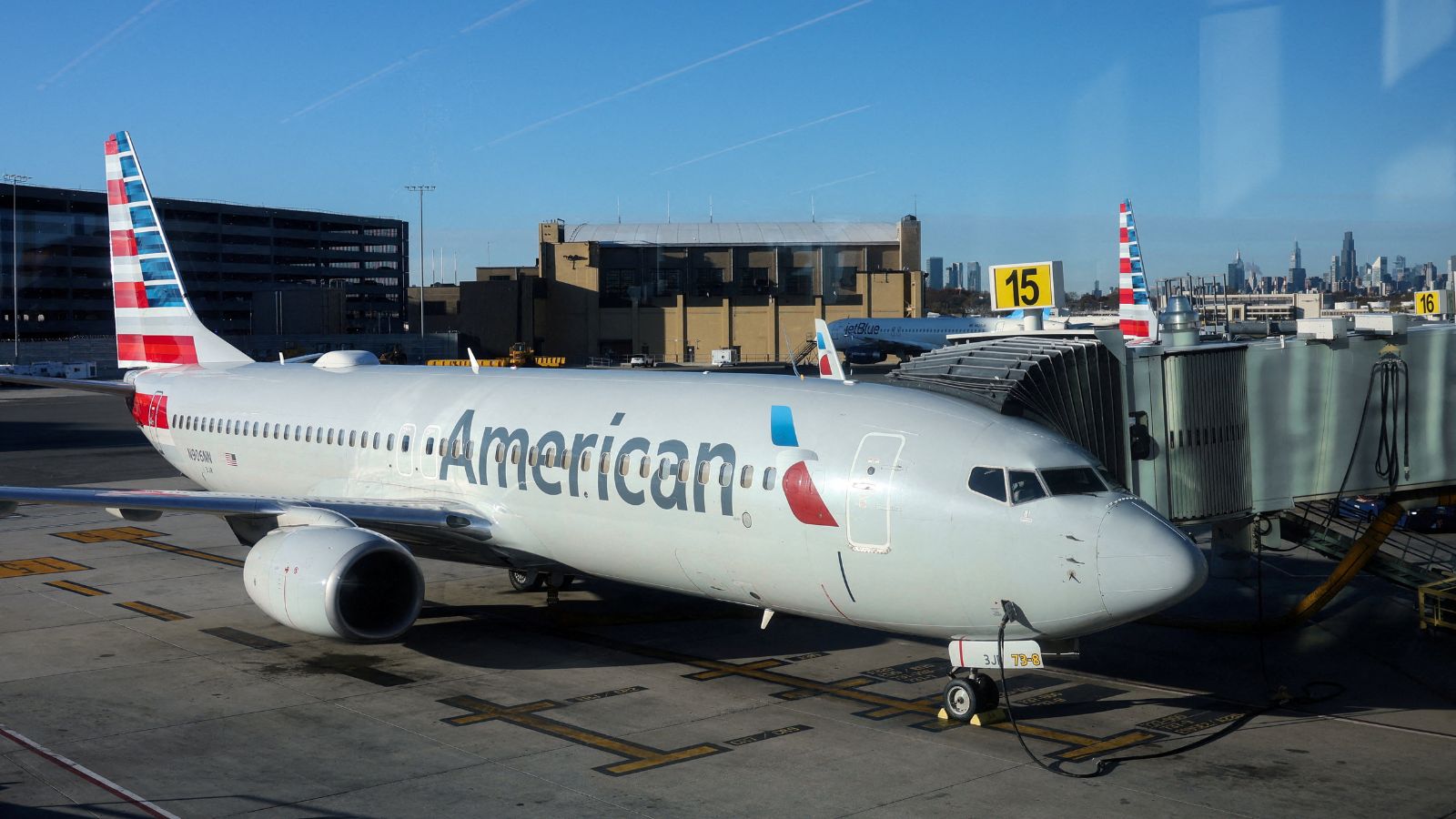
One thousand five hundred and fifty-eight flights. Grounded.
Think about that number for a moment. It is easy to look at statistics as flat, lifeless markers on a spreadsheet. But behind that figure lie one hundred and seventy thousand individual human stories. One hundred and seventy thousand people staring at luggage handles, wondering where they will sleep tonight, whether their travel insurance covers an act of geological fury, or how they will tell their boss that the Monday morning meeting is happening without them.
The air becomes a hazard. Jet engines are magnificent engineering marvels, but they have a fatal flaw: they are essentially giant vacuum cleaners inhaling thousands of cubic feet of air per minute. Feed a jet engine microscopic glass shards and pulverized rock, and you do not get combustion. You get a furnace. The silica melts inside the turbine blades, coats the internal components, and shuts the engine down completely.
The pilots know this. The air traffic controllers know this. The ground crews watching the thickening grit settle on the wings know this. And so, the only sane choice is paralysis.
Stop everything.
It is a humbling reminder of our actual place on this spinning rock. We build titanium tubes that cross oceans in hours, we map the stars, we schedule our lives down to the minute. Yet a single subterranean rupture can instantly reduce us to refugees in duty-free shops, drinking lukewarm coffee from cardboard cups, waiting for the wind to shift.
The human cost is measured in small, grinding frustrations and deep, sudden anxieties. Parents trying to calm toddlers on airport carpets. Elderly travelers running out of essential daily medications because their checked bags are locked in a cargo hold they cannot access. Honeymooners watching their paradise turn into a holding pen. Business executives pacing near charging stations, watching their laptops drain while their deals dissolve into thin air.
Yet, in the midst of this mechanical standstill, something else happens. People look at each other. The rigid social distance of modern transit breaks down. Strangers share power outlets. They share rumors translated from local news broadcasts. They trade snacks from convenience stores that are rapidly running out of sandwiches.
We forget that travel is not just about the destination. It is an act of trust. We place our physical bodies into the care of machines and corporations, trusting that the air is navigable, the earth is stable, and the mechanics will hold. When that trust is violently revoked by a mountain waking up from a centuries-long sleep, we are forced back onto the most basic human software: patience, endurance, and quiet solidarity.
The ash will eventually settle. The winds will clear the flight corridors. The sweepers will clear the runways of North Sulawesi and beyond, bucket by heavy bucket, until the first brave aircraft touches down and breaks the silence.
Until then, the terminals remain quiet, filled with the murmur of a hundred thousand voices waiting for the earth to stop coughing, watching the grey dust drift past the terminal glass, holding their breath alongside the rest of the world.