Rain in the high altitudes does not fall like it does in the valleys. It does not mist or drizzle. It hammers. It strikes the slate roofs and the prayer flags with a flat, heavy violence, turning the ancient dust of the plateau into a grease that refuses to hold its own weight.
Picture a shepherd sitting in a stone enclosure fifty miles outside Lhasa, watching the hillside across the gorge. (Note: This is a hypothetical scene built from the verified behavioral patterns of high-altitude evacuation zones, illustrating the suddenness of the threat.) For three days, the clouds have dropped so low they swallow the lower third of the peaks. The air smells of wet slate and crushed juniper. Then, a sound begins. It is not a crash. It is a long, tearing groan, like an iron bridge slowly bending until the bolts snap. For another perspective, consider: this related article.
The mountain does not wait for you to pack a bag.
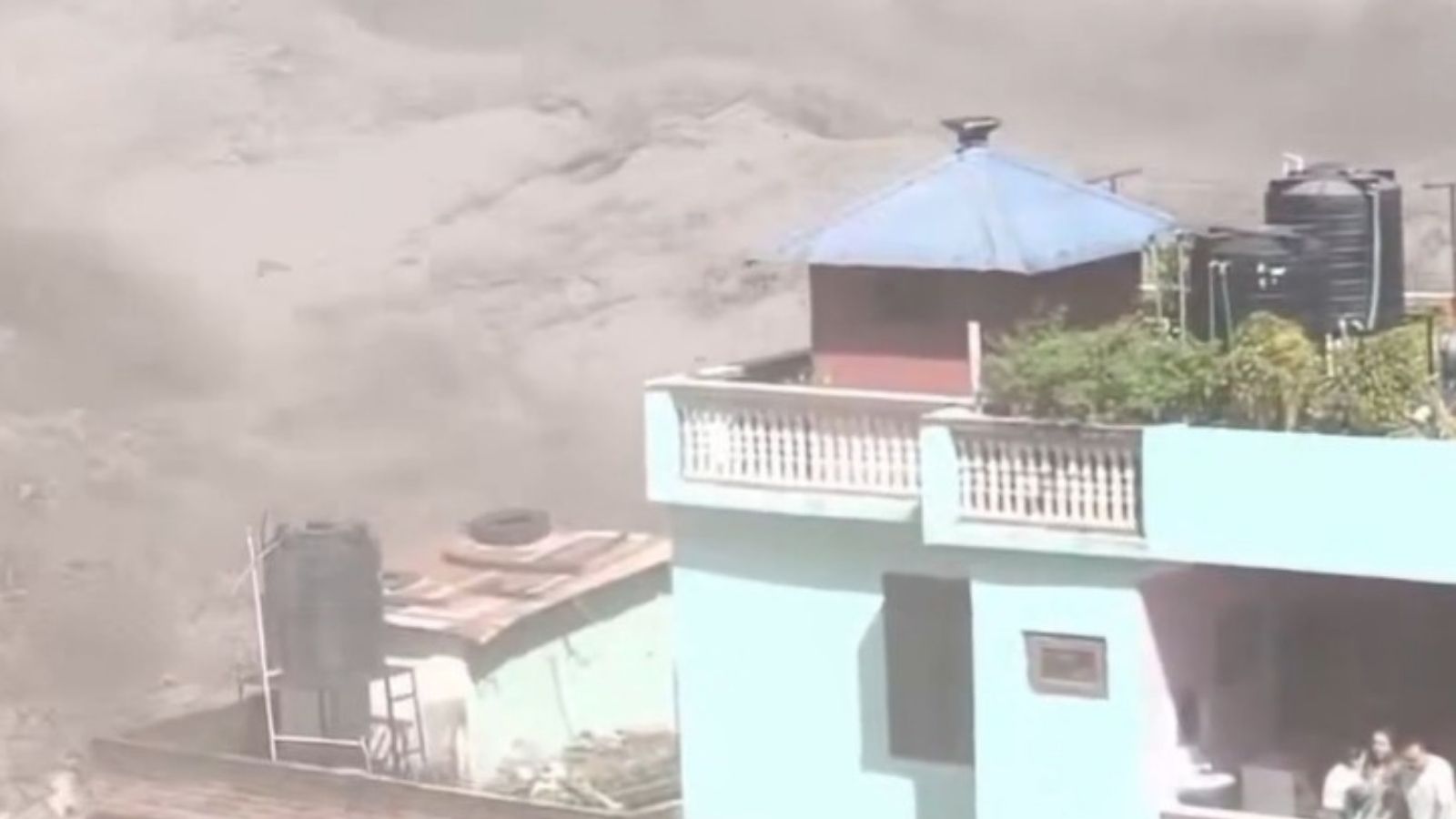
Across China's Xizang autonomous region, the geography is a masterpiece of vertical drama, but vertical drama is fragile. When the monsoon presses hard against the Himalayas and the eastern fringes of the plateau, gravity eventually wins an argument it has been having with the earth for centuries. Mudslides here are not mere inconveniences; they are slurry avalanches composed of saturated soil, boulders the size of delivery trucks, and uprooted pines that move with the speed of an express train. Related insight regarding this has been provided by Al Jazeera.
Consider what happens next: the silence that follows the roar.
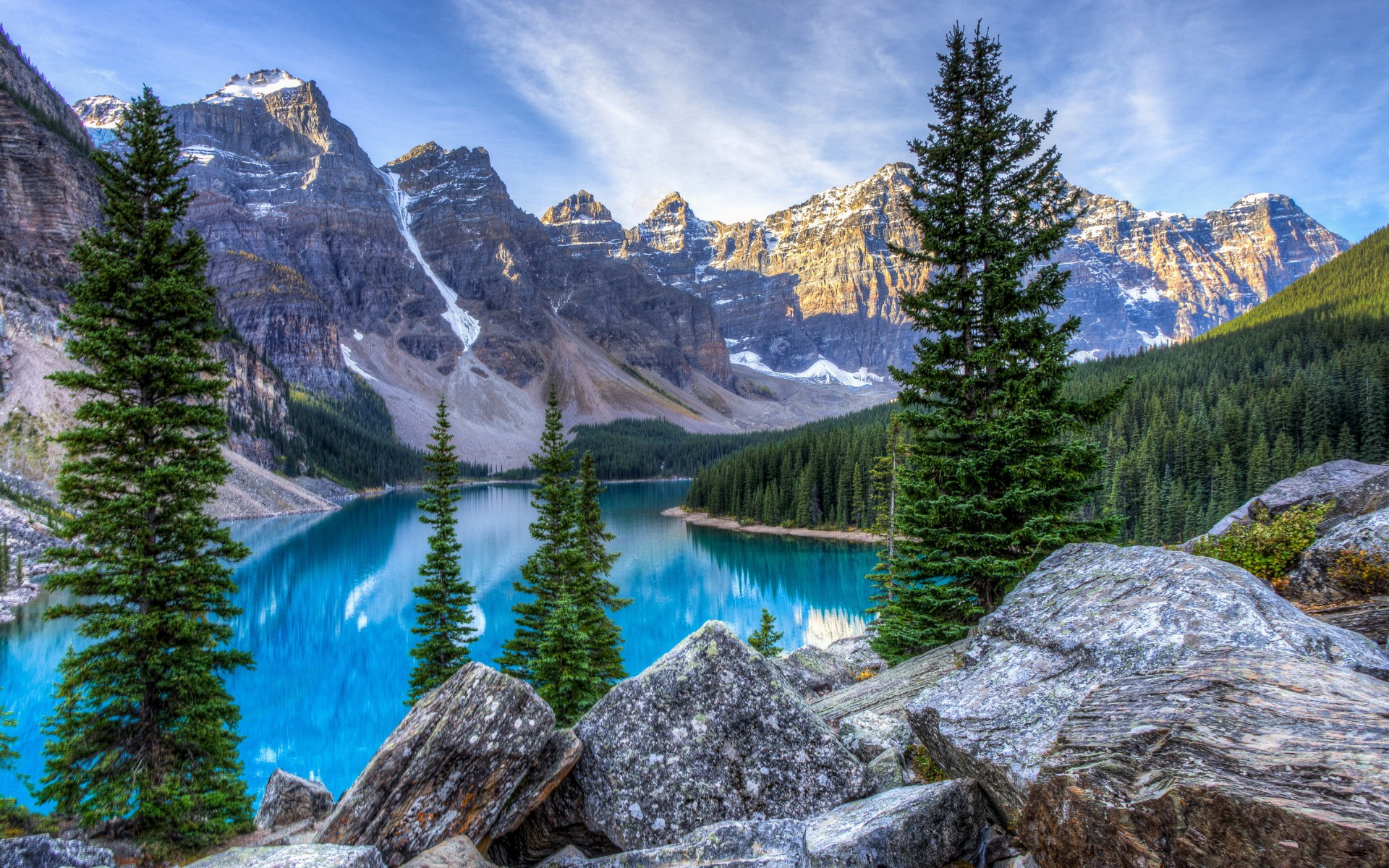
Recent emergency operations across Xizang have tested the limits of regional disaster response, culminating in the complete and rapid evacuation of all affected residents and tourists from active slide zones. Local authorities, operating under red-alert protocols, mobilized transport teams to clear narrow mountain passes before secondary collapses could seal the valleys. For the travelers caught in transit—those who came to witness the turquoise majesty of high-altitude lakes and the golden rooftops of ancient monasteries—the vacation ended abruptly in the back of a utility truck, clutching cameras and passports while the road behind them vanished into a gray soup of silt.
We talk about infrastructure as if it were immortal. We pour concrete into gorges, string high-voltage cables across passes, and carve asphalt ribbons through gorges that were carved by glaciers. But the earth remembers its fluid youth. When millions of tons of saturated debris slide down a slope, human engineering is reduced to a spectator sport.
Yet, there is a quiet heroism in the logistics of survival. Evacuating a remote region in Xizang is a masterclass in coordination against the clock. Communication lines snap. Bridges wash out like matchsticks. Local emergency management teams, often navigating hair-pin switchbacks in torrential downpours, rely on satellite relays and local scout networks to find stranded hikers and isolated farming families. Every rescued tourist, every displaced yak herder guided to a makeshift shelter in a school gymnasium, represents a small victory over an indifferent landscape.
(As an observer who has spent years tracking high-altitude weather anomalies, I can tell you that the hardest part isn't the physical rescue. It is the psychological shock. One minute you are drinking butter tea in a sunlit courtyard; the next, the world outside your window is sliding into the river.)
The statistics will tell you the headcount: hundreds moved to safety, zero immediate casualties reported thanks to early warning systems, roads closed indefinitely for geological assessment. But statistics do not capture the taste of wet wool inside a crowded evacuation hall, or the way a child clutches a damp stuffed animal while sleeping on a cot borrowed from a monastery.
The earth will dry eventually. The sun will break through the heavy gray ceiling over the plateau, turning the peaks back into crowns of white and gold. The repair crews will bring their heavy machinery, chewing through the dried mud to stitch the broken roads back together. Travelers will return, because places this wild and breathtaking exercise a gravity of their own.
Until then, the mountain rests, heavy and patient, waiting for the next cloud to burst.