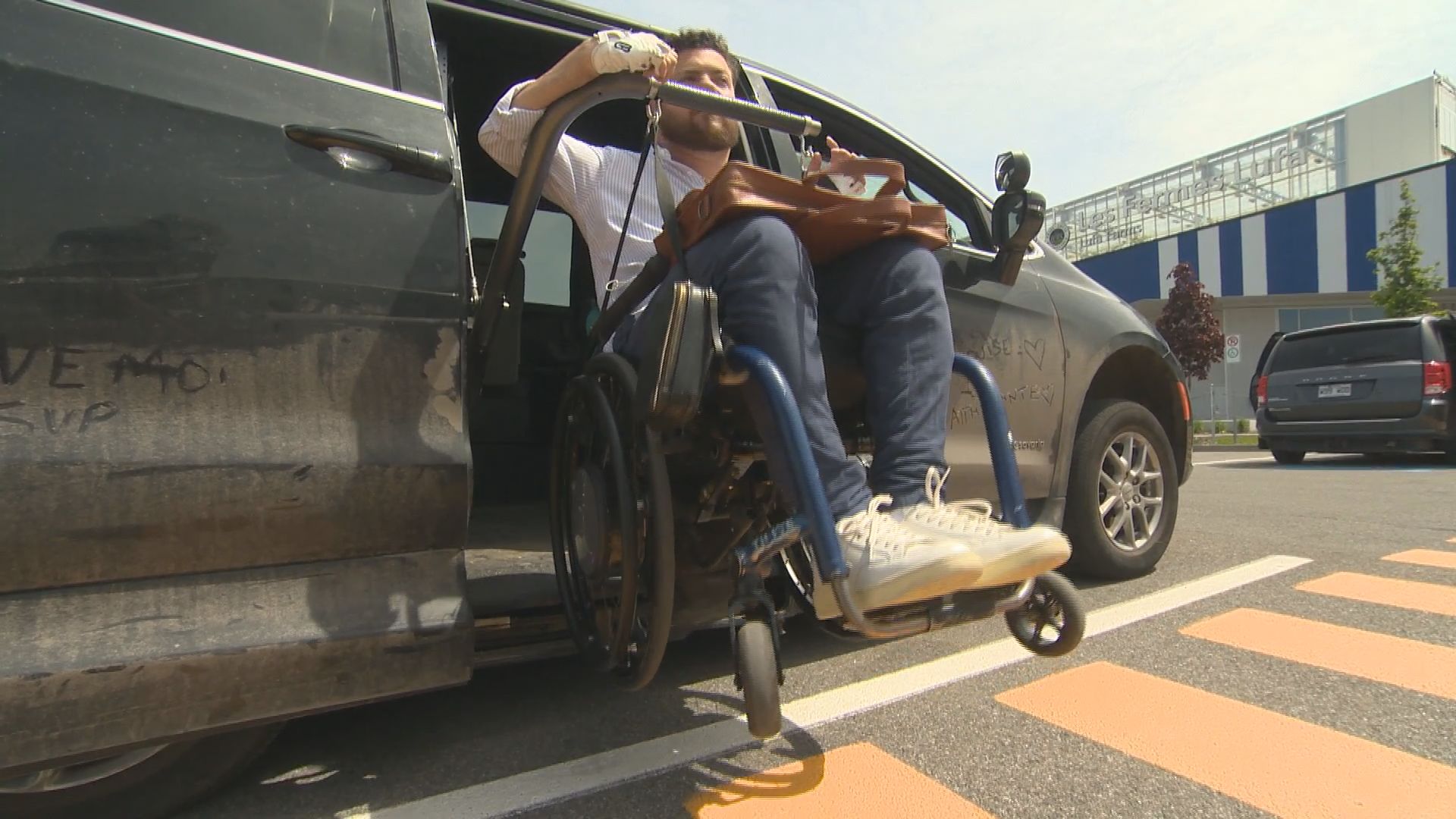
Try finding a parking spot in downtown Montreal on a snowy Tuesday. It's brutal. Now imagine you have a physical disability, your mobility depends on a wheelchair, and the only designated blue spot on the block is buried under a four-foot wall of frozen slush left by a city snowplow.
This isn't a hypothetical inconvenience. It's daily life for thousands of Montrealers.
While local advocacy groups, including the Independent Living Resource Centre and various mobility rights coalitions, ramp up campaigns to raise awareness about accessible parking, the reality on the ground remains frustratingly unchanged. The city doesn't just have an awareness problem. It has an enforcement and design problem. If you think painting a blue wheelchair logo on the asphalt solves accessibility, you're missing the entire point.
The Battle for the Blue Square
Most drivers see an empty accessible parking space and think nothing of it. Some might even park there "just for a minute" to run into a coffee shop.
That single minute breaks a vital chain of mobility. For someone who needs an accessible parking space, these spots aren't a luxury or a shortcut. They're an absolute necessity for community participation. When a space is blocked or improperly cleared, the driver with a disability often has to turn around and go home.
Montreal disability advocates have pointed out that the city's current infrastructure often treats accessibility as an afterthought. It's a checkbox exercise. A store opens, it puts a blue sticker on the window, it designates a spot, and everyone feels good.
But nobody checks if a modified van can actually lower its ramp in that space.
If a spot is standard width, a wheelchair user cannot get out of their vehicle. They need the extra hashed space next to the car to deploy their ramp or hoist. When standard cars park too close, or when the city fails to mandate proper spacing in municipal lots, the designated spot becomes completely useless.
The Winter Tax on Mobility
Winter highlights the deepest flaws in Montreal's urban planning.
The city is famous for its aggressive snow removal operations. Yet, priority list protocols consistently fail residents with limited mobility. Snowplows clear the main driving lanes, pushing the accumulation directly into parking bays.
For a non-disabled driver, stepping over a snowbank is an annoyance. For a person using a walker or a wheelchair, it's an impassable wall.
Advocating for accessibility means demanding that snow clearing contracts specifically include the immediate clearance of all designated accessible parking zones. Right now, these spots often become snow repositories for days after a major storm. It's a blatant violation of equal access, and it effectively traps people in their homes during the winter months.
Beyond the Ticket: The Enforcement Failure
Quebec expanded the use of accessible parking plaques to ensure that only those with severe mobility limitations use these spots. Fines for parking illegally in a disabled space in Montreal are steep, often running several hundred dollars.
But a fine is only a deterrent if people actually get caught.
- Private property loopholes: Many violations happen in shopping mall lots or grocery store parking areas. Police enforcement on private property is notoriously complicated, leaving enforcement up to property owners who rarely want to alienate customers.
- Fraudulent permit use: Advocacy groups frequently highlight the misuse of family permits. Drivers use a grandparent's or spouse's permit to score premium parking while the permit holder is nowhere near the vehicle.
- Lack of dedicated towing: A ticket on the windshield doesn't clear the spot. If a vehicle blocks an accessible space, it needs to be removed immediately.
Cities that take accessibility seriously use active towing protocols for these specific violations. Montreal needs to follow suit. A fine is just the cost of business for a wealthy driver; losing their car to a compound changes the behavior instantly.
Designing Cities for Everyone
We need to rewrite the rules of how Montreal handles urban density. As the city pushes toward pedestrianization and removes street parking to build bike lanes—changes that offer great environmental benefits—the total number of accessible parking spaces shrinks.
Planners need to actively preserve and increase dedicated accessibility zones within these new car-free frameworks.
True accessibility means integration. It means ensuring that paratransit drop-off zones are sheltered, clear of debris, and located directly adjacent to main entrances. It means upgrading sidewalk curb cuts so they align perfectly with the parking spaces.
What You Can Do Right Now
Fixing this requires systemic change, but immediate habits matter too. Stop using accessible spaces as loading zones. Don't park your delivery van in them, even if the hazard lights are blinking. If you see a business blocking its own accessible spots with shopping carts or snow piles, complain to the manager. Call 311 when you see municipal spots left uncleared. Real awareness means acting when the system fails.