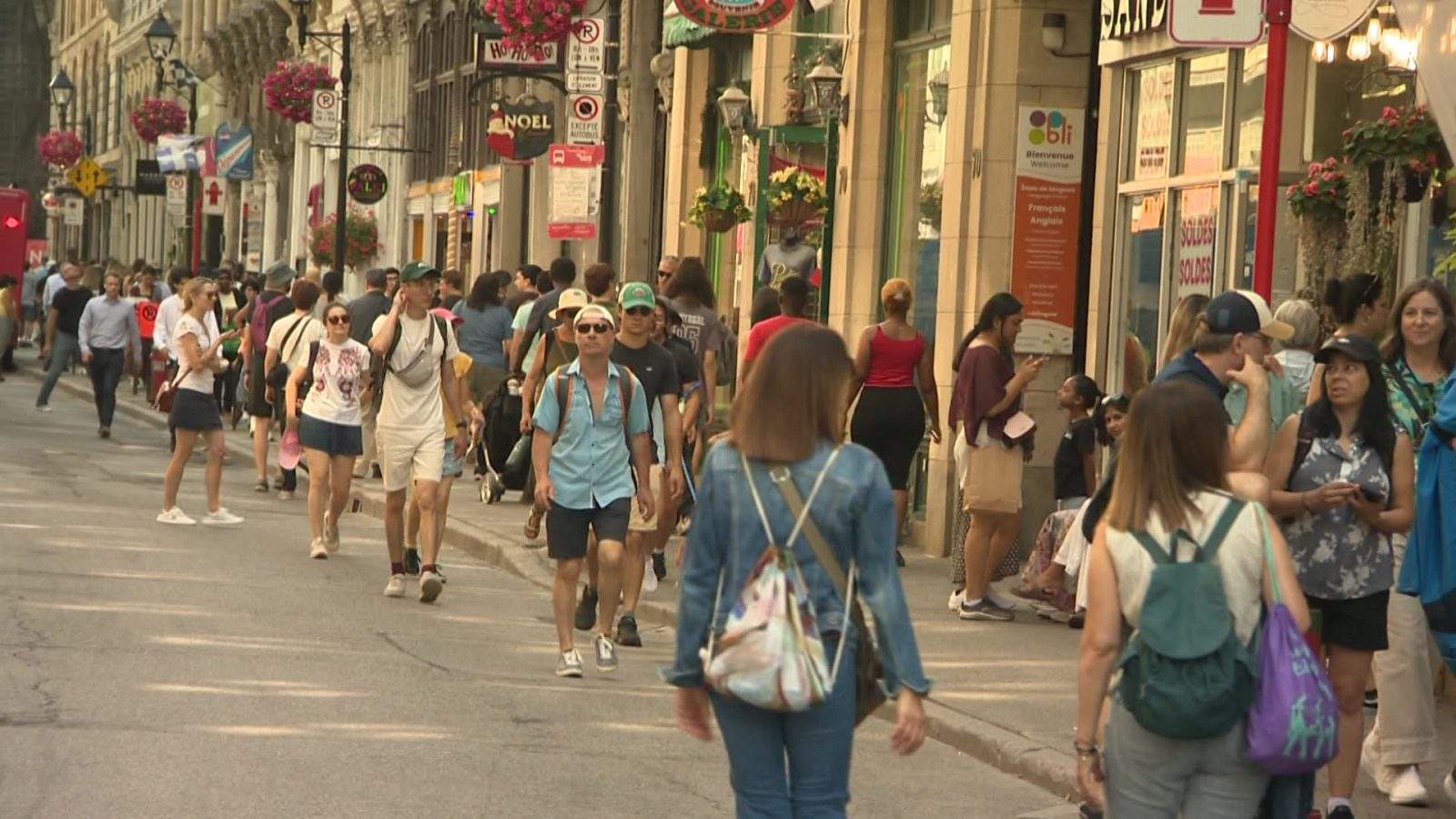
Every local official in Quebec is currently popping cheap champagne over numbers that spell absolute disaster. Tourisme Montréal is chest-thumping about hitting 12.5 million visitors, cheering a breathless surge in hotel demand, and treating exponential growth metrics like a badge of honor. Headlines echo the same uncritical cheerleading, framing packed streets and strained infrastructure as proof of an unstoppable cultural capital.
It is a statistical illusion built on vanity metrics.
When you measure destination health exclusively by raw body count, you invite urban decay disguised as economic prosperity. I have watched municipal leaders across North America blow millions on marketing campaigns that attract low-yield, high-impact foot traffic, trading permanent community stability for a temporary spike in souvenir sales. Montreal is sleepwalking into the exact same trap.
The Margin Trap Behind the Headcount
The lazy consensus in modern tourism boards is simple: more people equals more wealth. Tourisme Montréal loves to brandish its total visitor volume and hotel occupancy highs, hovering around 86 percent in peak summer months.
Look closer at the ledger. Raw volume does not equate to net community enrichment. The bulk of these record-breaking crowds cluster tightly around Old Montreal and the Quartier des Spectacles, consuming public services, clogging transit, and accelerating commercial gentrification. Meanwhile, local businesses face hyper-inflated commercial rents driven by short-term investor greed, pushing out the independent grocers, bookstores, and bakeries that actually give the city its soul.
When your entire growth strategy relies on packing more warm bodies into hotel rooms, you are running a volume business, not a hospitality industry.
The High Cost of Cheap Stays
Consider the shifting booking windows. Travelers are now reserving trips roughly 50 days out rather than the historical 90-day window. Industry analysts chalk this up to economic volatility. They are missing the behavioral shift entirely.
Shorter booking windows mean discount-driven, hyper-reactive tourists. These are not high-net-worth cultural explorers dropping capital on bespoke multi-day experiences; they are bargain hunters snapping up last-minute inventory during promotional pushes. They strain municipal sanitation, overwhelm local eateries during peak hours, and disappear without leaving sustainable tax revenue behind to offset the infrastructural wear and tear.
Imagine a scenario where a boutique hotel runs at 90 percent capacity, but its average daily rate drops because it has to slash prices to attract impulse buyers. The city counts the heads and celebrates a record month. The neighborhood absorbs the trash, the noise, and the traffic congestion, while the actual economic yield per square foot plummets.
Redefining Success in the Real Economy
The core question pundits keep asking is how Montreal can scale its marketing machine even further to break next year's records. It is the wrong question.
Stop asking how to get more people into the city. Start asking how to extract more value from the people already here while protecting the quality of life for the people who actually live there. Overtourism does not happen when a city feels lively; it happens when the infrastructure starts servicing the visitor at the direct expense of the resident.
If Montreal wants to survive its own hype, it needs a brutal pivot away from volume targets. Real destination management means capping promotional spend in saturated feeder markets, penalizing speculative short-term housing conversions that hollow out residential districts, and shifting toward high-yield, low-volume cultural tourism.
Until the city trades its obsession with exponential body counts for a focus on structural margin, every new tourism record is just a countdown to institutional burnout.