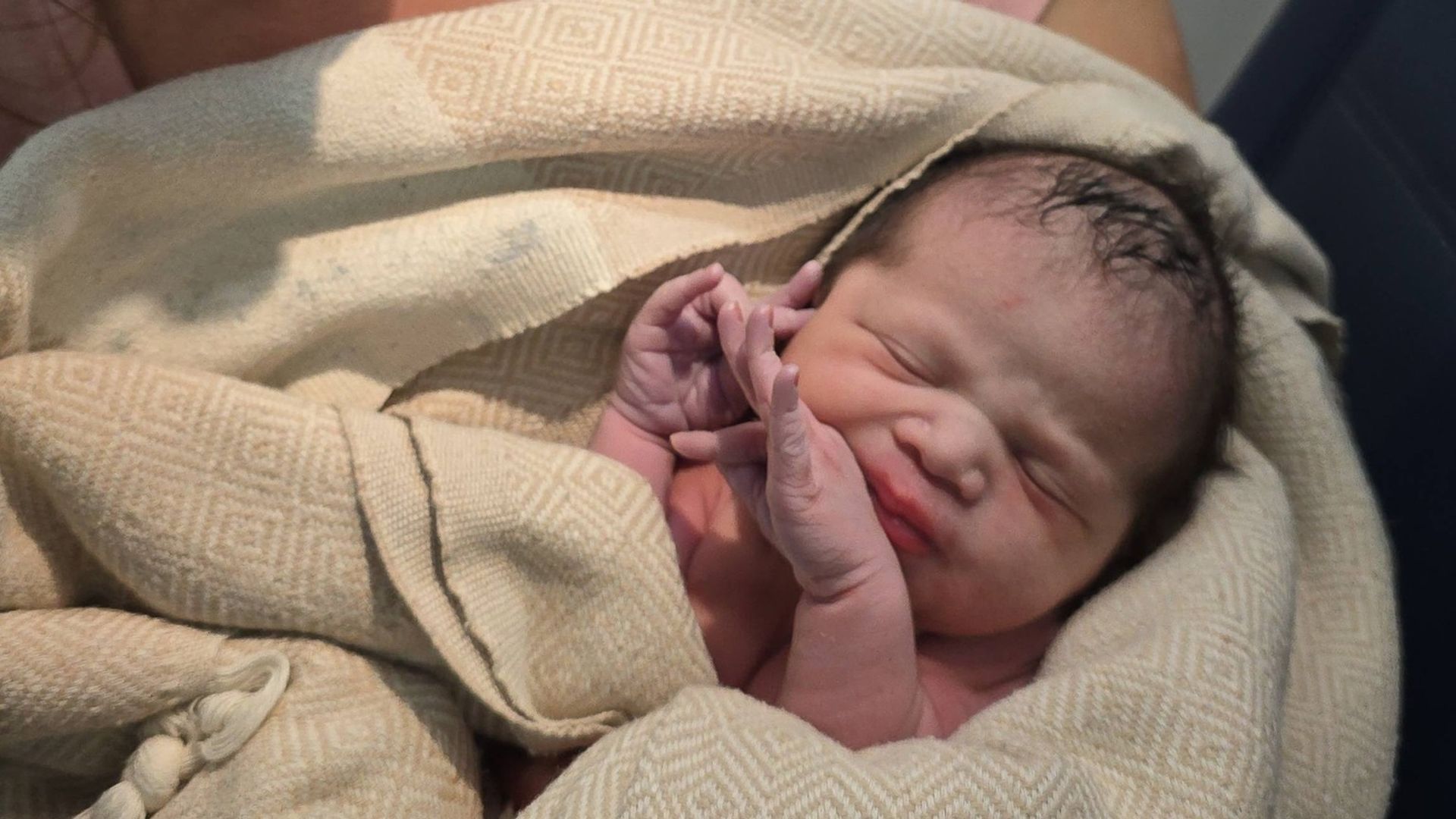
When a passenger goes into labor at 35,000 feet, the romanticized image of a "miracle flight" masks a brutal reality for the crew and the carrier. The recent delivery of a premature infant by off-duty paramedics on a long-haul flight isn't just a heartwarming human-interest story. It is a stark reminder of the massive gaps in civil aviation’s medical preparedness. Most people assume that because they are on a multi-million dollar aircraft, there is a sophisticated medical plan in place.
The truth is far less comforting. Meanwhile, you can read other events here: The Winter Code Every Newcomer Learns Too Late.
Aviation medicine is a discipline of compromises. Weight restrictions, limited space, and the physics of a pressurized cabin turn a standard medical event into a logistical nightmare. When a woman enters active labor early, the "golden hour" of neonatal care is replaced by a desperate scramble for anyone with a medical license—or in this case, the fortunate presence of paramedics who happened to be sitting in economy. Without them, the outcome would have shifted from a headline about a miracle to a somber report on an avoidable tragedy.
The Illusion of the Onboard Medical Kit
Most passengers would be horrified to see the actual contents of an Emergency Medical Kit (EMK) required by aviation authorities. While the FAA and international bodies mandate certain items, these kits are designed for basic stabilization, not neonatal intensive care. You will find bandages, stethoscopes, and perhaps some basic cardiac medication. You will not find the specialized equipment needed to clear the airway of a premature infant or the thermal regulation tools required to keep a newborn alive in the dry, thin air of a Boeing or Airbus cabin. To explore the bigger picture, we recommend the excellent report by Lonely Planet.
Aviation companies rely heavily on Ground-Based Medical Support (GBMS). This involves the cockpit crew patching through to a call center on the ground where a doctor, who may be thousands of miles away, attempts to talk a flight attendant through a delivery. It is a system built on hope rather than hardware. If the satellite link flickers or the noise of the engines drowns out the instructions, the crew is left to rely on the manual they memorized during a three-day first aid course.
The Physics of Birth at Altitude
Giving birth in a pressurized cabin is not the same as giving birth in a hospital. The environment is actively hostile to a newborn. Cabin pressure is typically maintained at an equivalent of 6,000 to 8,000 feet above sea level. For a healthy adult, this is manageable. For a premature infant with underdeveloped lungs, it is a recipe for hypoxia.
- Oxygen Saturation: The partial pressure of oxygen is significantly lower than at sea level. A newborn’s lungs are already struggling to transition from fluid to air; doing so in a low-oxygen environment compounds the risk of respiratory distress.
- Humidity Levels: Aircraft cabins are notoriously dry, often hovering around 10% to 20% humidity. Newborns, particularly those born early, lose body heat rapidly through evaporation. In a hospital, they go into an incubator. On a plane, they are wrapped in thin blankets and whatever aluminum foil the galley crew can find.
- Space Constraints: The galley of a narrow-body aircraft is roughly the size of a walk-in closet. Performing a delivery while bumping into drink carts and navigating the narrow aisles is a feat of physical endurance for the medical responders.
The Liability Gap and the Good Samaritan Trap
When these incidents occur, the focus is always on the "hero" doctor or paramedic. We rarely talk about the legal vacuum they inhabit. While the Aviation Medical Assistance Act (AMAA) in the United States provides some protection for those who volunteer their services, that protection is not universal. International flights cross multiple jurisdictions in a single hour. A paramedic who assists in a birth over international waters or a foreign territory may find themselves navigating a thicket of liability laws if something goes wrong.
Airlines are businesses. Every time an aircraft diverts for a medical emergency, it costs the carrier between $20,000 and $200,000. This includes fuel dumping, landing fees, passenger re-accommodation, and crew time. There is an unspoken tension in the cockpit when a medical event is reported. The captain must weigh the life of the passenger against the massive operational disruption of an unscheduled landing. In the case of an active birth, the decision to divert is usually immediate, but finding a suitable airport with neonatal facilities is another matter entirely.
Why We Are Seeing More Midair Labors
It is easy to blame the mother for flying late in her pregnancy, but the narrative is rarely that simple. Many of these births involve "precipitous labor" or premature rupture of membranes that occur weeks before the expected due date. Furthermore, the modern global economy demands mobility. Expectant mothers are often flying for work or to reach family before the birth, trusting the airline’s policy that generally allows travel up to 36 weeks.
The problem lies in the screening process. Airlines have no way of verifying how far along a passenger is beyond taking their word for it. There is no requirement for a physical exam or even a mandatory doctor’s note on many domestic routes. As long as the passenger fits in the seat and doesn’t look distressed at the gate, they are cleared for takeoff. This hands-off approach ensures that the "midair miracle" will continue to happen with increasing frequency as global air travel continues to grow.
The Hidden Trauma of the Cabin Crew
Flight attendants are trained to be safety professionals, but they are not obstetricians. The psychological toll of managing a high-stakes birth—where the life of a child and a mother are in their hands—is immense. Unlike paramedics or nurses, they do not go back to a hospital where they have a support system. They finish the flight, perhaps get a day or two of rest, and are expected back in the air.
We celebrate the success stories, but the industry remains silent on the near-misses. For every successful midair delivery, there are dozens of medical emergencies that are handled with duct tape and prayers because the airline industry refuses to mandate more comprehensive medical kits or more rigorous pre-flight screenings for high-risk passengers.
The Cost of the Miracle
The "miracle" of a baby born at 30,000 feet is a failure of the system. It represents a moment where a passenger was placed in a life-threatening environment without the necessary safeguards. The fact that paramedics were on board for this specific flight was a stroke of luck, not a triumph of aviation policy. Relying on the coincidence of a medical professional being in seat 14B is not a safety strategy. It is a gamble.
If carriers want to truly prioritize passenger safety, they must look beyond the PR value of a baby born in their livery. They must address the inadequacy of the EMK, provide better legal indemnification for volunteers, and establish clearer protocols for neonatal emergencies. Until then, every midair birth remains a high-altitude roll of the dice.
The next time you see a headline about a baby born on a plane, don't just look at the smiling photos of the crew holding the infant. Look at the cramped galley, the lack of equipment, and the sheer terror that preceded that photo. The industry is currently coasting on the bravery of strangers and the resilience of human biology, a strategy that will eventually run out of altitude.