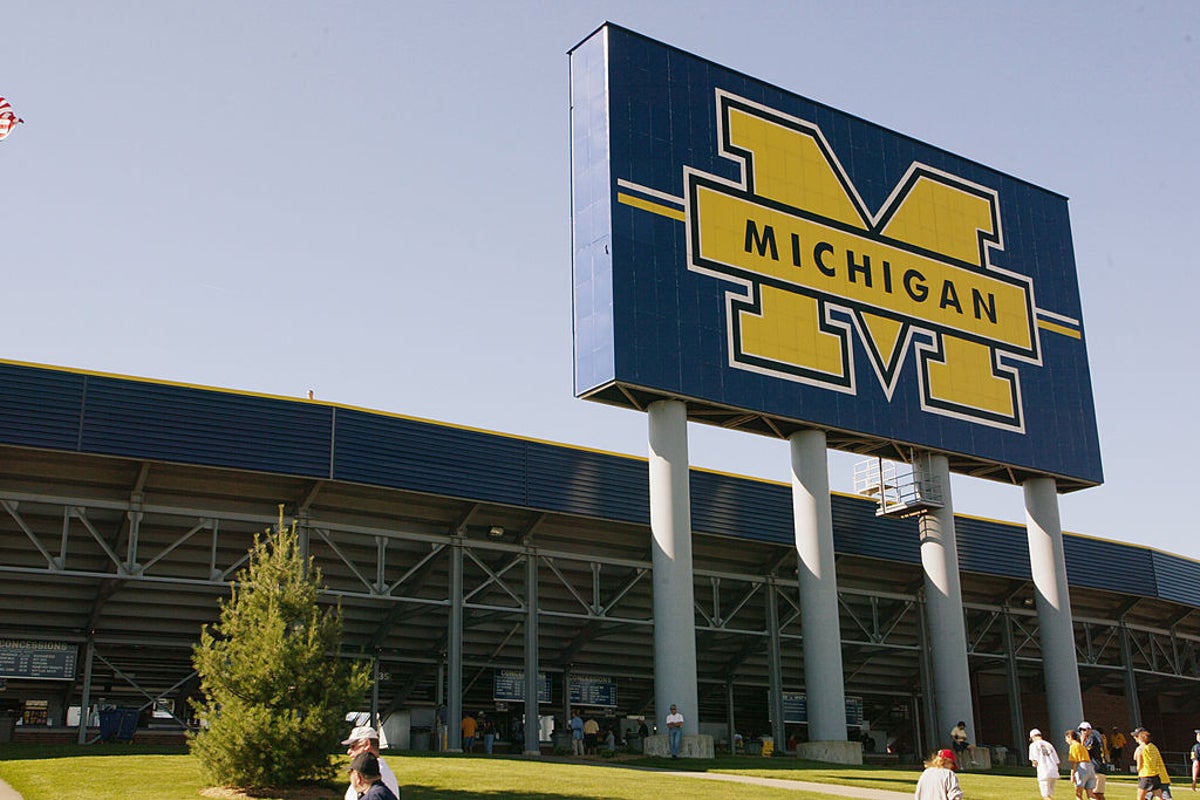
Dropping your GPA off a cliff during your first three months away from home shouldn't dictate your future. The University of Michigan gets this, which is why starting in the fall of 2027, first-year students in the College of Literature, Science and the Arts (LSA) will see a major shift. Their first-semester grades will stay off official transcripts and won't count toward grade point averages. Instead, transcripts will simply record a pass or no credit.
Critics love to scream about coddling. They claim universities are turning soft and shielding young adults from the cold realities of the professional world. But anyone who has actually stumbled through their opening semester of college knows the transition is brutal. Moving away, managing your own schedule, and facing rigorous university-level exams for the first time is a recipe for severe burnout. Michigan's new policy attempts to fix a broken mental health trajectory without lowering classroom standards.
How the Michigan Grading Pilot Actually Works
Let's clear up the confusion floating around online forums and hot-take opinion pieces. Students still do the work. Instructors still evaluate assignments and give private feedback so learners understand where they stand. You aren't flying blind.
The change means those marks won't live forever on the external transcript used by graduate schools or corporate recruiters. Nearly 5,000 incoming students enter LSA each year, making it the largest undergraduate hub on the Ann Arbor campus. By removing the permanent weight of the very first semester, the university wants to encourage students to take academic risks.
Think about how high school works. You spend years perfecting a GPA to get into a top-tier institution. Then you arrive, pick difficult STEM or humanities courses, and suddenly realize a single bad midterm can tank your average before you even figure out how to do laundry properly.
The Mental Health Reality Check
Higher education is dealing with an invisible crisis. Study after study highlights climbing rates of anxiety, depression, and chronic stress among college students. High-achieving kids arrive at elite schools like Michigan used to getting straight A's effortlessly. When they hit a wall—and they usually do—the psychological impact can be devastating.
Administrators designed this policy as a safe on-ramp. Timothy McKay, the associate dean for undergraduate education, noted that the goal is to give students breathing room to adapt to rigorous demands. You want students to test their limits, join complex clubs, and explore unfamiliar subjects. Punishing them with a permanent GPA hit right out of the gate discourages curiosity.
Of course, skeptics raise fair questions. Some worry that shifting the pressure to the winter semester just delays the panic. Others wonder how internship applications will look if a massive chunk of early coursework lacks traditional letter grades. These are real logistical hurdles that academic advisors will need to navigate carefully once the pilot launches.
Looking Past the Grade Point Average
Traditional grading scales are historical artifacts, not laws of nature. Letter grades didn't become standard across American universities until after World War II. Higher education can evolve when old models stop serving students effectively.
If this pilot succeeds, expect other major research universities to follow suit. Competitiveness doesn't have to mean psychological destruction. Let students learn how to fail safely during their first few months on campus, and you'll likely end up with more resilient, capable graduates in the end.