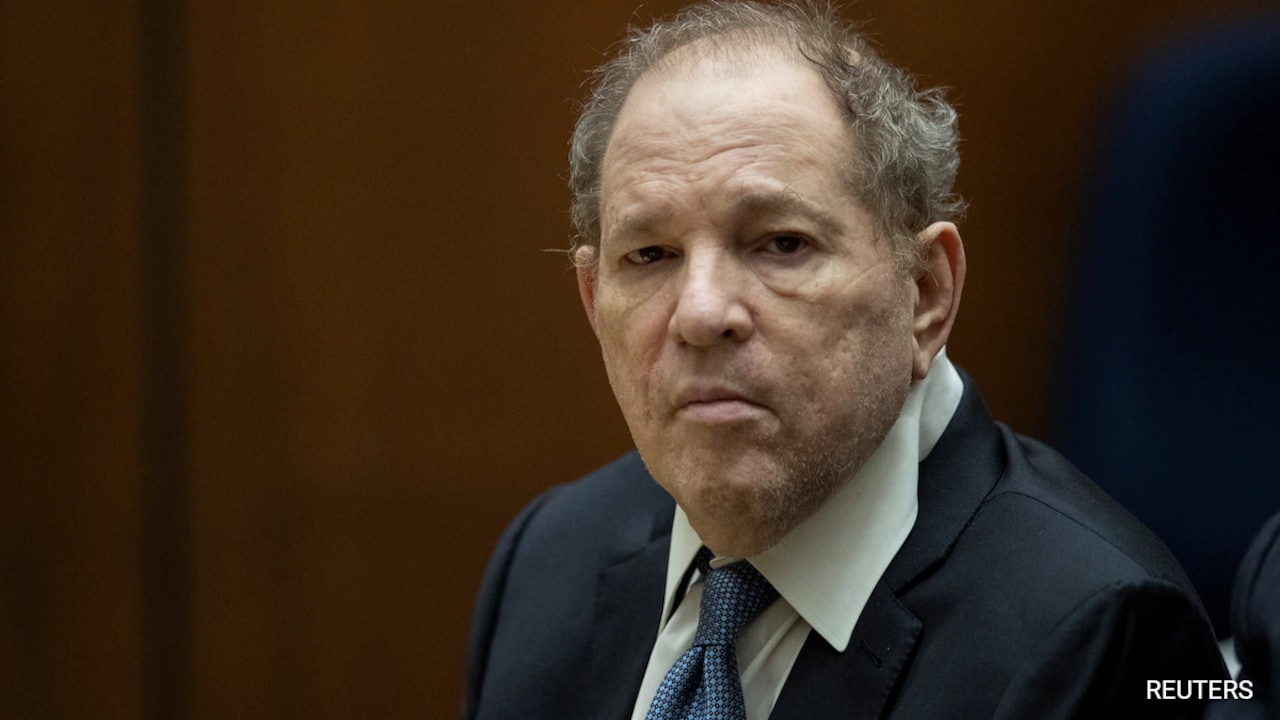
The dismissal of an unresolved sexual assault charge against a high-profile defendant is rarely an isolated decision on the merits of a single incident. Instead, it represents the culmination of a complex optimization problem faced by district attorneys balancing judicial economy, witness availability, and systemic legal risks. When prosecutors drop an outstanding charge against Harvey Weinstein, the decision is driven by structural bottlenecks within the criminal justice system rather than a shift in the underlying factual allegations.
To evaluate the strategic rationale behind dropping an unresolved criminal charge, legal analysts must look past public relations statements and dissect the operational framework that dictates prosecutorial behavior. A district attorney’s office operates under finite resources, strict evidentiary boundaries, and the constant risk of setting adverse judicial precedents. Understanding the dismissal of these charges requires analyzing three distinct operational pillars: the shifting calculus of witness utility, the institutional redundancy of sentencing, and the procedural friction introduced by appellate rulings.
The Calculus of Witness Utility and Re-traumatization Costs
The primary constraint in retrying or pursuing decades-old sexual assault allegations is the human cost and legal viability of witness testimony. In legal systems reliant on oral advocacy, a witness is not merely a source of facts; they are the core engine of the prosecution's case. Over extended timelines, the utility of this engine decays due to measurable structural variables.
- Evidentiary Degradation Over Time: Human memory undergoes natural attrition. Cross-examination strategies in high-profile retrials focus heavily on micro-inconsistencies between testimony given in 2020, depositions given in intervening civil suits, and testimony delivered in 2026. Each subsequent layer of formal statements creates an expanded surface area for defense attorneys to exploit, increasing the probability of reasonable doubt.
- The Cost-Benefit of Complainant Participation: For a complaining witness, testifying involves significant psychological and professional exposure. When a defendant faces multiple existing convictions or alternative indictments, the marginal utility of a single witness’s testimony diminishes. Prosecutors must weigh the likelihood of securing an incremental conviction against the certain cost of subjecting a vulnerable individual to aggressive cross-examination.
- Diminishing Returns on Cumulative Testimony: In the initial prosecution of Harvey Weinstein, Molineux evidence—the introduction of uncharged prior bad acts—was utilized to demonstrate a pattern of behavior. When an appellate court rules that such evidence was improperly admitted, it alters the structural framework of the trial. The prosecution can no longer use a broad array of witnesses to establish propensity, forcing them to rely strictly on the narrow facts of the specific count. If that specific count lacks corroborating physical evidence, the probability of a conviction drops below the institutional threshold required to proceed.
The Institutional Redundancy of Sentencing and Resource Allocation
Prosecutorial offices operate under strict resource constraints. Capital, attorney hours, and court dates must be allocated to maximize public safety and systemic accountability. When a defendant is already facing a significant term of incarceration from concurrent jurisdictions, the acquisition of an additional conviction yields diminishing marginal returns for the state.
The judicial math behind sentencing optimization explains why unresolved counts are routinely abandoned:
- The Los Angeles Sentence Anchor: A defendant serving a multi-decade sentence in one jurisdiction reduces the structural necessity of pursuing unresolved charges in another. Weinstein’s 16-year sentence in California operates as a baseline level of incarceration that remains unaffected by the procedural volatility of his New York indictments.
- Concurrent vs. Consecutive Sentencing Limits: Even if a prosecutor successfully secures a conviction on a remaining unresolved charge, judges frequently order sentences to run concurrently rather than consecutively. If the new sentence does not extend the actual time a defendant spends behind bars, the operational cost of a multi-week trial yields zero net change in the punitive outcome.
- Opportunity Cost of Prosecutorial Resources: A high-profile felony trial requires thousands of billable hours from senior trial counsel, investigators, and digital forensics experts. Diverting these assets to secure a redundant conviction creates an operational deficit elsewhere in the district attorney's docket, delaying the prosecution of pending violent crimes where defendants are not yet incarcerated.
Procedural Friction and the Legacy of Appellate Reversals
The structural collapse of a high-profile conviction often stems from systemic vulnerabilities introduced during the initial trial strategy. The New York Court of Appeals decision to overturn Weinstein's 2020 conviction serves as a stark case study in the dangers of over-prosecution. By attempting to maximize the emotional weight of the trial through the inclusion of extensive prior bad acts testimony, the initial prosecution introduced structural errors that ultimately invalidated the verdict.
This reversal created a highly restrictive legal environment for any subsequent retrial. The prosecution faced a bottleneck where the legal parameters had narrowed significantly, while the defense possessed a complete blueprint of the state's arguments. When an appellate court resets a case, it does not return the parties to a level playing field; it gives the defense a distinct informational advantage.
The decision to drop an unresolved charge under these conditions is a defensive tactical retreat designed to prevent further adverse legal precedents. Pursuing a weakened case risks a second acquittal or another successful appeal, both of which erode institutional credibility and diminish the legacy of the broader accountability movement.
The Strategic Path for Prosecutorial Accountability
The institutional playbook for handling high-profile sexual assault cases must adapt to these structural realities. Relying on expansive, high-risk evidentiary strategies that maximize public narrative at the expense of appellate durability creates long-term systemic fragility.
Future prosecutorial strategies must prioritize structural resilience over narrative volume. This involves filing tighter, more focused indictments backed by independent digital or physical corroboration, rather than relying on a high volume of historical testimony that remains vulnerable to changing judicial interpretations of propensity evidence. Ultimately, dropping a charge is not an admission of factual innocence; it is a calculated acknowledgment that within the current parameters of the judicial system, the operational costs of proceeding outweigh the statistical probability of a durable conviction.