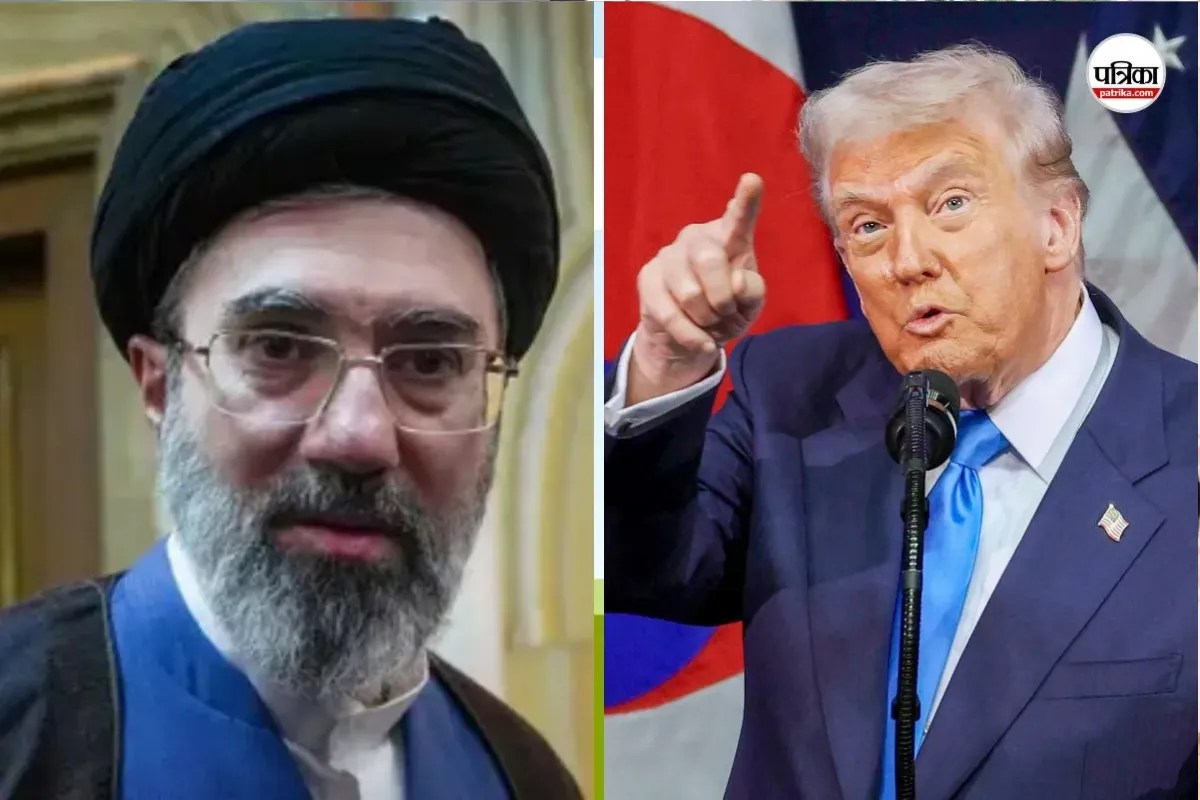
The transition of power in American foreign policy frequently relies on uncodified backchannels to test the elasticity of adversarial positions before formal diplomatic engagement occurs. The reported diplomatic maneuvers by Jared Kushner regarding U.S.-Iran relations signify a calculated shift from the overt economic strangulation of the "Maximum Pressure" campaign toward a structured, transaction-based de-escalation framework. This strategy operates on a fundamental premise: Middle Eastern geopolitical friction can be mitigated by decoupling ideological theological positioning from quantifiable economic and security incentives.
To analyze the efficacy of this strategy, one must dissect the structural components of the proposed plan, evaluate the strategic bottlenecks inherent in bypassing traditional state departments, and calculate the equilibrium point where both Washington and Tehran find compliance preferable to conflict. For another perspective, consider: this related article.
The Tri-Centric Architecture of the De-escalation Framework
The framework does not rely on a singular grand bargain; instead, it operates through three interdependent pillars designed to isolate specific variables of conflict.
                  [ Pillar 1: Economic Sanctions Relief ]
                                    │
                                    ├───> [ Mutual Compliance ]
                                    │
[ Pillar 3: Regional Containment ] ◄─┴─► [ Pillar 2: Nuclear & Missile Caps ]
1. The Economic Asymmetry Lever
The primary variable in changing Iranian state behavior is the calibrated calibration of economic sanctions. The framework treats sanctions not as a permanent punitive state, but as a dynamic volume knob. By establishing phased sanctions relief tied directly to verifiable verifications of non-enrichment, the model attempts to solve Iran’s immediate capital crunch. The strategic objective here is to exchange non-existential nuclear capabilities for internal economic stabilization, addressing the Iranian regime's primary domestic vulnerability: inflation and currency devaluation. Similar reporting regarding this has been published by NBC News.
2. The Bilateral Security Ring-Fencing
The second pillar requires a strict demarcation of red lines concerning ballistic missile development and regional proxy funding. Traditional diplomacy often failed by demanding an immediate, total cessation of proxy networks—a condition Tehran views as an existential threat to its forward-defense doctrine. The Kushner model modifies this by proposing a "freeze-for-freeze" mechanism. Tehran caps the operational range of its ballistic systems and limits the technological sophistication of transfers to non-state actors in exchange for a partial rollback of primary and secondary American banking sanctions.
3. Integration into the Abraham Accords Ecosystem
The third pillar leverages the regional security architecture established by the Abraham Accords. By framing Iran’s de-escalation not merely as a bilateral truce with the United States, but as a prerequisite for entering a broader regional economic matrix, the plan shifts the incentive structure. It presents Tehran with a choice between isolation against a unified Arab-Israeli security bloc or a path toward regulated regional trade integration.
Structural Bottlenecks and Institutional Friction
Bypassing established diplomatic bureaucracies introduces significant operational risks that threaten the durability of any text produced through backchannels. The reliance on personalized, transactional diplomacy creates three distinct points of failure.
The Credibility Binding Problem
The primary structural defect in backchannel agreements brokered by non-institutional actors is the lack of institutional permanence. Iran’s supreme leadership views American policy through the lens of structural cynicism, deeply informed by the unilateral U.S. exit from the Joint Comprehensive Plan of Action (JCPOA). When agreements are tied to specific familial or political factions rather than the permanent state apparatus (the State Department, the National Security Council), the perceived risk of a future policy reversal remains prohibitively high. This reality compresses Iran's timeline, forcing them to demand front-loaded, irreversible concessions that Washington cannot politically grant.
The Bureaucratic Implementation Gap
Even if a conceptual consensus is reached via informal channels, the operationalization of sanctions relief requires meticulous execution through the U.S. Department of the Treasury’s Office of Foreign Assets Control (OFAC). Backchannel actors can promise the unfreezing of assets or the issuance of waivers, but the actual execution involves complex legal mechanisms and compliance risks for global financial institutions. Without institutional integration, a wide gap emerges between the political announcement of a plan and the tangible economic relief felt on the ground in Tehran, giving Iranian hardliners ammunition to sabotage the process.
The Strategic Play: Calibrating the Equilibrium
For this framework to transition from a theoretical blueprint to an active geopolitical reality, both state actors must calculate that the utility of compromise exceeds the utility of continued kinetic or cyber friction.
The United States must balance its commitment to regional allies (specifically Israel and Saudi Arabia) against the strategic necessity of pivot-shifting its military assets toward the Indo-Pacific theater. De-escalating the Iranian front frees up critical naval and intelligence resources.
For Iran, the calculation is driven by domestic survival. The economic cost function of maintaining a high-intensity proxy network under severe sanctions has reached a point of diminishing returns. The regime requires a capital infusion to manage internal dissent and modernize aging domestic infrastructure.
The strategic play requires a highly sequenced, multi-stage implementation matrix:
- Phase 1: Verification Inversion. Washington issues limited, time-bound waivers for third-party nations to purchase specific volumes of Iranian petrochemicals. Concurrently, Tehran halts all enrichment of uranium above 3.67% purity and allows International Atomic Energy Agency (IAEA) inspectors unhindered access to disputed facilities.
- Phase 2: Regional De-escalation Corridors. Iran instructs its regional proxies to cease drone and missile operations against international shipping lanes and American installations. In return, the U.S. facilitates the release of frozen Iranian sovereign assets held in foreign escrow accounts strictly for humanitarian and non-sanctioned industrial procurement.
- Phase 3: Formalization Transition. The informal understandings are migrated into a multilateral framework involving regional stakeholders, transforming a fragile personalized deal into an institutionalized regional security pact.
The viability of this framework rests entirely on whether the incoming administration treats this backchannel blueprint as an endgame or merely as a tactical entry point to force a broader, institutionalized negotiation. If it remains dependent on personal relationships, it will collapse under the weight of regional crises. If integrated into a systematic, multi-agency strategy, it provides a realistic, cold-eyed off-ramp to one of the world's most volatile geopolitical standoffs.