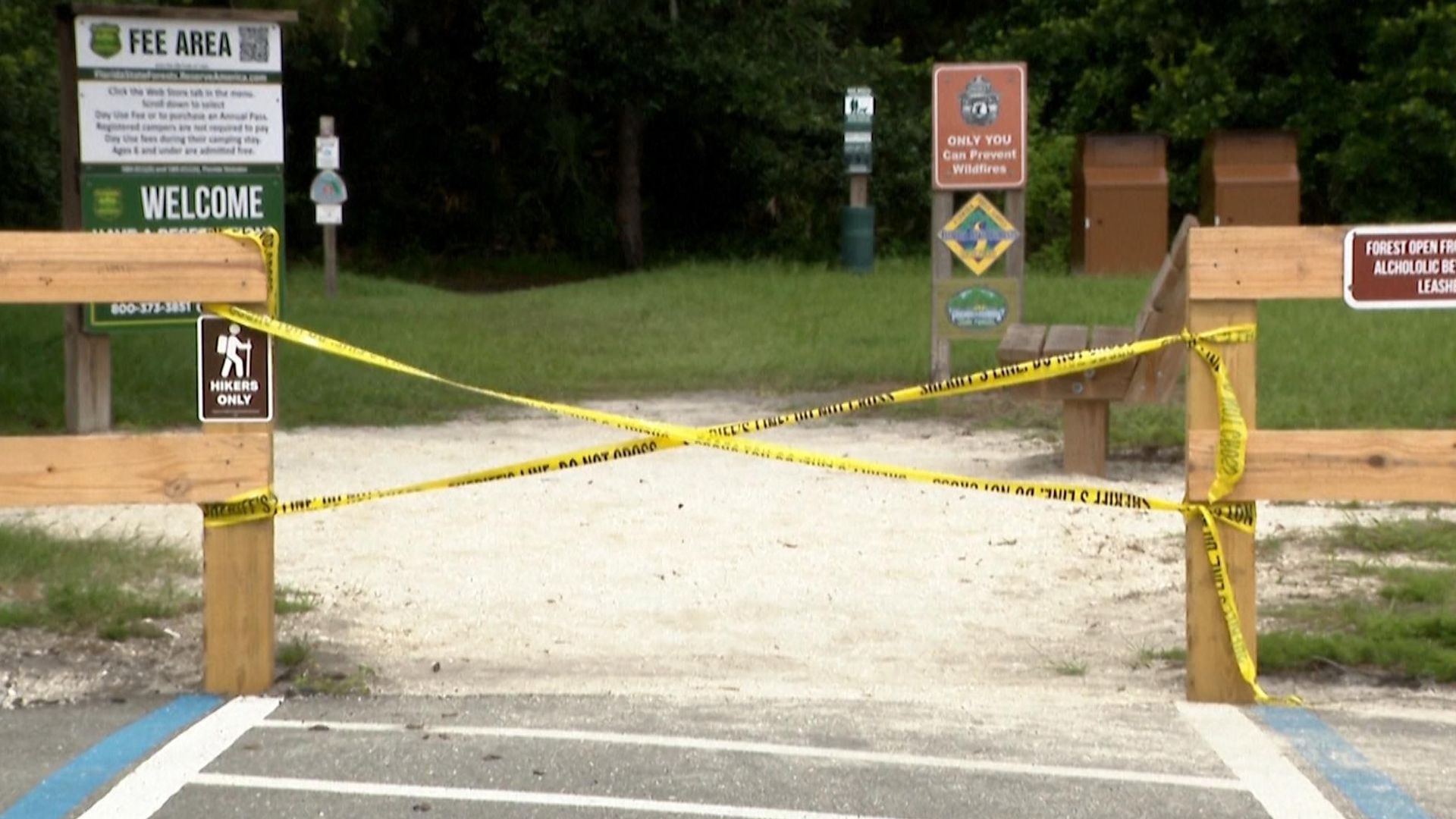
The intersection of expanding residential infrastructure and established apex predator habitats creates a predictable calculus of risk. Fatal interactions between humans and Alligator mississippiensis within the state of Florida are not random anomalies; they are the quantifiable outputs of spatial overlap, hydrological management, and behavioral conditioning. To minimize lethal outcomes, municipalities must transition from reactive wildlife management to predictive risk mitigation frameworks that analyze habitat fragmentation and human density vectors.
The Triad of Interaction Dynamics
Evaluating the probability of a lethal crocodilian encounter requires breaking the event down into three distinct operational variables: spatial proximity, prey-switching behavior, and environmental disruption.
Spatial Proximity Vectors
Urban development in the southeastern United States frequently utilizes artificial retention ponds, canals, and golf course water hazards to manage stormwater. These engineered aquatic structures mimic natural littoral zones, effectively attracting displaced apex predators into high-density human environments. When residential areas border natural wetlands, the perimeter length of the interface dictates the frequency of contact.
Behavioral Conditioning Mechanics
Naturally, wild alligators exhibit an innate avoidance of humans. This behavioral barrier degrades systematically through illegal feeding or indirect food provisioning, such as discarding fish carcasses in shared waterways. The introduction of anthropogenic food sources alters the predator's cost-benefit equation, replacing flight responses with food-association behaviors. Over time, this conditioning causes the reptile to associate large mammalian profiles at the water's edge with caloric reward.
Environmental Disruption Factors
Seasonal fluctuations heavily influence crocodilian metabolic rates and behavioral patterns. Ambient temperature increases during spring and summer elevate the baseline metabolic demands of ectothermic organisms, forcing more frequent foraging cycles. Concurrently, the reproductive mating season increases intra-species aggression and forces subordinate or displaced individuals—often large sub-adults or displaced males—to travel overland between isolated bodies of water, drastically increasing the probability of encountering human populations.
Quantifying the Attack Mechanics and Fatality Drivers
When an encounter escalates to physical contact, the mechanical advantages of the apex predator dictate the severity of the trauma. Understanding these biomechanical factors explains why specific anatomical targets lead to systemic failure or death.
The primary predatory mechanism of the alligator is the ambush strike, initiated from a submerged or partially submerged position. The strike relies on explosive velocity generated by the lateral undulation of the caudal musculature. This kinetic energy transfers instantly upon closing the jaws, which are capable of exerting a bite force exceeding 9,000 Newtons in mature specimens.
The initial strike rarely kills the target immediately. The primary cause of severe trauma or limb loss is the subsequent rotational maneuver, commonly termed the spin. This maneuver utilizes the mass of the reptile to exert torsional stress on the captured appendage, exceeding the structural tolerance of human bone, tendons, and vascular walls.
Once structural detachment occurs, the immediate physiological threat shifts to rapid exsanguination. The tearing of major arterial pathways, such as the brachial or femoral arteries, induces profound hypovolemic shock within minutes if compression or tourniquet application is not executed immediately. A secondary lethal mechanism is forced submersion, where the predator drags the incapacitated target into deeper water to induce asphyxiation.
Structural Failures in Current Mitigation Protocols
The reliance on reactive removal programs presents several systemic limitations that undermine long-term public safety. Most municipalities utilize a nuisance alligator reporting system, which operates on a lagging indicator model: an animal must display aggressive behavior or exceed a specific size threshold before intervention occurs.
The first limitation of this approach is the vacuum effect. Removing a dominant alligator from a specific retention pond or canal creates an immediate territorial void. Because these aquatic networks are interconnected, neighboring sub-adults or transient males quickly colonize the vacant habitat. The localized risk profile drops temporarily, only to reset to baseline levels within weeks.
The second limitation stems from human complacency and asymmetric risk perception. Residents living adjacent to interior waterways frequently misjudge the carrying capacity of small lakes or retention systems. The absence of visible wildlife creates a false sense of security, leading to high-risk behaviors such as walking domestic animals or wading near the water's edge during crepuscular periods when predator activity peaks.
Predictive Infrastructure and Policy Interventions
Shifting the risk curve requires implementing proactive engineering and policy frameworks that alter the physical interface between human populations and apex predators.
- Physical Exclusion Barriers: Installing physical barriers along high-risk littoral zones prevents overland transit into residential lawns. Heavy-duty fencing must extend at least three feet below the soil surface to prevent burrowing and stand a minimum of four feet high to deter climbing.
- Riparian Zone Engineering: Modifying the topography of retention basins reduces their utility as ambush sites. Designing shorelines with steep grades rather than gradual slopes limits the areas where alligators can easily bask or launch shallow-water strikes. Eliminating dense, overhanging vegetation removes the cover necessary for successful ambush maneuvers.
- Automated Surveillance Vectors: Deploying acoustic and optical sensors along high-traffic water interfaces allows for the early detection of large reptiles. Machine learning algorithms trained on crocodilian movement profiles can flag the presence of mature animals in residential zones before human contact occurs.
The optimization of community safety relies on the strict enforcement of non-feeding ordinances coupled with a fundamental redesign of suburban water management systems. Treating urban waterways as active wildlife corridors rather than isolated decorative features forces a realistic appraisal of environmental risks, systematically reducing the probability of lethal encounters.