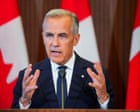
Prime Minister Mark Carney just secured a massive political win. His ruling Liberal Party swept three key special elections, sending a clear signal across the country. If you've been watching Ottawa lately, you know the stakes couldn't be higher. Between intense cross-border trade friction and shifting domestic loyalties, these local ballots turned into a national referendum on leadership.
The results delivered victories in Toronto's Beaches–East York, British Columbia's North Vancouver–Capilano, and a particularly telling pickup in the Quebec riding of Chicoutimi–Le Fjord. Flipping a Conservative stronghold in Quebec proves that Carney's strategy is cutting through traditional regional divides. Voters are responding to how the government handles external pressure, and the momentum is undeniable.
Standing Firm Against US Pressure
Trade tensions with the United States have dominated the political conversation all year. When bilateral negotiations hit a wall, the administration didn't back down. Instead, they hit back against heavy tariffs and stood their ground against aggressive rhetoric from Washington.
Voters in industrial and agricultural regions noticed. Daniel Gobeil, the winning candidate down in Quebec, noted that the outcome keeps regional interests protected while maintaining national solidarity. When a former central banker leads a country through an economic showdown, people want stability. They want someone who understands global markets and won't flinch when things get messy.
Shifting Momentum in Parliament
This triple victory pushes the Liberals closer to solid footing in the 343-seat House of Commons. Opposition leader Pierre Poilievre has struggled to regain the initiative since last year's general election, and these results show public opinion drifting further away from the Conservative message.
Political analysts point out that Canadians facing economic uncertainty lean toward perceived competency over political theater. Carney's background managing major financial institutions gives him an edge that rivals have struggled to counter. When grocery bills, housing costs, and tariffs are on everyone's mind, steady execution beats loud opposition complaints every single time.
What Happens Next on Parliament Hill
The stakes now shift to the upcoming parliamentary session. With a strengthened caucus and renewed public backing, the government has more room to maneuver on key legislation without constantly scrambling for coalition votes.
Keep an eye on how Ottawa manages ongoing supply chain defenses and domestic affordability programs. If the Liberals keep delivering practical wins while keeping trade partners at bay, the opposition will find it nearly impossible to change the national narrative.