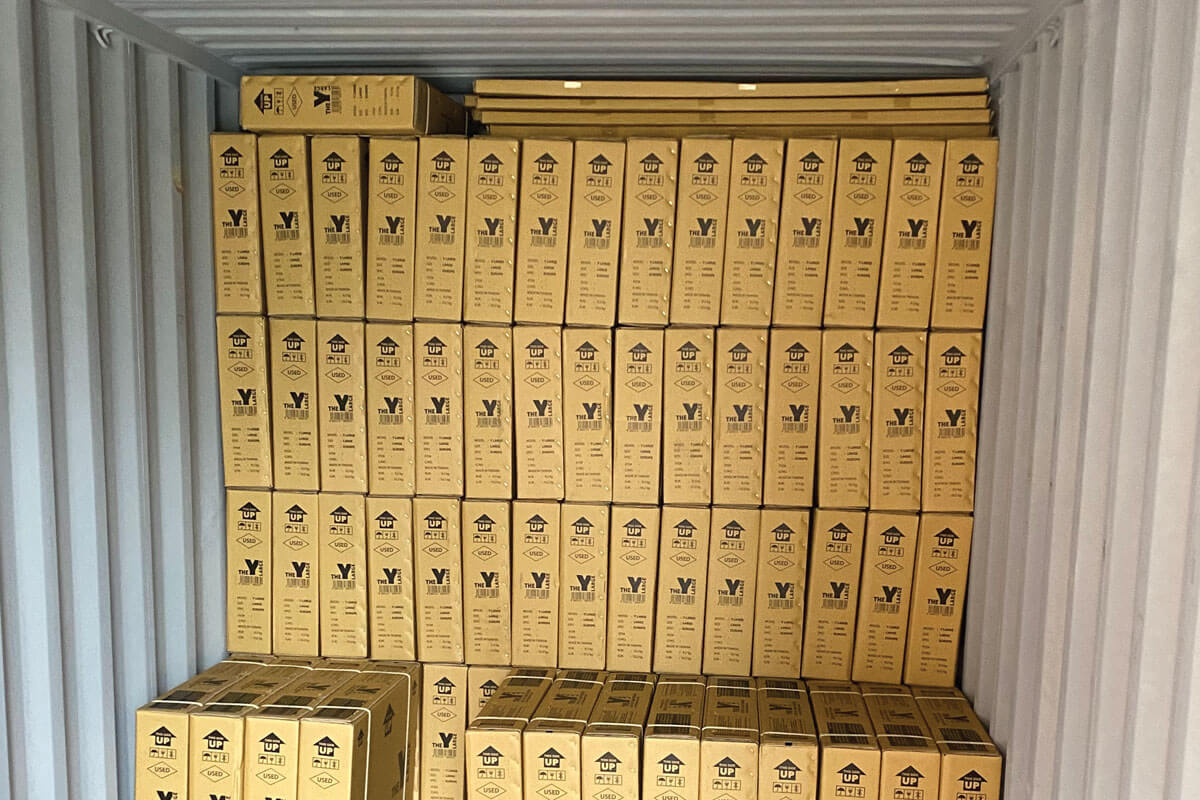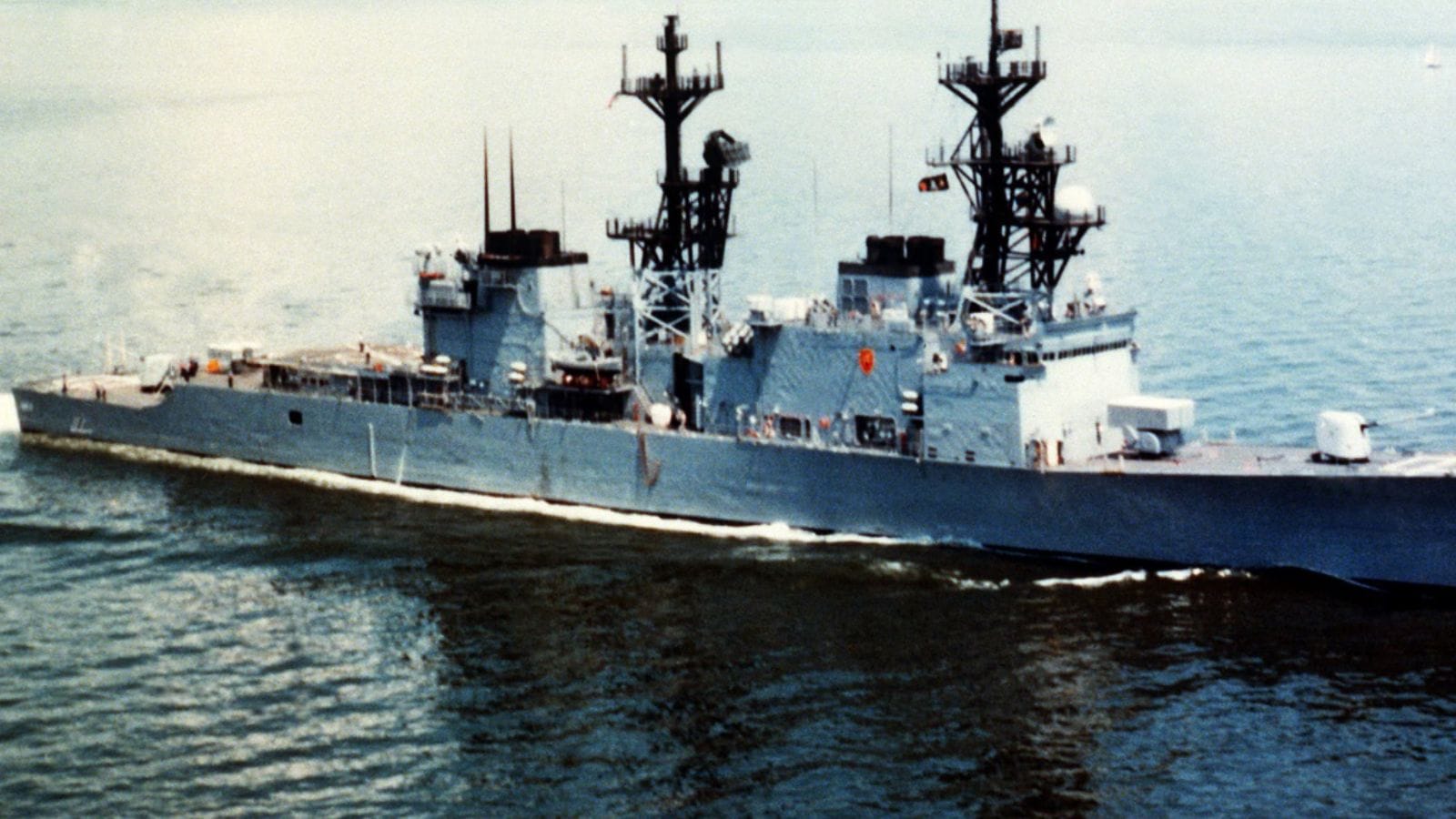
The seizure of the Iranian-flagged container ship Touska by the United States Navy on April 19, 2026, represents a critical stress test of the current maritime blockade in the Gulf of Oman. Beyond the immediate tactical execution—which involved kinetic warning shots from the USS Spruance—the incident exposes a sophisticated logistics network designed to bypass international sanctions through the transport of dual-use chemical precursors. The geopolitical friction following this interdiction highlights a deepening friction between US enforcement of missile non-proliferation and China’s strategic "plausible deniability" framework regarding its exports to the Islamic Republic of Iran Shipping Lines (IRISL).
The Mechanics of Dual-Use Proliferation
The Touska was not merely a commercial carrier; it is a node in a specialized procurement chain. US Central Command (CENTCOM) and cabinet officials have identified the cargo as containing specific chemical precursors intended for solid-fuel missile propulsion. In the context of the Iranian ballistic program, these materials represent a "choke point" in the manufacturing cycle.
The logistics of this shipment follow a recognizable pattern of "grey zone" shipping:
- Origin Concealment: The vessel originated in Chinese ports, where cargo is often manifested as industrial grade chemicals for civilian manufacturing.
- Carrier Selection: The use of IRISL vessels, which have been under US sanctions since 2019, signals a high-risk, high-reward logistical choice by Tehran, prioritizing internal control over international legality.
- The Interception Threshold: The decision by the USS Spruance to engage with warning shots indicates a breakdown in standard maritime hails. The six-hour refusal to stop suggests a protocol intended to buy time for the destruction of sensitive onboard documentation or the coordination of a diplomatic response.
The Three Pillars of Beijing’s Defensive Rhetoric
China’s response, articulated by Foreign Ministry spokesperson Guo Jiakun, relies on a three-tiered logical framework designed to decouple the shipment from state responsibility while maintaining economic flow.
- Categorical Denial of Linkage: Beijing classifies the incident as "malicious linking and hype." By framing the Touska as a "foreign-flagged container ship," China attempts to shift the burden of proof regarding the cargo's origin and end-use onto the carrier and the recipient, regardless of where the goods were physically loaded.
- The Sovereignty Defense: China frames the US blockade as an extra-legal imposition. By characterizing the seizure as "piracy" or "aggression," Beijing aligns its rhetoric with Tehran to challenge the legitimacy of US-enforced maritime exclusion zones.
- Economic Counter-Leverage: The threat of countermeasures in response to US tariff warnings establishes a cost-benefit boundary. Beijing is signaling that it will treat trade sanctions linked to Iranian military support as a violation of bilateral trade agreements, effectively using its market size to shield its strategic exports.
The Cost Function of Iranian Missile Development
For the Iranian regime, the seizure of the Touska is a significant material setback. The cost of losing a specialized cargo of missile precursors is not merely financial; it is a temporal loss in the R&D and deployment cycle.
| Variable | Impact on Iranian Strategy |
|---|---|
| Material Scarcity | Interdiction of dual-use chemicals forces a reliance on less efficient or more volatile domestic substitutes. |
| Logistical Risk | The failure of the Touska to breach the blockade increases the insurance and "danger pay" premiums for future clandestine shipments. |
| Diplomatic Leverage | Tehran’s withdrawal from the Islamabad ceasefire talks demonstrates that it views its missile procurement as a non-negotiable component of its national security architecture. |
Structural Bottlenecks in Sanctions Enforcement
The US strategy faces a persistent bottleneck: the "Ghost Fleet" and the fluidity of containerized trade. While a high-profile seizure like the Touska provides a clear win for non-proliferation efforts, it does not address the thousands of smaller, non-sanctioned vessels that utilize ship-to-ship (STS) transfers in the Indian Ocean to move smaller quantities of restricted materials.
The primary limitation of the current blockade is the sheer volume of maritime traffic originating from Asia. Without a comprehensive "Know Your Customer" (KYC) mandate enforced at the port of origin—which China has explicitly refused to implement—the US is forced into a reactive posture, relying on high-fidelity intelligence to pick individual "needles" out of the global shipping "haystack."
Strategic Recommendation
The escalation of maritime interdictions necessitates a shift from tactical seizures to a broader "supply chain denial" strategy. To effectively counter the Sino-Iranian proliferation axis, the following maneuvers are required:
- Secondary Sanctions on Port Operators: Target the specific Chinese port authorities and logistics firms that facilitated the loading of the Touska. By increasing the operational risk for the infrastructure providers, the US can force a "soft" domestic vetting process within Chinese shipping hubs.
- Intelligence Sharing with Regional Hubs: Strengthen maritime domain awareness (MDA) pacts with India and Oman. Enhancing the sensor network around the Chabahar port—where the Touska was intercepted—reduces the "blind spots" where vessels can disable transponders.
- Redefining "Dual-Use" Thresholds: Establish an international technical standard for the specific chemical compounds seized. By publicizing the chemical signatures of the cargo, the US can isolate China in multilateral forums, forcing a choice between defending legitimate trade and shielding identified missile precursors.
The current trajectory suggests that unless the cost of facilitating these shipments outweighs the strategic benefit of propping up the Iranian regime, Beijing will continue to utilize its industrial capacity as an offshore arsenal for Tehran.