Ink on paper dictates the fate of politicians, but lines drawn on a map rarely capture the silent rumble of an electorate changing its mind.
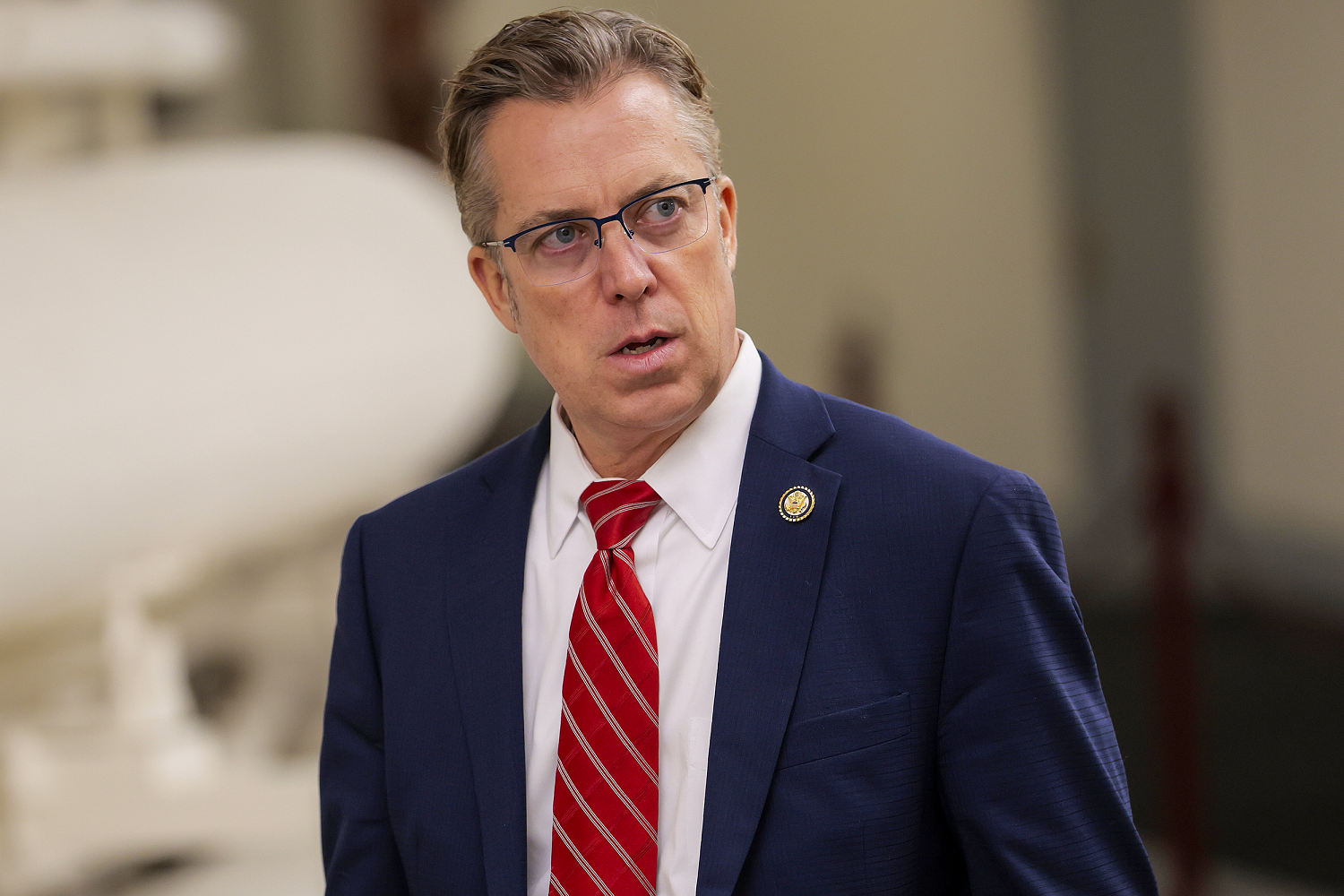
Imagine a voter sitting on a weathered porch in rural Tennessee, watching the summer heat shimmer off the asphalt. For years, that voter felt represented by the fiery rhetoric echoing from Washington. The political storms, the scorched-earth posture, the daily cycle of digital outrage—it felt like a defense mechanism. But seasons change. Maps change, too. And when the legislature redrew the fifth congressional district, stretching it into a sprawling, unfamiliar shape where eighty-two percent of the constituents were brand new to the incumbent, the physics of survival shifted underneath Congressman Andy Ogles.
Political gravity is a quiet force. It does not announce itself with a explosion; it settles in the quiet spaces of a ballot box.
Ogles arrived in Congress during the 2022 cycle, riding a wave of conservative realignment that carved up Nashville and handed a newly configured seat to a proud member of the hard-right House Freedom Caucus. He was built for conflict. He wore the badge of a bomb-thrower like a medal of honor. Yet survival in modern politics requires more than a brand. It requires an anchor.
Consider what happens when the anchor starts dragging. Over his terms in office, the headlines piled high. There was the FBI seizing his cellphone amid a campaign finance inquiry, a storm of scrutiny over resume discrepancies, and incendiary social media posts that forced awkward public apologies for staff-written statements about marginalized groups. To his loyal base, these were battle scars inflicted by a hostile system. To a growing segment of the party, they were exhausting distractions.
Even a presidential blessing has an expiration date when the ground beneath a candidate dissolves.
President Donald Trump threw his weight behind Ogles, offering social media praise and calling him a conservative warrior right up until primary day. In most Republican strongholds, that endorsement acts as an impenetrable shield. But this was not most places. The newly reshaped fifth district—carved up and stitched together to span from central Tennessee all the way to the Mississippi River—created an electorate that cared less about national cable news brawls and more about steady hands.
Enter Charlie Hatcher.
Hatcher, the former state agriculture commissioner, didn't run on explosive cultural grievances. He ran on a profile of institutional familiarity. Backed by Governor Bill Lee and former Governor Bill Haslam, Hatcher represented a different flavor of conservatism—one rooted in soil, administration, and quiet competence rather than midnight microphone monologues.
The numbers trickling in on a warm August evening told a stark story. By the time eighty percent of the votes were tallied, the gap was undeniable. Hatcher stood ahead by over six points, securing a decisive victory that caught the attention of political observers nationwide. It marked a rare chink in the armor of the Trump endorsement machine, following closely on the heels of a similar primary upset in Michigan.
Defeat in politics usually breeds bitterness. Phones get blocked, concessions are spat out through gritted teeth, and factions dig deeper trenches. But the immediate aftermath of Thursday's primary revealed a strange, human pivot.
Ogles picked up the phone. He dialed Hatcher.
There were no fiery declarations of voter fraud, no defiant defiance broadcast to the digital ether. Instead, the two men spoke of transitions. Hatcher, a political novice when it comes to the labyrinth of Capitol Hill, admitted he would need a compass to navigate the federal capital. Ogles offered to help him read the map.
It was a quiet, almost surreal postscript to a brutal campaign. A combative incumbent, unseated by a redesigned map and an electorate craving a different style of leadership, offering a final tutorial on how to survive the machine he was just ejected from.
The primary dust has settled over Tennessee. The redrawn district moves forward toward a general election, its boundaries fixed on a page, waiting for the next set of hands to sketch its future.