The air in the West Wing doesn't just sit; it hums with the electric static of decisions that can shift the tectonic plates of global power. When Mark Rutte, the NATO Secretary-General, walked into the meeting with Donald Trump, the silence in the room was heavy. It wasn't the silence of peace. It was the silence of a pause before a storm. Outside, the world watches these summits through the lens of dry press releases and sterile teleprompter reads, but inside, the atmosphere is visceral. You can smell the tension, a metallic scent like ozone before a lightning strike.
Trump’s approach to diplomacy has never been about the fine-tuned instruments of the State Department. It is about the hammer.
During this encounter, the focus shifted rapidly from the rolling plains of Europe to the arid, volatile geography of Iran. The criticism leveled at NATO wasn't a suggestion for minor reform; it was a broadside. Trump’s frustration with the alliance often boils down to a single, primal question: Who is paying, and who is actually protected? To him, NATO looks less like a shield and more like an aging insurance policy where the premiums are unpaid and the coverage is spotty.
The Persian Shadow
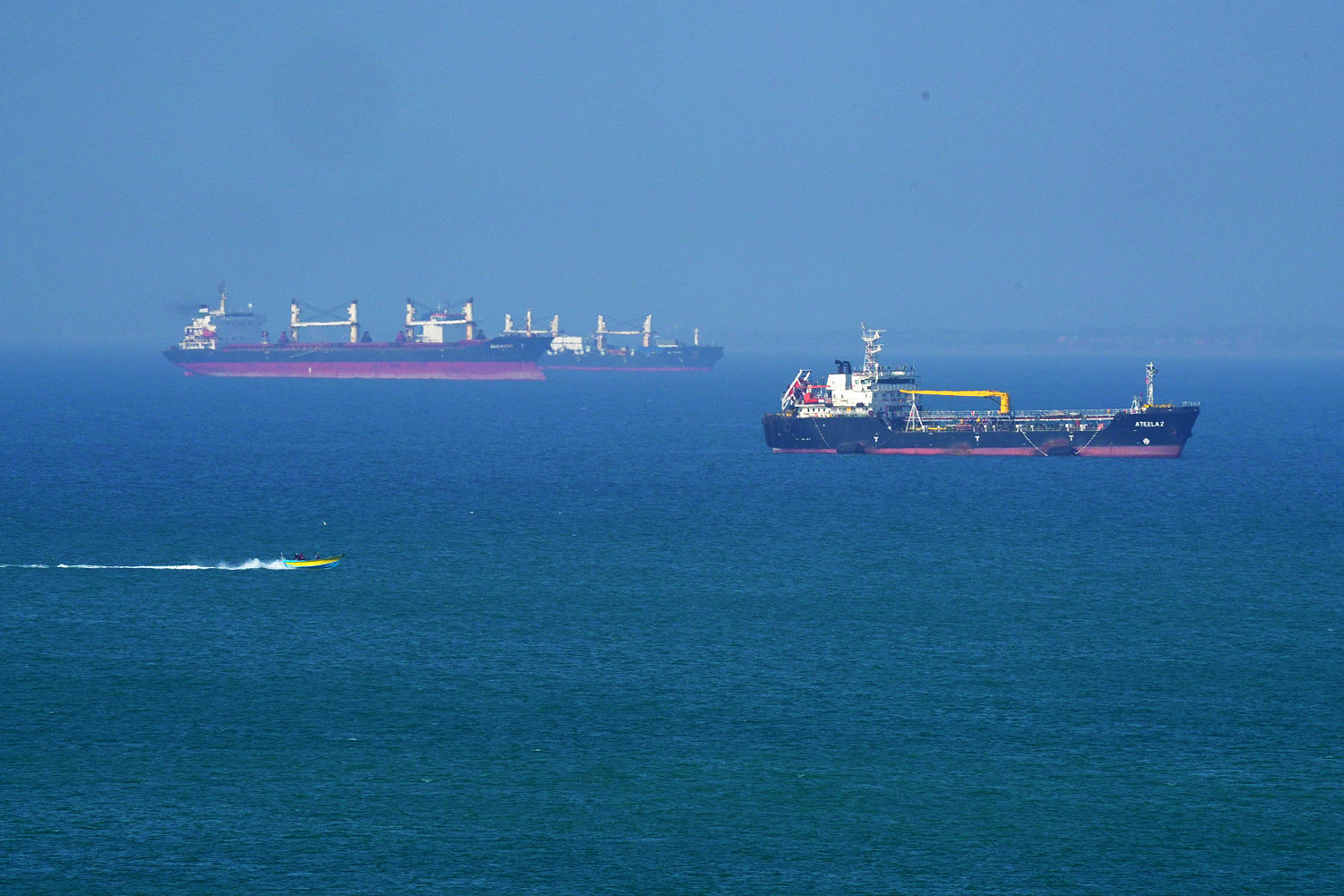
Consider a hypothetical merchant sailor, let's call him Elias, navigating a tanker through the Strait of Hormuz. For Elias, "geopolitics" isn't a word found in a textbook. It is the sight of an Iranian patrol boat cutting through the wake of his ship. It is the knowledge that a single executive decision in Washington or a policy shift in Brussels determines whether his voyage ends in a quiet harbor or a ball of fire.
When Trump slams NATO over Iran, he is tapping into this raw reality. He views the alliance’s hesitation to confront Tehran's regional influence as a betrayal of the very security they claim to uphold. The argument is simple: if NATO is meant to defend the West, and the West’s energy and security are threatened by Iranian brinkmanship, then NATO’s silence is a loud, ringing vacuum.
The friction comes from a fundamental disagreement on the definition of a threat. To many European leaders, NATO is a regional defensive pact designed to keep a specific neighbor in check. To Trump, it is a global burden-sharing agreement. If the United States is expected to provide the muscle, he expects the partners to at least provide the conviction.
The Island on the Horizon
Then the conversation took a turn that usually makes seasoned diplomats reach for their heart medication. Greenland.
It sounds like a punchline to those who view the world as a static map, unchanged since the end of the Cold War. But maps are breathing documents. Greenland is no longer just a vast expanse of ice and isolation. It is the front row of the new Arctic theater. As the ice thins, the minerals beneath and the shipping lanes above become the most valuable real estate on the planet.
When Trump renews the idea of "buying" or "acquiring" Greenland, the collective gasp from Copenhagen to DC is predictable. It feels transactional. Crude. It offends the sensibilities of those who believe nations are souls, not assets. Yet, look at the cold, hard geometry of the north. China is already there, circling the island with "Research Stations" that look suspiciously like strategic outposts. Russia is refitting Cold War bases with modern teeth.
The "threat" to Greenland isn't an invasion by sea; it is a slow, methodical acquisition of influence. Trump’s rhetoric, while jarring, highlights a terrifyingly honest realization: if the West doesn't value this land as a strategic necessity, someone else will.
The Cost of the Shield
We often talk about defense spending in terms of percentages of GDP. Two percent. It sounds like a clerical error or a rounding difference in a corporate budget. But percentages don't buy fighter jets or train infantry. Blood and iron do.
The internal logic of the Trump-Rutte meeting wasn't about the math, though the math was used as a weapon. It was about the psychological shift of responsibility. For decades, the European continent has operated under a security umbrella that they didn't have to carry. They could spend their tax dollars on robust social nets and high-speed rail while the American taxpayer funded the silos and the carriers.
That era is dying.
Rutte, a pragmatist known for his ability to navigate the egos of world leaders, finds himself in an impossible position. He must convince the most powerful man in the world that the alliance is worth the investment, while simultaneously convincing twenty-nine other nations to empty their pockets.
It is a high-stakes game of poker where the chips are the safety of cities like Tallinn, Riga, and Warsaw. If Trump decides the deal is bad, he doesn't just walk away from the table. He flips it.
The Invisible Stakes
Why does this matter to someone sitting in a coffee shop in Des Moines or a flat in Berlin?
Because the world is smaller than we want to admit. If NATO fractures over Iran, the deterrence that has kept a major war off the European continent for eighty years begins to evaporate. If the United States decides to act unilaterally in the Arctic, the legal and diplomatic frameworks of the north collapse.
We are living through the dismantling of the post-war consensus. The "rules-based international order" is a beautiful phrase that means very little when the person across the table believes the rules were written to benefit everyone but them.
The tension between Trump and the NATO leadership isn't just a clash of personalities. It is a clash of eras. One side wants to preserve the architecture of the 20th century. The other wants to bulldoze it and build something that looks more like a fortress and less like a club.
The meeting with Rutte wasn't a resolution. It was a skirmish.
As the motorcade pulled away from the curb, the questions remained hanging in the air, unanswered and heavy. Does a treaty mean anything if the will to enforce it is gone? Can you buy a country? Is an alliance a family or a business?
The hammer has been swung. We are just waiting to see what it hits.
The map of the world is being redrawn, not with the fine pens of cartographers, but with the heavy, jagged strokes of a man who sees every border as a negotiation and every ocean as a moat. The ice in Greenland is melting, and the heat in the Middle East is rising, and in the center of it all, the old guard is realizing that the shield they relied on might just be a mirror reflecting back a world they no longer recognize.