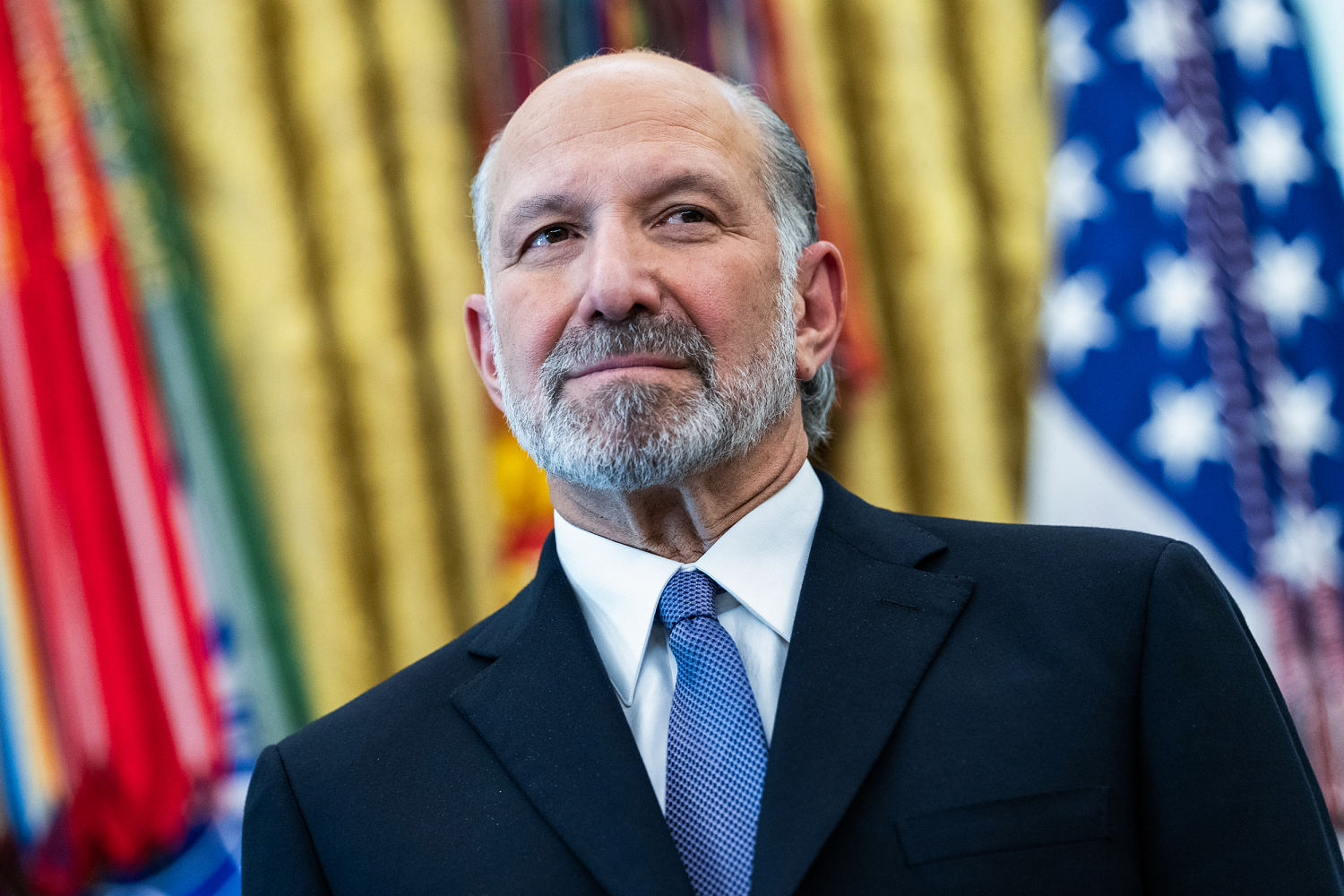
The moral grandstanding on Capitol Hill has reached a fever pitch, and as usual, everyone is looking at the wrong set of books. Howard Lutnick, the CEO of Cantor Fitzgerald and a titan of the bond markets, is being dragged through the mud because his name appeared on a flight manifest to Little St. James. The predictable narrative is already written: another billionaire caught in the Epstein web, another congressional "showdown" to "hold power to account."
It is a lazy, performative script.
While cable news anchors salivate over the prospect of a public flaying, they are ignoring the cold, hard reality of how high-stakes global finance actually functions. The obsession with a single island visit isn't just a hunt for justice; it’s a convenient smokescreen that allows regulators to ignore the systemic fragility of the markets Lutnick actually controls. If you think a 20-year-old flight log is the biggest risk Howard Lutnick poses to the American economy, you don't understand how the world works.
The Guilt by Proximity Trap
Let’s be clear: the "Island Visit" is the ultimate low-hanging fruit for a politician looking for a soundbite. It’s easy to explain to a constituent. It’s visceral. It’s scandalous. But in the circles Lutnick inhabits—the rarefied air where trillions of dollars in sovereign debt change hands—proximity to unsavory characters isn't a bug; it is a fundamental requirement of the job.
I have spent decades watching the machinery of Wall Street grind up the naive. At that level of wealth, your social calendar is managed by three layers of gatekeepers whose only job is to put you in rooms with people who have more money than you. Did Lutnick know? Maybe. Should he have known? Probably. But the idea that a single social blunder, no matter how distasteful, should be the centerpiece of a congressional inquiry into a man who oversees the plumbing of the global financial system is peak political theater.
The "lazy consensus" is that this is a character study. It isn't. It's a distraction from the fact that we have allowed the most vital components of our financial infrastructure to be concentrated in the hands of a few "too-big-to-fail" personalities.
Why the Epstein Files are a Red Herring
The media is treating the Epstein files like a smoking gun that will dismantle Lutnick’s influence. It won’t. In fact, it might actually strengthen his resolve. Lutnick didn't build Cantor Fitzgerald into a powerhouse by being thin-skinned. He rebuilt a firm after 658 of his employees were murdered on 9/11. A man who stared into that abyss is not going to be rattled by a subcommittee hearing about a plane ride.
The real danger isn't a historical association. It is the Current Market Monopoly.
Cantor Fitzgerald and its affiliates are the backbone of the Treasury market and the primary liquidity providers for Tether—the world’s most controversial and systemic stablecoin. If Congress actually wanted to do their jobs, they’d stop asking about who was on a private jet in the early 2000s and start asking about the $100 billion plus in reserves that Lutnick’s firm manages for the crypto industry’s most opaque player.
Imagine a scenario where the "Island Scandal" leads to a forced resignation or a massive withdrawal of institutional trust. The resulting ripple effect through the repo markets and the stablecoin ecosystem would do more damage to the average American’s 401(k) than any Epstein connection ever could.
The Hypocrisy of the Congressional Showdown
The members of Congress preparing their "tough" questions are the same people who take campaign contributions from the very firms they pretend to investigate. This isn't an inquiry; it's a negotiation.
They use the Epstein files to soften the target. They want Lutnick defensive. They want him to feel vulnerable so that when the conversation shifts to real policy—like capital requirements or tax loopholes—he’s more willing to play ball.
- The Politician’s Playbook: Create a moral panic to secure a legislative concession.
- The Media’s Playbook: Use a celebrity billionaire’s name to drive clicks while ignoring the boring, technical data that actually matters.
- The Reality: The "showdown" will end with a few viral clips, no actual charges, and the status quo remaining perfectly intact.
Dismantling the "Ethics" Argument
"But what about the ethics?" the critics cry.
Ethics in the world of primary dealers is a different beast entirely. You are dealing with a man whose firm handles the debt of nations. If we disqualified every financial leader who had a questionable dinner partner, we would have no one left to run the Fed. This isn't an apology for Lutnick; it’s a brutal reality check. The system is built on access, and access is inherently messy.
If we want a clean financial system, we need to change the structure of the system itself, not just find a new person to sit at the top of the pile. Attacking Lutnick for his social ties while leaving the Cantor Fitzgerald monopoly untouched is like trying to fix a sinking ship by complaining about the captain's choice of tie.
The Tether Elephant in the Room
If you want to be genuinely terrified, look at the bond between Lutnick and Tether (USDT). While the public is obsessed with the Epstein files, the real "black swan" event is hidden in the Cantor Fitzgerald balance sheets.
Cantor acts as the custodian for the vast majority of Tether’s Treasury holdings. This means Howard Lutnick is effectively the guarantor of the entire crypto economy. If Tether is the "Too Big to Fail" of the digital world, Lutnick is the man holding the keys.
- Does Congress ask about the audit standards of those reserves? No.
- Does the media investigate the counterparty risk between Cantor and offshore crypto exchanges? Rarely.
- Do we get 24/7 coverage of the potential for a liquidity crisis in the bond market? Never.
Instead, we get more Epstein files. It is the ultimate "look over there" tactic. It keeps the public angry at a person so they don't get angry at the process.
Stop Asking the Wrong Questions
The "People Also Ask" sections of the internet are currently flooded with variations of: "How many times did Howard Lutnick visit the island?"
The honest answer? It doesn't matter.
The question you should be asking is: "Why is the US Treasury market so dependent on a single private firm that we are afraid to fully investigate their systemic risks?"
We are witnessing a classic case of moral outrage being used to bypass intellectual rigor. It is easier to judge a man’s character than it is to understand a collateralized debt obligation or the mechanics of a repo squeeze. The politicians know this. They are counting on your boredom with the technical details to keep their own failures hidden.
The Scars of Survival
Lutnick is a survivor. He turned a tragedy into a business empire that dominates the most important asset class on the planet. People with that kind of "battle scar" expertise don't play by the rules of polite society. They play by the rules of power.
The downside to my contrarian view? It’s cynical. It suggests that justice for the victims of Epstein will be traded for political capital. It suggests that the "villain" in this story might actually be too integral to the global economy to ever be truly sidelined.
But truth isn't always comfortable.
Howard Lutnick isn't going anywhere because he has positioned himself at the center of the financial web. He is the plumber of the world’s money. You can hate the plumber, you can despise who he spends his weekends with, but if you fire him without having a replacement, your whole house is going to flood with sewage.
Congress isn't looking for a "showdown." They are looking for a photo op. They will bark about the island, they will post the clips to their social media feeds, and then they will go back to their offices and pray that Lutnick keeps the bond market stable so the government can keep borrowing money they can't afford to pay back.
The files are out. The names are known. And yet, the world keeps spinning on the same axis of debt and leverage. If you're waiting for this "showdown" to change the world, you’ve already lost the game.
Stop watching the flight logs and start watching the Treasury yields. That’s where the real bodies are buried.