Forget everything you know about polite, hushed museum galleries where people whisper over small canvases. The Los Angeles art scene operates on an entirely different frequency, spread across a sprawling, sun-drenched grid that refuses to be contained in a single neighborhood. If you approach L.A. looking for a neat, centralized arts district like Manhattan's Chelsea, you'll end up frustrated in traffic on the 405.
Instead, the magic here lives in the friction between high-concept contemporary institutions, gritty artist-run spaces, and commercial galleries tucked into strip malls. You have to know where to look because L.A. doesn't spoon-feed its culture to you.
The Heavy Hitters And The Spaces In Between
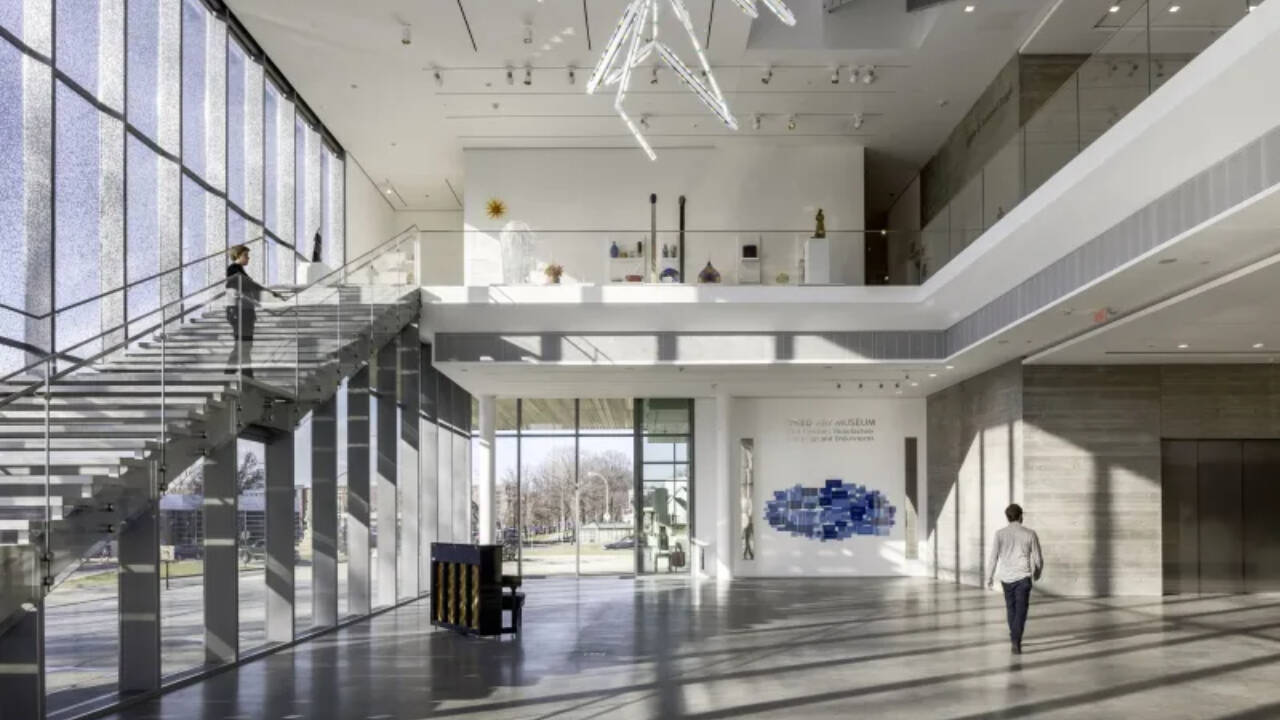
You can't talk about local culture without addressing the heavy anchors, though they're currently shifting. On Wilshire Boulevard's Museum Row, the Los Angeles County Museum of Art remains the giant of the western United States, even as its physical campus undergoes massive transformations. Sure, you'll walk past Chris Burden's iconic Urban Light installation, but the real gold is inside the Resnick Pavilion, where rotating contemporary exhibitions routinely challenge what you expect from a legacy institution.
Down in Downtown Los Angeles, the Museum of Contemporary Art holds the line as the city's only artist-founded museum. Split between its Grand Avenue main building and the industrial expanse of The Geffen Contemporary in Little Tokyo, MOCA leans hard into raw, challenging works that refuse to play it safe. Pair a trip there with a walk over to The Broad, where Eli and Edythe Broad’s massive collection of postwar pop and contemporary pieces draws crowds that prove people actually do want to see cutting-edge art, provided it comes with an Instagram-friendly infinity mirror room.
Where The Real Underground Thrives
Institutions are fine for weekend afternoons, but the pulse of the L.A. art scene beats loudest in independent commercial galleries and experimental project spaces.
Take Night Gallery in the industrial stretches near Broadway, for instance. Founded by Davida Nemeroff, it grew from a modest strip-mall storefront into a powerhouse incubator for emerging talent, famous for outdoor openings that double as community mixers. Then there is Regen Projects up in Hollywood, which has spent decades anchoring blue-chip contemporary heavyweight artists without losing its edge.
If you want to understand why young painters and sculptors flock to Southern California from all over the globe, skip the standard museum circuit for a Saturday afternoon and hit the indie gallery clusters in Hollywood, Chinatown, or Culver City. You'll find spaces operating out of converted warehouses where the artists themselves might be hanging the drywall or pouring the drinks at the opening reception.
Practical Rules For Navigating L.A. Culture
Don't try to see the whole city in a day. It's a logistical nightmare. Pick one geographic cluster and camp out there.
- The Miracle Mile Pairing: Combine LACMA, the Academy Museum of Motion Pictures, and Craft Contemporary into a single morning or afternoon walking stretch.
- Downtown Marathon: MOCA Grand Avenue, The Geffen, and the myriad private spaces in the Arts District can easily consume an entire day if you factor in coffee stops.
- Booking Secrets: Places like The Broad and the Getty Center require advance planning. Free timed-entry tickets vanish weeks ahead, though checking for last-minute cancellations on a Tuesday morning often pays off.
L.A. rewards curiosity and punishes rigid itineraries. Drop the map, pick a neighborhood with a high density of creative spaces, and see what you stumble into.