The air in the high valleys of Nepal smells of burning pine, damp wool, and something older—a thin, freezing dust that settles in the back of your throat and refuses to leave. Stand at 4,000 meters long enough, and the scale of the earth stops looking like scenery. It starts looking like an indifference.
When a traveler vanishes into the Annapurnas or the Langtang tracks, the map does not change. The snow blows across the scree. The prayer flags snap in a wind that drops the temperature thirty degrees in the span of a single heartbeat. To the mountain, a human is less than a whisper. But back home—thousands of miles away in kitchens that still smell of coffee and toast—the absence is deafening.
Ottawa recently made a quiet, heavy decision. They sent officials to Kathmandu.
Behind that bureaucratic sentence lies a machinery of grief, logistics, and desperate hope. Governments do not typically dispatch consular officers halfway across the globe for routine paperwork. They go when the ordinary channels have frayed, when families are calling every embassy desk with a voice cracked by panic, and when the physical reality of a missing Canadian citizen requires more than a phone call routed through a third-party translator.
Consider what happens when a hiker misses a check-in.
At first, there is the rationalization. Batteries die. Weather delays flights out of Lukla or Pokhara. Tea houses lack charging stations, Wi-Fi is a cruel rumor, and the mountains swallow cellular signals whole. A day passes. Then two. The family waits by the phone, telling themselves that the Himalayas are vast and wild, but people get lost for harmless reasons every single day.
Then the third day arrives. The rationalizations curdle.
This is where the machinery starts to turn. In a hypothetical scenario that mirrors dozens of real tragedies every year, imagine a solo trekker named Sarah, who set out from Besisahar with a lightweight pack and a fierce independence. She logged her permit, smiled at the checkpoint guard, and walked into the clouds. She knew the trails were well-trodden. She knew thousands pass safely each season. What the brochures fail to emphasize with enough gravity is that a single misplaced step on a loose shale slope doesn't look like a cliff until you are already falling. Or perhaps it is not a fall at all. Altitude sickness does not always announce itself with dramatic gasps for air; sometimes it creeps in as a quiet, euphoric confusion that convinces a brilliant mind to turn off the main trail and walk directly into a freezing white void.
When Ottawa steps in, they are stepping into a complex diplomatic and geographical puzzle. Nepal is a sovereign nation with its own rescue infrastructure, its own overworked police force, and its own mountain rescue associations who risk their lives daily on rotor-wash cliffs that defy common sense. Canadian consular officials do not strap on crampons and join the search party. Their job is harder, in a different way. They are the bridge between two entirely different worlds.
They sit in sterile embassy meeting rooms with local authorities, translation dictionaries, and satellite maps. They coordinate with families enduring a slow-motion nightmare across twelve time zones. They translate the dry, bureaucratic updates of foreign rescue coordinators into language that a grieving mother can bear to hear without shattering.
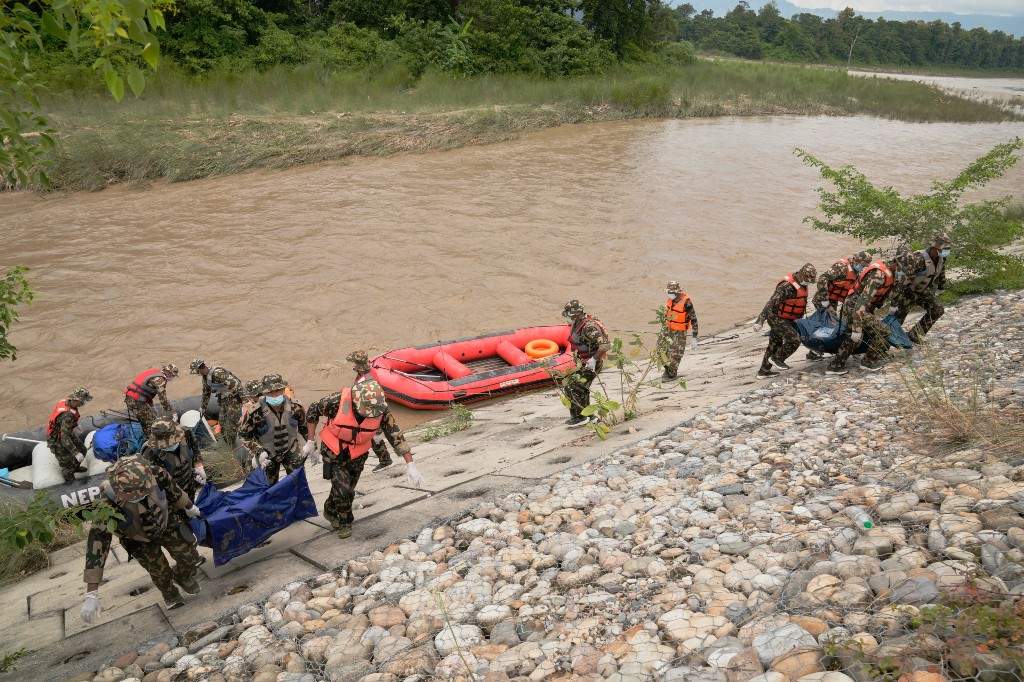
The geography of Nepal resists quick answers. Search-and-rescue operations in the Himalayas are a high-stakes gamble against weather windows that can close in minutes. Helicopters cannot fly through blinding snowstorms or high-altitude gales. Ground searchers must cover vertical miles of dense rhododendron forests, boulder fields, and glacial moraines where a person can easily slip into a crevice and remain entirely invisible from ten feet away.
Every year, thousands of Canadians travel to Nepal. They go for the transformation, the challenge, the profound silence of the high passes. Most return with windburnt cheeks, swollen storage cards full of mountain panoramas, and a new appreciation for hot shower water. They bring back stories of the incredible hospitality of the Gurung and Sherpa communities, people who will share their last cup of butter tea with a freezing stranger.
Yet the mountain keeps its tithe.
When a Canadian goes missing in these majestic, unforgiving ranges, the response from Ottawa is a reminder of what citizenship actually means when you are standing at the edge of the world. It is not just a passport in a drawer. It is an invisible thread that stretches across oceans, oceans of bureaucracy, grief, and snow, connecting a quiet kitchen in Ontario to a dusty street in Kathmandu.
The search continues. The officials are on the ground. And somewhere in the high passes, the prayer flags keep turning, offering up names to the wind.