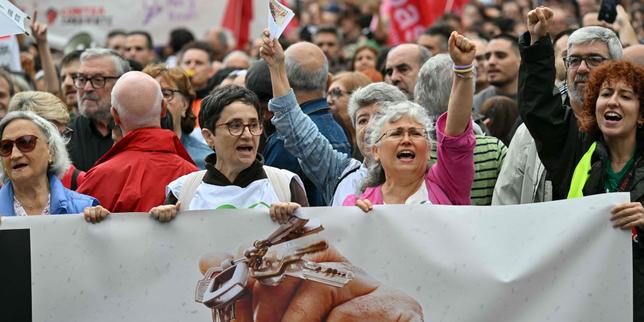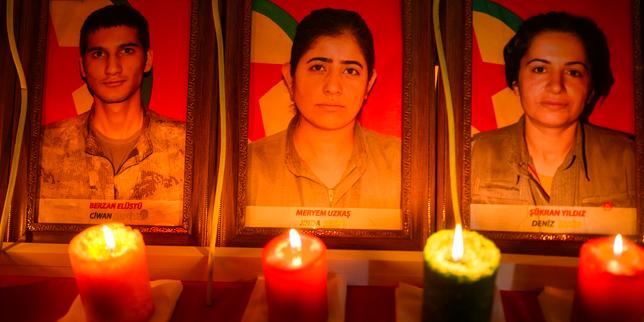
Decades of conflict leave behind more than physical ruins. They scatter families across borders, lock political futures into perpetual standstills, and transform the simple desire to return home into a radical political act. For communities linked to the Kurdistan Workers Party, known universally as the PKK, the conversation has shifted from battlefield maneuvers to a stark, human calculation. People want their living back. They want the exiles, the fighters, and the political prisoners to step foot in their native villages without handcuffs, warrants, or the persistent threat of annihilation.
The political climate surrounding this debate remains brittle. Analysts in Ankara, European capitals, and the mountains of northern Iraq watch every movement with guarded suspicion. Yet the grassroots sentiment tells a sharper story. Fatigue has set in. Generations have grown up in displacement camps, European exile, or underground cells. The demand for a peaceful reckoning is no longer just the domain of diplomats drafting white papers. It is an urgent cry from mothers, siblings, and veterans who recognize that political stagnation has an expiration date.
The Weight of Exile and the Anatomy of Return
Displacement is a slow erosion. When thousands fled southeast Turkey or crossed into neighboring regions during the peak intensities of the insurgency, many packed light, expecting a temporary absence. Decades later, that temporary absence became permanent residency in foreign cities or rugged mountain encampments.
To understand why the phrase "it is time for the living to return" carries such magnetic force, one must examine the human toll of protracted low-intensity warfare. Whole generations have lived their entire lives under the shadow of state security decrees and emergency laws. Returning home is rarely a simple matter of booking a bus ticket. It involves navigating an intricate labyrinth of anti-terror legislation, legal limbo, and deep-seated state mistrust.
State authorities view any organized homecoming through a narrow lens of security threat assessment. Prosecutors look at past associations, speech acts, and remote affiliations through sweeping legal statutes that treat political dissent and armed insurgency as interchangeable. This creates an impossible paradox. The government frequently calls for normalization and the rule of law, yet maintains a legal framework that criminalizes the very individuals needed to make normalization credible.
Meanwhile, communities on the ground experience a profound demographic and cultural shift. Villages emptied by security operations decades ago remain ghost towns or militarized zones. Rebuilding houses requires capital that local populations do not possess, alongside permits that local administrations are rarely inclined to issue. The physical landscape itself bears the scars of a conflict that institutionalized absence.
Geopolitical Calculations and Regional Realities
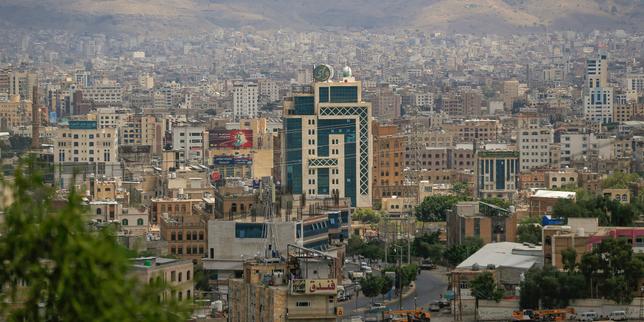
Beyond the village level, the calculus extends across borders. The PKK operates within a complex regional matrix that stretches from the Qandil Mountains to the Syrian borderlands and diplomatic hubs in Europe. Every regional player—from the central government in Ankara to regional authorities in Erbil and international actors in Washington and Brussels—has a stake in how this drama unfolds.
State strategy has historically relied on containment and military pressure. Drones patrol border skies, and cross-border operations disrupt logistical lines. Yet military dominance has not erased the underlying political grievances. Insurgencies rooted in ethnic identity, cultural marginalization, and regional underdevelopment cannot be bombed into permanent submission. They require political settlements that address structural inequality.
Observers point out that previous peace processes collapsed because both sides lacked the political resilience to withstand spoilers within their own ranks. Hardliners on both sides profit from perpetual conflict. For state nationalists, the insurgency justifies expansive security measures and centralized control. For militant factions, state oppression validates the necessity of armed struggle. Breaking this vicious cycle requires a constituency for peace that is strong enough to sideline extremists on both flanks.
Economic factors further complicate the landscape. Southeast Turkey suffers from chronic underinvestment, high youth unemployment, and a brain drain toward western metropolitan areas or Europe. A genuine peace process would unlock economic potential, turning a peripheral security zone into a bridge for trade and cultural exchange with the broader Middle East. Instead, resources continue to flow toward defense budgets and security infrastructure, starving the region of the investments required to build a sustainable future.
The Human Factor Behind the Headlines
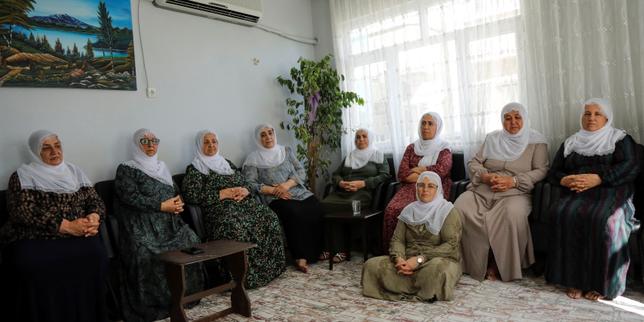
Statistics rarely capture the texture of daily survival. Talk to families in Diyarbakir, Van, or Hakkari, and the conversation quickly turns to missing pieces at the dinner table. A son who left for the mountains thirty years ago. A sister serving a lengthy sentence under dubious terrorism charges. An aging parent whose dying wish is to be buried in ancestral soil rather than a municipal cemetery in a foreign land.
These personal narratives form the bedrock of the current push for a dignified resolution. Dignity is not an abstract diplomatic concept; it is the right to speak one's native language in public administration, the right to remember history without state censorship, and the right to walk down a street without being profiled as a security risk.
Civil society organizations, despite facing relentless legal harassment, continue to document human rights violations and advocate for legal reforms. Lawyers take on politically sensitive cases knowing full well the professional and personal risks involved. Journalists—those who manage to operate outside the suffocating grip of state-aligned media—persist in digging into the systemic causes of the unrest.
The friction between legal theory and street-level reality creates a permanent state of tension. When courts hand down harsh sentences for non-violent political expression, they send a clear signal that dissent remains costly. Yet the persistence of underground networks and diaspora solidarity groups demonstrates that repression alone fails to extinguish collective memory or political identity.
Navigating the Gray Areas of Reconciliation
True reconciliation is messy. It does not arrive with a single treaty signing or a staged handshake in front of international cameras. It demands difficult compromises that will anger purists on all sides. Victims of violence must see justice, yet the state must also offer amnesty or reintegration pathways for those who laid down arms. History shows that transitions from insurgency to legitimate political participation are fraught with setbacks.
Consider the Northern Ireland peace process or the Colombian transition. Neither path was smooth or linear. Both required immense political courage, back-channel negotiations, and a willingness to tolerate fierce domestic criticism. In the Turkish context, leaders have repeatedly shown a reluctance to absorb these political costs, preferring the temporary stability of coercion over the long-term transformation of genuine reconciliation.
The international community plays a contradictory role. European nations shelter political exiles while simultaneously cooperating with Ankara on counter-terrorism and border management. This double game leaves Kurdish activists feeling used as diplomatic leverage rather than supported as champions of human rights. Western governments issue occasional statements expressing concern over democratic backsliding, but strategic interests invariably trump humanitarian concerns.
As the region moves forward, the pressure from below will only intensify. Demographics are shifting. A younger generation, less tethered to the trauma of the 1990s but equally frustrated by current economic dead ends, is finding new ways to organize and make its voice heard. They are utilizing digital platforms, cultural arts, and grassroots community networks to bypass traditional political gatekeepers.
The demand for a dignified peace is not fading into the background. It remains the central unresolved question of modern Turkish politics. Until the state finds a way to accommodate its largest minority without viewing them through an existential threat matrix, the cycle of tension will persist. The living are waiting, and their patience is wearing thin