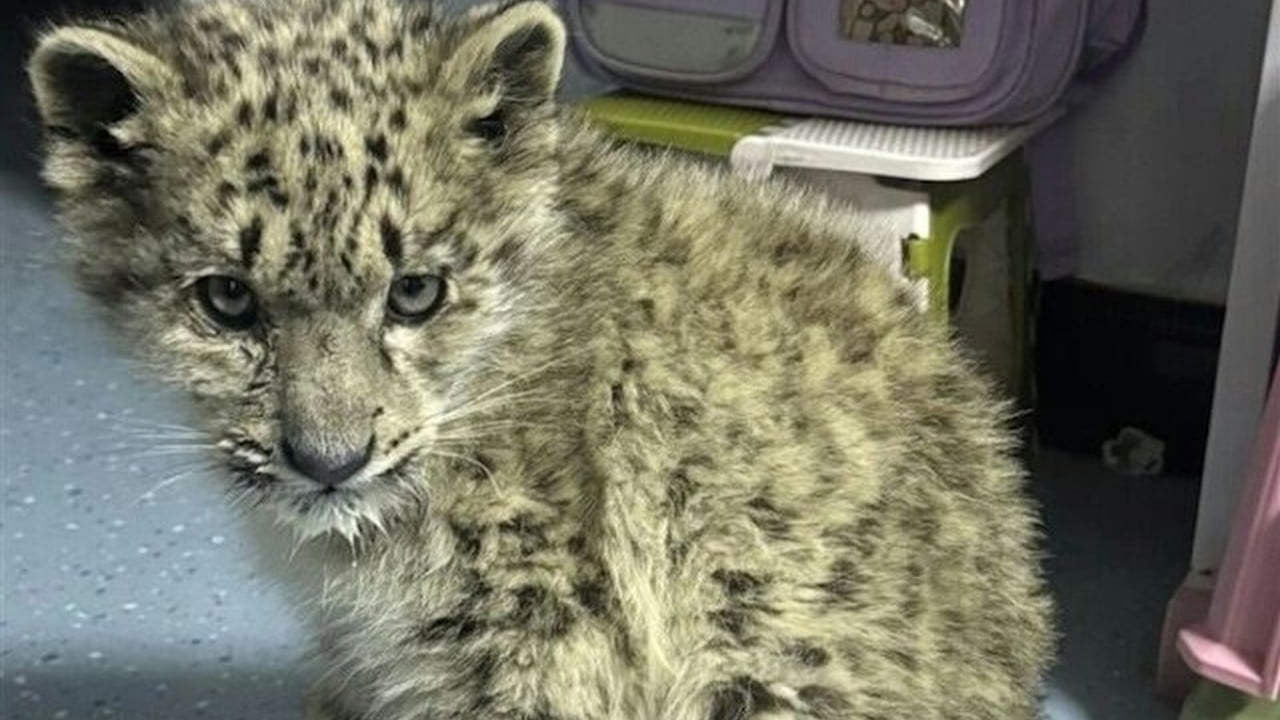
Twenty-six days isn't long enough to raise a ghost cat. Yet when news spread in China that snow leopard cub Ling Xiaohan didn't make it past those first four weeks, millions of people felt a quiet ache they hadn't expected.
A single tiny cub can't fix mountain ecology on its own. Still, people care about Ling Xiaohan because the loss hits right at the intersection of fragility and hope. When a rare snow leopard cub struggles for nearly a month, you start rooting for every breath, every ounce gained, every quiet win behind closed doors. Then comes the heartbreak.
Honestly, I've watched enough wildlife stories over the years to know how easily grief turns into either blind sentimentality or total cynicism. Neither helps. What actually matters is understanding why infant snow leopards are so precarious in the first place, what rescue and veterinary teams face when a cub goes into critical care, and what the rest of us can realistically do when a story like Ling Xiaohan's breaks our hearts.
Why a Snow Leopard Cub Fight for Life Is So Fragile
People often picture big cats as indestructible apex predators. That's a mistake, especially with snow leopards (Panthera uncia).
Out in the high mountains of Central and South Asia, snow leopards live in cold, steep, rocky terrain where temperatures drop fast and food takes serious ground to find. A newborn cub enters that world blind, helpless, and utterly dependent on its mother's milk, warmth, and protection. Even in healthy wild populations, early-life mortality is high. Harsh weather, predation, disease, and mothers getting injured or separated all take a toll before cubs ever reach independence.
When a snow leopard cub is rescued or placed in specialized care, the odds don't magically flip in its favor. Neonatal big cats are notoriously delicate. Tiny shifts in body temperature, dehydration, digestive upset, or underlying infections can snowball in hours.
In my experience reading wildlife rehab reports and talking with conservationists, the hardest part of neonatal care is how little margin for error exists. You can't just hand a fragile cub a bottle and hope for the best. Formula balance, feeding intervals, ambient warmth, hygiene, and stress reduction all have to line up day after day. Surviving 26 days shows real effort and resilience, even when the outcome is devastating.
What Grief in China Reveals About Public Connection to Wildlife
When a story like Ling Xiaohan's trends across social media in China, it tells you something real about how urban audiences relate to remote mountain wildlife. Most people will never walk the high ridges of Qinghai, Sichuan, or Xinjiang, or spot a snow leopard through a spotting scope. Yet a named cub gives a distant conservation issue a face.
That emotional connection is a double-edged sword. On one hand, public grief shows people aren't numb to biodiversity loss. Folks notice when a rare animal dies. They ask questions about how the cub was cared for, what caused the decline, and whether conservation programs are doing enough.
On the other hand, internet grief can easily curdle into blame games or armchair veterinary verdicts. Social feeds move fast, and rumors spread faster than verified medical facts. You'll see people second-guessing caregivers from thousands of miles away without knowing a single lab result or clinical constraint.
Let's be real about that. Care teams working with critically ill wildlife usually face agonizing trade-offs. Every intervention carries risk, and sometimes an animal is already compromised before human help even arrives. Mourning the loss makes complete sense. Turning grief into unfair attacks on people trying to save a fragile life doesn't.
Big Misconceptions About Snow Leopard Conservation
Whenever a high-profile wildlife loss makes headlines, a few myths pop up right on cue. Clearing them up won't bring a cub back, but it keeps our energy focused on things that actually move the needle.
- Myth one: Captive care or rescue centers can replace wild recovery. They can't. Zoos, breeding programs, and wildlife rescue centers play valuable roles in research, public education, and occasional emergency care, yet wild snow leopards depend on intact mountain corridors, healthy prey populations like blue sheep and ibex, and safe coexistence with herders.
- Myth two: Snow leopards are doing fine because they occasionally show up on camera traps. Camera traps are awesome tools, and better monitoring has helped researchers estimate populations more accurately. Still, seeing a cat on a camera doesn't mean the population is secure. Habitat fragmentation, climate shifts, retaliatory killings after livestock losses, and poaching remain real pressures.
- Myth three: Caring means donating to the loudest viral appeal. Viral posts don't always align with on-the-ground science. Credible conservation takes years of community trust, livestock protection work, anti-poaching patrols, and ecological research. Flashy campaigns come and go; steady field work keeps mountains livable.
For reliable background on snow leopard ecology, threats, and range-wide conservation, the Snow Leopard Trust and the IUCN Red List offer clear, science-grounded resources without sensationalism.
What Makes High-Altitude Wildlife Work So Complex
If you've ever spent time in high-mountain environments, you know how unforgiving the terrain is. Thin air, jagged rock, sudden weather swings, and long distances between communities make every logistical step slower and harder.
Wildlife conservation in those regions isn't just about animals. It's deeply tied to human livelihoods. Herders grazing livestock on high pastures live right alongside predators. When a snow leopard kills a sheep or goat, that isn't an abstract statistic to a family whose income depends on the herd. Good conservation programs recognize that tension and work with local communities on predator-proof corrals, insurance mechanisms, and sustainable income options.
Meanwhile, researchers and veterinarians deal with limited baselines. Wild snow leopards are elusive by nature—hence the "ghost of the mountains" label—so exact health data on wild newborns is scarce. Scientists have to piece together evidence from field surveys, genetics, camera traps, and clinical records when animals are examined or treated.
That gap in data is worth being honest about. Sometimes we simply don't have complete answers to why an individual cub didn't survive, even when experts look closely. Admitting uncertainty isn't weakness; it's basic scientific honesty.
Turning Heartbreak Into Practical Action
Feeling sad about Ling Xiaohan doesn't require grand gestures, and it definitely doesn't require pretending you have all the answers. If you want your care to count for something real, keep it grounded.
- Follow verified conservation groups and scientific updates. Look for organizations that publish transparent program reports, peer-reviewed research, or clear explanations of field challenges rather than pure emotional clickbait.
- Support community-based coexistence projects. Programs that help herders protect livestock and reduce conflict tackle one of the root drivers of human-wildlife tension in snow leopard range countries.
- Skip the pile-ons online. When a heartbreaking wildlife story breaks, pause before sharing unverified blame. Ask what credible sources actually confirm, and keep the focus on long-term protection.
- Stay curious about local ecosystems. Caring about a snow leopard thousands of miles away is great, and paying attention to habitat and wildlife protection closer to home builds the same habit of stewardship.
Ling Xiaohan's 26 days were brief, sharp, and unforgettable to everyone who followed the story. Carry that empathy forward into steady, clear-headed support for the mountains and wildlife that still have a fighting chance.