The corridors of Westminster are built to muffle sound. Thick carpets, heavy oak doors, and centuries of protocol ensure that even the most furious political storms sound like a soft murmur by the time they reach the public gallery. But every now and then, a piece of paper lands on a desk in Whitehall that carries a silence so heavy it shakes the room.
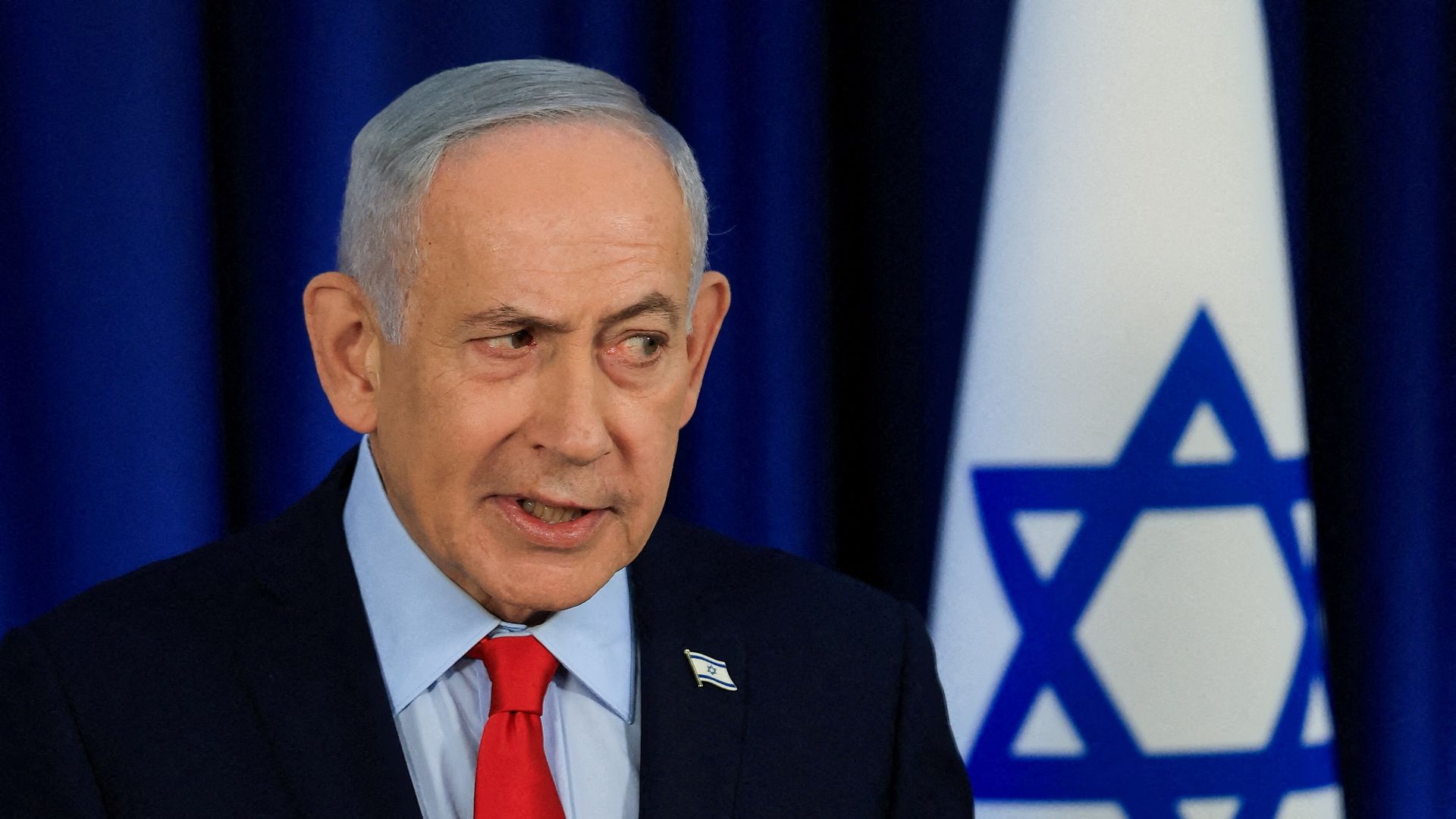
A cross-party coalition of British lawmakers recently signed their names to such a document. They sent a direct, uncompromising demand to the Foreign Secretary. The demand? Impose sanctions on Israeli Prime Minister Benjamin Netanyahu. If you liked this piece, you should look at: this related article.
The grounds for this request do not stem from abstract diplomatic disagreements or routine political posturing. They rest on harrowing, documented accounts of systematic abuse, detention, and what international observers have explicitly categorized as the torture of Palestinian civilians.
To understand how a demand this unprecedented arrived at the heart of British power, we have to look past the sterile language of diplomatic communiqués. We have to look at what happens when international law stops being a grand ideal and becomes a question of political will. For another angle on this development, see the latest coverage from NBC News.
The Weight of the Evidence
Imagine an ordinary room. Not a battlefield, but a concrete cell where the passage of day and night is marked only by the shifting of shadows under a door. For thousands of civilians swept up in waves of detentions, this has been the reality. Human rights organizations, legal observers, and whistleblowers from within medical and military institutions have spent months compiling testimonies. They describe blindfolds left on for weeks. They describe tight zip-ties that cut into bone, leading to amputations. They describe psychological terror designed to break the human spirit.
These are not casualties of stray gunfire or collateral damage from an airstrike. These are deliberate, controlled actions taking place away from the front lines.
When British Members of Parliament read these reports, the abstraction of foreign policy vanishes. A legal obligation takes its place. The UK possesses a specific legal mechanism designed precisely for these moments: the global human rights sanctions regime. It is a tool meant to freeze the assets and restrict the travel of individuals responsible for gross human rights violations.
For years, Western governments have used these measures against warlords, authoritarian ministers, and military generals in fractured states. The tool exists to send a message that the international community sees, remembers, and punishes cruelty.
But applying that same standard to the leader of a major Western ally changes the calculus entirely. It tests whether the law applies to everyone, or only to those we already consider adversaries.
The Choice on the Foreign Secretary’s Desk
The Foreign Secretary’s office is a place of perpetual balancing acts. Every decision is weighed against trade agreements, intelligence-sharing partnerships, and strategic alliances. For decades, British foreign policy in the Middle East has operated under a quiet assumption: maintain access, express concern behind closed doors, and avoid unilateral actions that could permanently sever ties with Tel Aviv.
But the pressure from backbenchers and opposition benches alike suggests that this old consensus is fracturing. The MPs behind the push argue that quiet diplomacy has failed to yield results. When civilian infrastructure is leveled and detainees return with severe physical and psychological trauma, the policy of polite concern begins to look less like diplomacy and more like complicity.
Consider the political risk these lawmakers are taking. To call for sanctions against a sitting prime minister of an allied nation is to invite immediate, fierce pushback. Critics accuse them of grandstanding, of damaging vital security relationships, or of ignoring the immense pressures of an ongoing conflict.
Yet, the momentum behind the demand is growing. It reflects a deeper shift among the British public, where the daily reality of the conflict has been broadcast directly to millions of smartphones. The distance between London and the Middle East has shrunk. The voters writing to their MPs are not asking for vague statements of hope; they are demanding tangible accountability.
The Fiction of Neutrality
We often treat international law as if it were a self-executing code, a machine that runs on its own logic. It is not. It is a fragile agreement written on paper, entirely dependent on the courage of governments to enforce it. When those governments look away because enforcement is politically inconvenient, the law itself begins to erode.
The argument for sanctioning leadership is rooted in the concept of command responsibility. In any structured military or state apparatus, abuses of a systemic nature do not happen in a vacuum. They happen because of a culture established at the top, a lack of oversight, or an explicit policy of impunity. By targeting the apex of leadership, British MPs are asserting that accountability cannot stop at the prison guards or the low-ranking soldiers. It must reach the offices where policy is made.
This leaves the British government in a profoundly uncomfortable position. To reject the call out of hand is to signal that certain world leaders are above the mechanisms of international justice. To accept it would trigger a diplomatic crisis that would reshape Britain's geopolitical standing for a generation.
There is no middle ground left that satisfies both the demands of conscience and the habits of traditional statecraft.
The letters on the Foreign Secretary's desk will not simply disappear into a filing cabinet. They represent a fundamental question about what Britain stands for on the global stage. If the global human rights sanctions regime is to mean anything more than a political weapon used selectively against convenient targets, it must be capable of turning its gaze toward friends as well as enemies. The decision eventually made in the quiet offices of Whitehall will show whether international law is a shield for the vulnerable, or merely a luxury for the powerful.