Five years have passed since the Taliban swept back into Kabul. For millions of Afghan women and girls, that milestone doesn't mark just a timeline. It marks half a decade of systematic erasure.
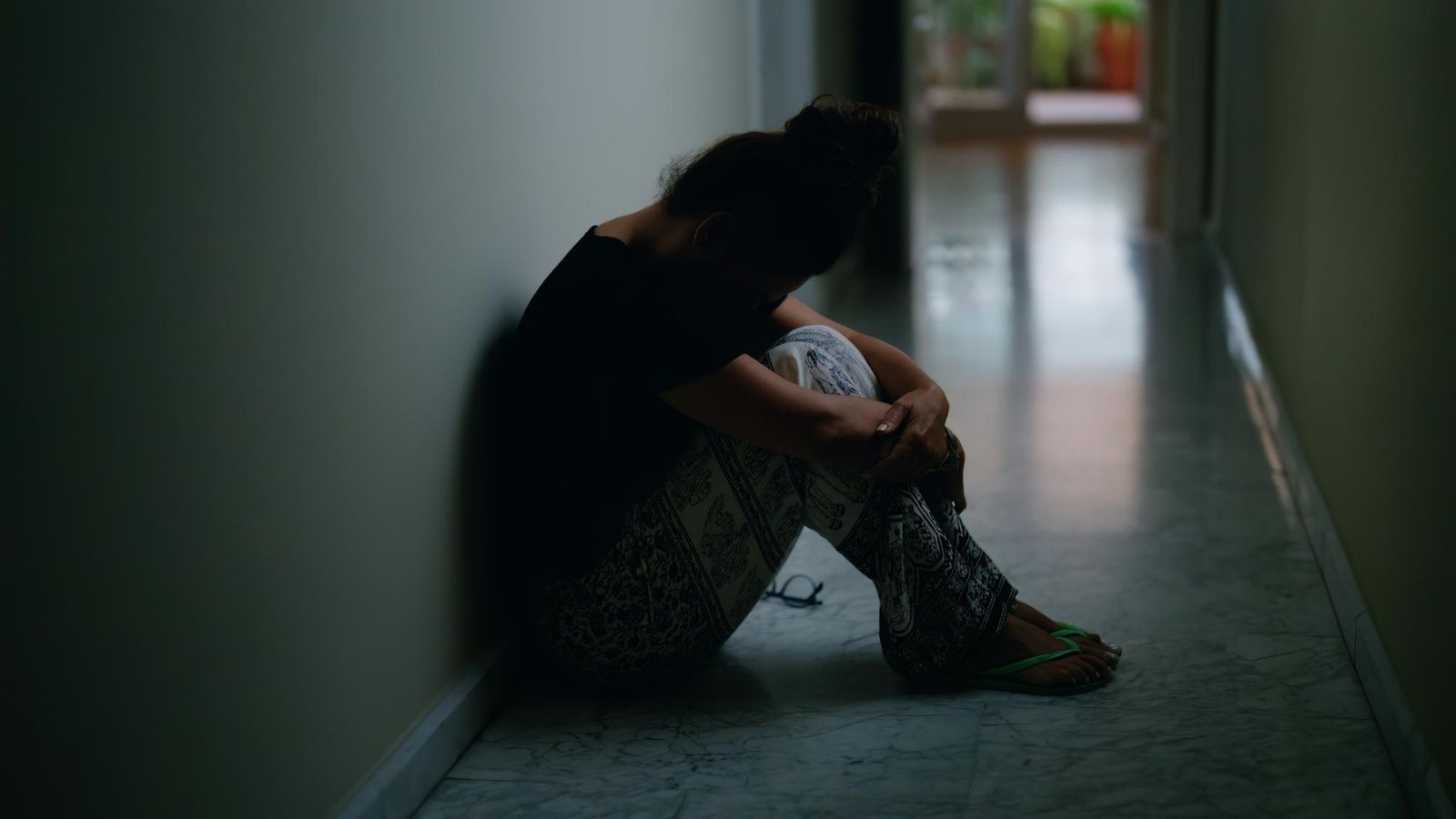
When global news cameras catch up with women speaking out through networks like the BBC, the picture they paint is stark. You aren't just hearing about closed university gates or banned beauty salons. You are listening to accounts of complete confinement.
The Reality Behind Closed Doors
Let's clear up what's happening on the ground. The restrictions didn't stop at high schools or workplaces. They bled into every corner of daily existence.
Girls older than twelve can't step into a traditional classroom. Women can't walk into public parks, visit gyms, or travel beyond seventy kilometers without a mandatory male chaperone, known as a mahram. Even medical access has turned into a logistical nightmare. Because women are largely barred from working outside specific, heavily restricted roles, finding a female doctor has become nearly impossible for many families.
The economic fallout is brutal. Households stripped of their primary female breadwinners are starving. When you lock half the population out of the economy, poverty explodes.
Acts of Quiet Defiance
Human resilience doesn't just vanish because a regime decrees it. Behind drawn curtains, underground schools operate with high stakes. Teachers risk imprisonment, beatings, or worse to hand out math books and science notes to young girls desperate to learn.
Outside the country, exiled groups are fighting back in their own ways. Athletes who managed to escape during the chaotic evacuations are organizing. International bodies like FIFA have even adjusted rules to recognize exiled female Afghan squads so they can keep playing under their nation's banner. It's a symbolic lifeline, but it keeps the flame alive.
Yet, inside Afghanistan, the psychological toll is staggering. Women talk about living in a state of virtual house arrest. The international community keeps debating whether to talk to the regime or isolate it further, but those diplomatic chess games do little to stop the immediate suffering happening inside residential compounds.
If you want to understand the true cost of these past five years, look past the political statements. Look at the generation of doctors, engineers, and artists forced into silence, and the quiet, dangerous ways they try to keep their futures alive.