Twelve people died Friday in southern Lebanon because a ceasefire exists only on paper. If you’ve been following the news, you know the term "ceasefire" usually implies a break in the killing. Not here. Not today. Despite a U.S.-brokered deal meant to halt the violence until May 17, Israeli warplanes just leveled residential blocks in Habboush and Zrariyeh. It's the same grim pattern we've seen since this specific conflict flared up again in March 2026.
I’ve watched these "de-escalation" efforts crumble for weeks. The reality on the ground isn't a pause; it's a slow-motion annexation disguised as a security operation. While diplomats in D.C. talk about "good faith negotiations," families in the Nabatieh district are digging their neighbors out of the concrete.
The Habboush Strike and the One-Hour Warning
Let’s look at what actually happened in Habboush. The Israeli military issued an evacuation order. They told people to get at least 1,000 meters away from the town center. Then, less than 60 minutes later, the missiles hit.
You can’t evacuate a town in an hour. You can’t move the elderly, the disabled, or even pack a bag in that timeframe. Eight people died in that single set of strikes, including a child and two women. Another 21 are in the hospital. The IDF claims they’re acting "forcefully" because Hezbollah violated the truce. Hezbollah says they’re defending against an illegal occupation. Meanwhile, the people caught in the middle are the ones paying the bill.
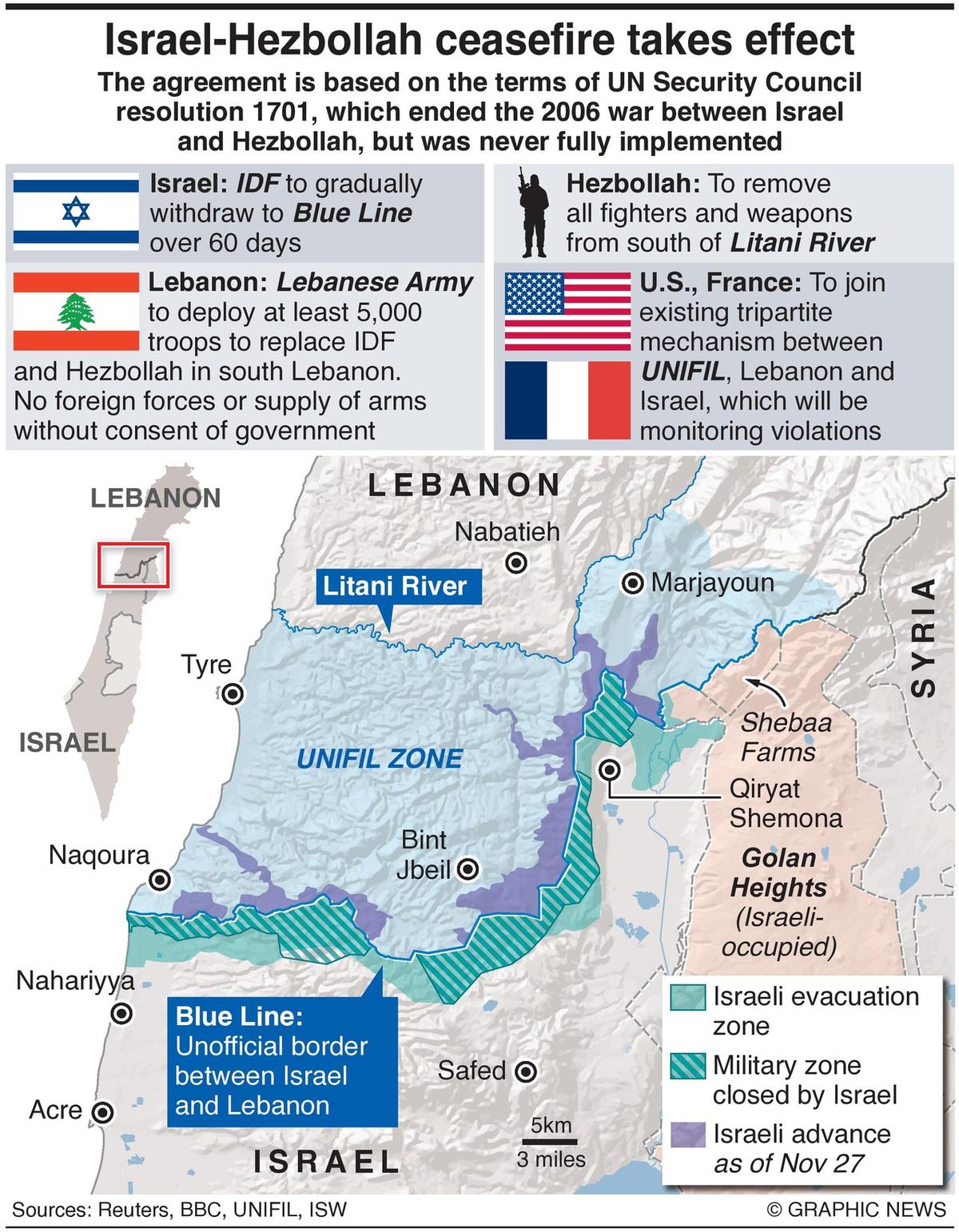
The destruction wasn't limited to Habboush. In Zrariyeh, four more people were killed. We aren't talking about military outposts or hidden bunkers here. We're talking about houses, a school, and even a convent. This isn't "targeted" in any sense that a normal person would understand. It's a systematic flattening of the landscape south of the Litani River.
The Numbers Nobody Wants to Admit
If you think this is just a bad day, look at the broader data. Since the ground incursion resumed on March 2, 2026, the toll has become staggering.
- Total Deaths: 2,618
- Total Wounded: Over 8,094
- Displaced: More than 1.2 million people
That’s roughly 20% of Lebanon’s population forced out of their homes. This isn't a border skirmish. It's a demographic shift. Israel is pushing a "Yellow Line" model, similar to what they did in Gaza. They want a 3-4 kilometer deep buffer zone that is completely empty of Lebanese life.
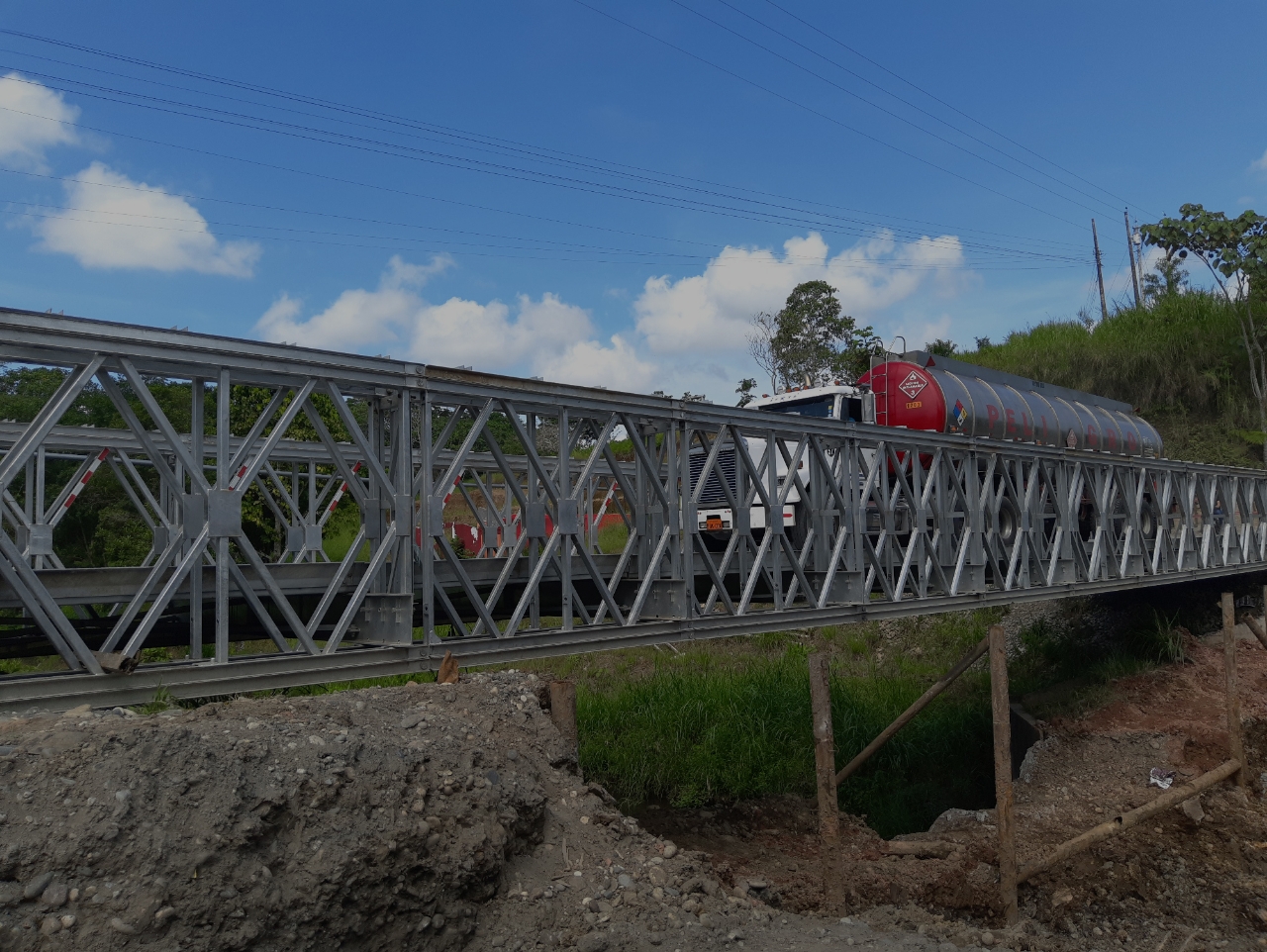
Most news outlets are too scared to call it what it is: an occupation. Israel currently holds territory in the south and has blown up the main bridges over the Litani River to keep the region isolated. They’re creating a "dead zone" where nothing grows and nobody lives.
Why the Diplomatic Track is Failing
You might wonder why the U.S. and other powers can't stop this. Honestly, it's because the Lebanon war is now a side-show to the bigger conflict with Iran.
Last month, Secretary of State Marco Rubio hosted talks in D.C. between Israeli and Lebanese ambassadors. It was the first high-level meeting since 1993. It went nowhere. Israel demanded Hezbollah disarm completely before they’d even think about pulling back. Lebanon demanded an immediate withdrawal.
The biggest problem is the "ceasefire" itself. Iran and Pakistan think the truce they brokered in April covers Lebanon. Israel and the U.S. say it doesn't. While the "big players" argue over definitions, the air strikes continue. It's a legal loophole that costs twelve lives a day.
The Strategy of Forced Evacuation
There’s a specific cruelty to the "warning" system being used. When the IDF posts an evacuation order on social media, they know the electricity is spotty. They know the internet is down in half the villages. They're basically checking a legal box so they can claim they followed international law while still hitting the target before people can escape.
I’ve seen reports of the Lebanese Civil Defense searching through the rubble in Tyre. The footage is horrific. Entire neighborhoods in towns like Bint Jbeil aren't just damaged—they're gone. Flattened. They’re using heavy ordnance on residential areas because they claim Hezbollah uses them for cover. Even if that’s true, the "proportionality" of the response is non-existent.
What You Need to Watch For
Don't expect the May 17 deadline to bring peace. This "truce" has been extended before, and every time it is, the fighting actually intensifies. Both sides are trying to gain as much ground as possible before a permanent line is drawn.
If you're looking for signs of a real shift, watch the Litani River bridges. Until those are rebuilt and the "buffer zone" is abandoned, Lebanon is effectively a partitioned country.
Stay informed by checking the Lebanese Ministry of Public Health's daily reports. They are currently the most reliable source for casualty figures. If you want to help, look into the UN's Flash Appeal for Lebanon; they’re trying to raise $308 million for the 1.2 million people who have nowhere to go.
The situation isn't "complex"—it's a brutal war of attrition where the civilians are the only ones losing. Don't let the word "ceasefire" fool you into thinking the killing has stopped. It hasn't. It just got rebranded.