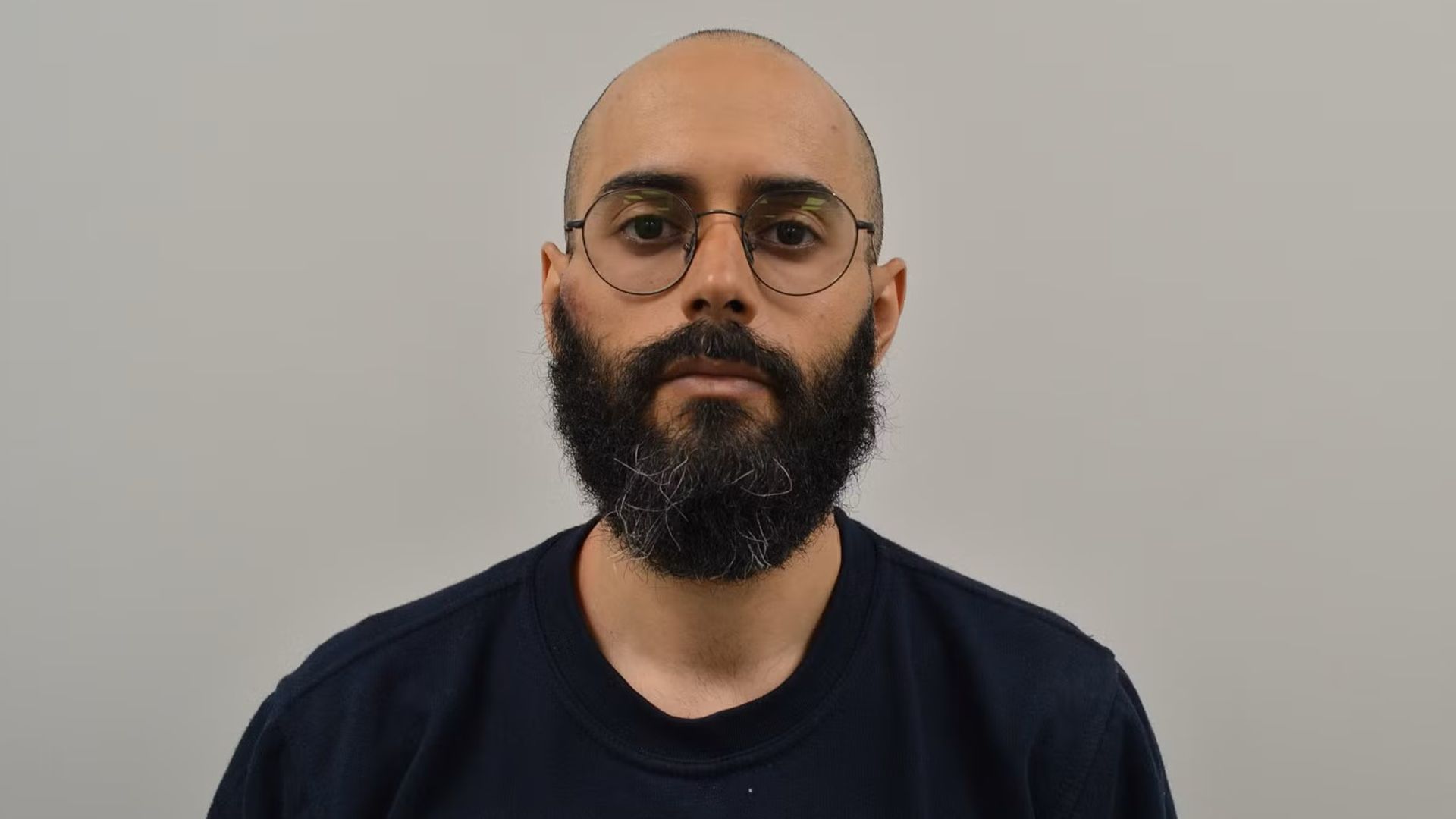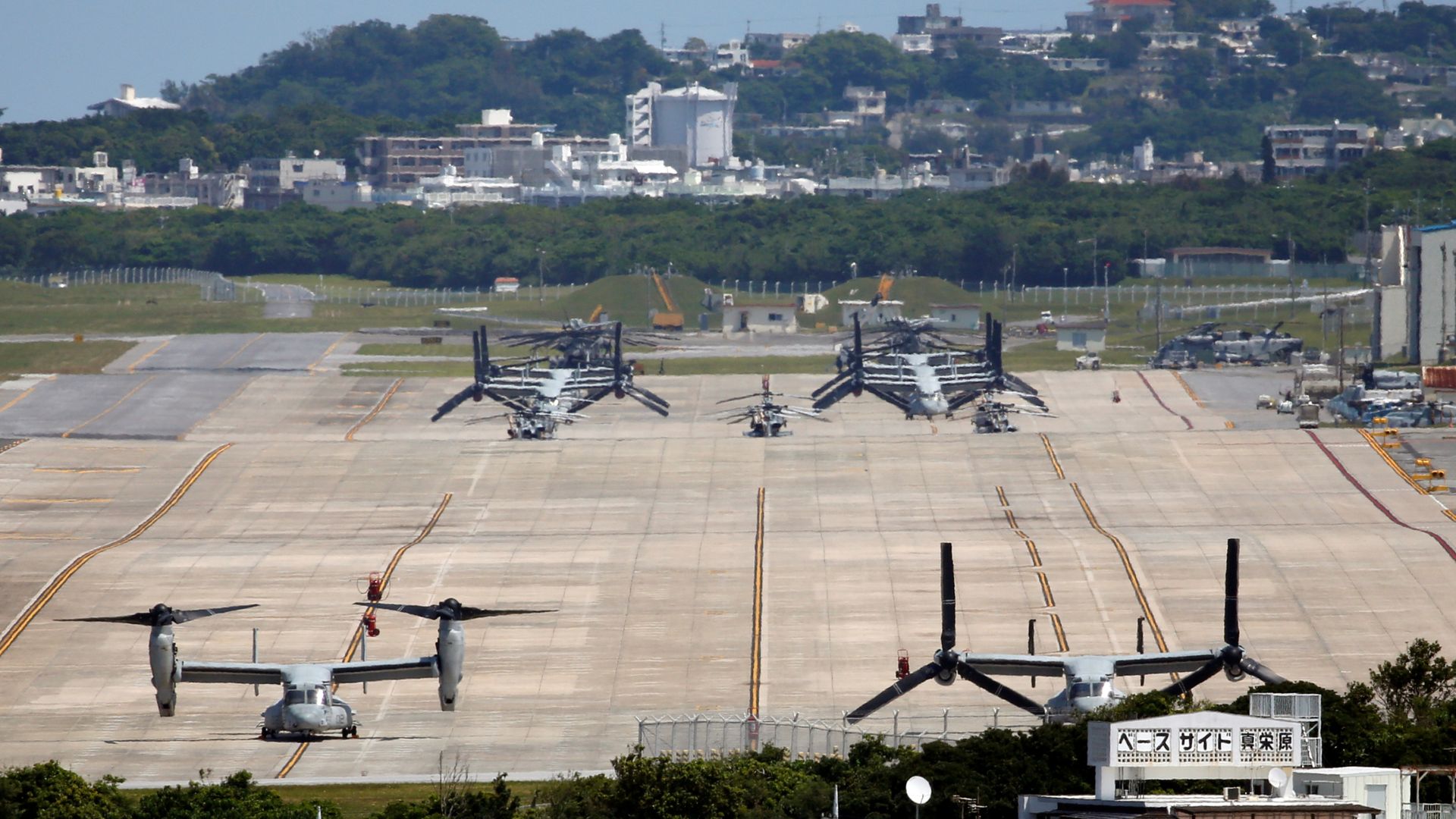
When a local woman named Anna Yagi was found strangled at a hotel on the island of Okinawa, the reaction across Japan wasn’t just shock. It was a familiar, heavy exhaustion. Japanese authorities arrested Lance Cpl. Devin Jacob Ballard, a 20-year-old active-duty US Marine stationed at Marine Corps Air Station Futenma, on suspicion of murder and robbery.
Prime Minister outspokenly called the crime exceptionally brutal, and the ripple effects immediately shook the delicate architecture of the US-Japan security alliance.
If you look at the map of Okinawa, you instantly understand why these incidents carry such explosive political weight. The island bears roughly 70% of all US military infrastructure in Japan, despite accounting for a tiny fraction of the country's total landmass. For decades, residents have lived alongside the constant roar of aircraft, the economic footprint of thousands of service members, and a persistent underlying tension.
Every time a major crime occurs, it triggers massive protests. It revives long-standing demands from local communities to slash troop numbers or remove the bases entirely. People ask why a foreign military presence should come at the cost of local safety.
Following the indictment, officials in Washington and Tokyo rushed to contain the fallout. They announced plans to expand community education and launch an overhauled orientation program for incoming military personnel. The US military base leadership also slapped immediate restrictions on liberty, including curfews and junior enlisted alcohol bans, trying desperately to clamp down on off-duty behavior.
But critics argue that curfews and updated PowerPoint orientations treat symptoms rather than the root disease. Under the Status of Forces Agreement, or SOFA, the handling of American military personnel accused of crimes on Japanese soil has always been a lightning rod. Local activists point out that leaving critical custody decisions largely to US discretion leaves Japanese citizens feeling like justice takes a backseat to geopolitical convenience.
Statistically, the vast majority of service members complete their deployments without incident. Military defenders are quick to note that troops represent a small slice of the broader American demographic. Yet, numbers matter little when a single violent crime shatters public trust. When an overseas deployment goes catastrophically wrong, the diplomatic damage lingers for years.
The legal proceedings for Ballard will move forward through the Japanese judicial system following his indictment. Meanwhile, Okinawa is left dealing with the emotional and political fallout of a tragedy that could have been avoided.
Pressure is mounting on both governments to move past temporary band-aids. True accountability requires a hard look at how service members interact with local populations outside the perimeter fence. Until systemic changes address the friction between host communities and foreign garrisons, every new deployment remains a powder keg waiting for a spark.