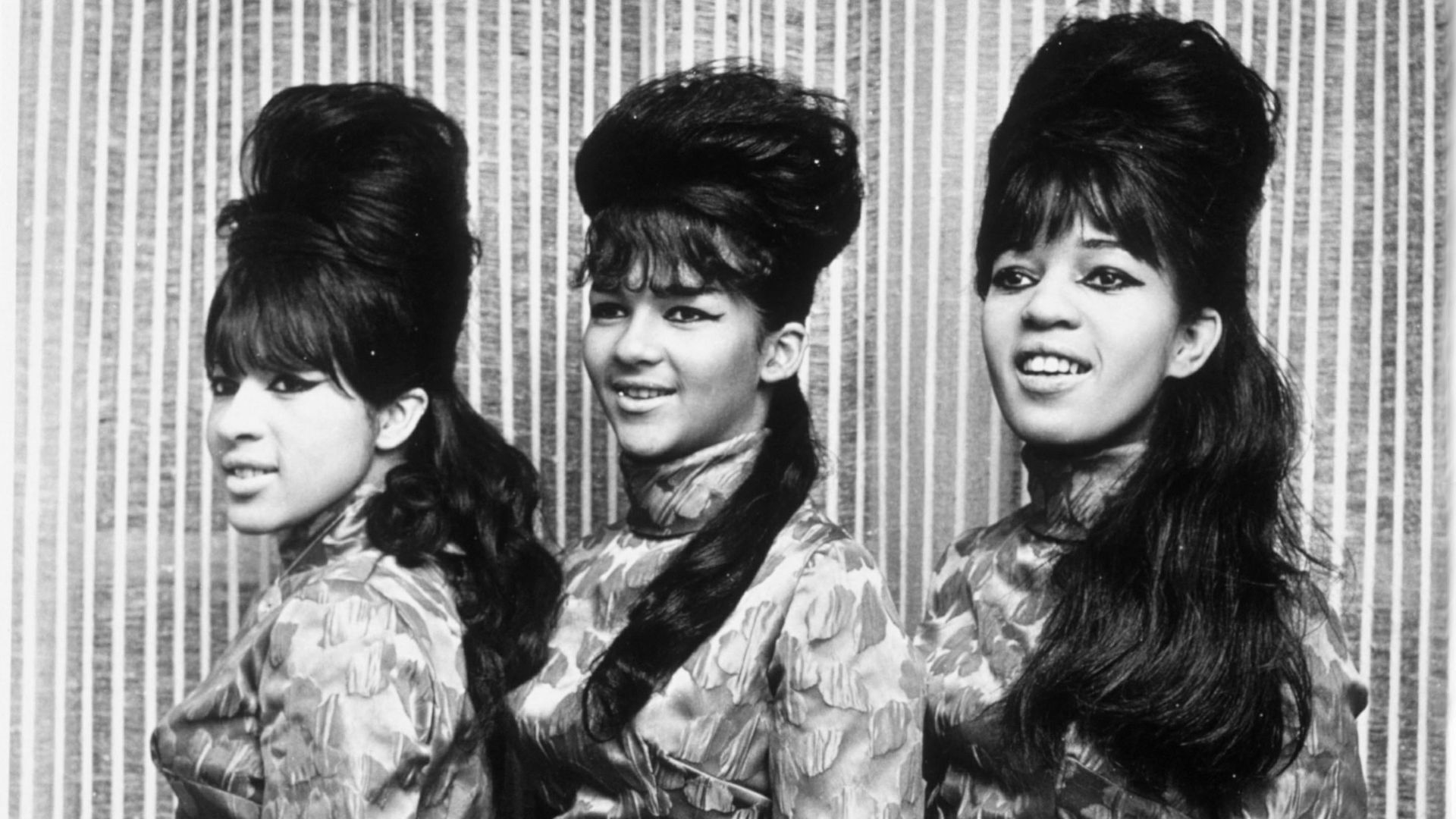
The air in the recording studio was thick with cigarette smoke and the smell of ozone from overheated vacuum tubes. It was 1963. A young woman stood before a microphone, her hair teased into a gravity-defying hive, her eyeliner sharp enough to draw blood. When she opened her mouth, a tectonic shift occurred in American culture. That sound—the thunderous, layered, heart-shattering "Wall of Sound"—wasn't just music. It was a teenage prayer.
Nedra Talley Ross, the last living link to that specific lightning strike, has stepped off the stage for the final time. With her passing, the Ronettes—the definitive "bad girls" of the 1960s girl-group era—have moved entirely into the realm of ghost and groove. Recently making headlines in this space: The Gavin and Stacey Real Estate Trap Why Buying Pop Culture Landmarks Is a Financial Tragedy.
History often remembers the frontwoman. We see Ronnie Spector’s eyes, wide and pleading, or we hear the signature "Be My Baby" drum break that Brian Wilson obsessed over for decades. But the Ronettes were a trinity. Nedra, along with her cousin Ronnie and sister Estelle Bennett, formed a familial unit that navigated the predatory waters of the 1960s music industry with a blend of street-smart grace and Harlem-born grit.
The Architecture of a Heartbeat
To understand what we lost with Nedra, you have to understand the invisible architecture of a hit song. In the early sixties, the music industry was a factory. You had the songwriters in the Brill Building, the session musicians in the "Wrecking Crew," and the autocratic producers like Phil Spector presiding over the chaos. Additional details regarding the matter are covered by Deadline.
The Ronettes were the raw material that refused to be refined.
They weren't the polished, charm-school starlets of Motown. They wore their skirts a little tighter. They piled their hair a little higher. When they stepped onto the stage at the Apollo Theater, they weren't just singing about love; they were embodying the yearning of a generation that was tired of the Eisenhower era's polite restraints. Nedra provided the foundational harmony, that steady, soulful middle ground that allowed Ronnie’s lead vocals to soar and snap. Without Nedra, the Wall of Sound would have had a crack in its foundation.
Consider the physical toll of being a Ronette. They toured the UK in 1964 with a then-fledgling group called the Rolling Stones opening for them. Imagine the sensory overload: the screaming fans, the flashbulbs, the constant motion of a Greyhound bus or a cramped plane, all while maintaining an image of effortless, towering glamour. Nedra was the stabilizer. She was the one who eventually looked at the madness of the road and the volatility of the industry and decided she wanted something else—something quieter, something hers.
The Great Disappearing Act
There is a specific kind of courage required to walk away from the spotlight when it is at its brightest. By the late sixties, the girl-group phenomenon was being eclipsed by the psychedelic revolution and the gritty realism of rock. The sequins were being replaced by tie-dye.
Nedra chose a different path. She married, she leaned into her faith, and she stepped back into the world of "ordinary" life. For decades, she lived as a woman who had once been the focal point of the world's desire, yet she seemed remarkably unburdened by the weight of her own legend.
She watched as the industry that once exploited her talent finally began to offer its belated bouquets. In 2007, the Ronettes were finally inducted into the Rock and Roll Hall of Fame. It was a moment of vindication, but for Nedra, it felt less like a comeback and more like a polite acknowledgement of a truth she had known since she was a teenager in Spanish Harlem: they were the best to ever do it.
The tragedy of the "last surviving member" is the loneliness of the memory. For years, Nedra was the only person on earth who knew exactly how it felt to stand in Gold Star Studios while Phil Spector demanded the 42nd take of a vocal line. She was the only one left who remembered the specific nervous energy in the dressing room before they took the stage in front of thousands of screaming Europeans. When Estelle passed in 2009, and Ronnie in 2022, the shared language of the Ronettes became a monologue.
The Invisible Stakes of Memory
Why does this death feel heavier than the standard celebrity obituary?
It’s because the Ronettes represented a specific kind of American dream that no longer exists. They were multiracial women in a segregated industry. They were fashion icons before the concept of a "brand" existed. They were the bridge between the innocence of the fifties and the rebellion of the late sixties.
When we lose the last witness to that era, the history flattens. It becomes a Wikipedia entry. It becomes a 30-second clip on a social media feed. We lose the texture of the story—the way the hairspray smelled, the way the floorboards of the Apollo vibrated under their heels, the way Nedra felt when she realized that "Be My Baby" was going to be the song that played at every wedding for the next sixty years.
We often treat the pioneers of pop music as if they are static figures, forever frozen in the black-and-white footage of The Ed Sullivan Show. We forget that they grew old. We forget that they had to pay bills, raise children, and navigate a world that moved on from them. Nedra’s life after the Ronettes was a testament to survival. She didn't let the "Wall of Sound" crush her. She outlived the chaos, outlived the man who tried to control their every move, and outlived the very genre she helped invent.
The silence that follows Nedra’s passing isn't empty. It’s a resonant space where the music used to be. Every time a young artist today puts on a pair of false eyelashes or leans into a heavy, reverb-drenched vocal track, they are paying a subconscious debt to Nedra Talley Ross. They are reaching for a piece of the fire she helped start in a cold recording studio six decades ago.
The lights in the studio have been turned off. The tubes have cooled. The smoke has cleared. But if you listen closely to those old mono recordings—past the drums, past the soaring lead—you can still hear that middle harmony. Steady. Strong. Unbreakable. It is the sound of a woman who saw the top of the world and chose to come home.
The wall is finally quiet.