Two wooden rackets sat in a faded canvas bag in Compton, strings frayed from hours of hitting against a concrete wall that bore the white scuff marks of relentless ambition. Richard Williams knew what people said. They said tennis belonged to country clubs, to pristine white polos, to hushed galleries where polite applause fluttered like autumn leaves. He did not care about the polite applause. He cared about the roar.
Decades later, the concrete wall was replaced by Arthur Ashe Stadium, a roaring cauldron of twenty-four thousand screaming fans under the damp New York night sky. The two girls with the beaded braids had grown into titans, icons who had long ago shattered the sport's ceiling and rewritten its architecture. Yet, as twilight settled over Flushing Meadows, the air hummed with a quiet, heavy electricity.
Serena and Venus.
Together. Again.
The Weight of the Past
To understand why a doubles match at the U.S. Open could eclipse entire Grand Slam singles finals, you have to look back at the quiet mornings when the world thought they were crazy.
History rarely announces its turning points with trumpets. More often, it sounds like the rhythmic thwack-thwack-thwack of a tennis ball striking a worn string bed at dawn. When Serena and Venus first stepped onto a professional court, they brought something the sport had never quite encountered. They brought each other.
Think about what it means to share a battlefield with your sister. While the rest of the locker room viewed them as terrifying rivals, they were each other's sanctuary. They played fourteen Grand Slam finals against one another, matches dripping with an agonizing, sisterly tension where joy for the winner meant heartbreak for the best friend. But when they stood on the same side of the net? That was a different kind of magic. Fourteen major titles in doubles. Unbeaten in Grand Slam finals together. Fourteen times they synchronized their breathing, shared inside jokes during changeovers, and closed the net with a telepathic ruthlessness that left opponents grasping at thin air.
Now, the calendar had turned. The shadows were lengthening over their legendary careers. Serena had already signaled that the finish line was near, her legendary singles journey winding down to its final breaths. And so, an invitation arrived—or rather, a choice. A wild card into the U.S. Open women's doubles draw.
The Unspoken Language
Watch them on a tennis court. It looks effortless. It is anything but.
Tennis at this level is a game of microscopic margins. A millimeter off center means the ball sails long. A tenth of a second late means the return dies at your shoelaces. But when Venus and Serena play doubles, physics seems to bend slightly to accommodate their shared history.
Imagine standing at the baseline, staring across the net at two players who grew up sharing a bedroom, sharing clothes, sharing a relentless, obsessive dream forged in the public parks of Los Angeles. They don't need to yell plays across the court. A twitch of the shoulder, a subtle shift of weight, a glance that lasts a fraction of a second—that is all the communication they require.
(Note: When we describe their coordination as telepathic, it is a metaphor for decades of identical training, thousands of hours drilling the same volleys, and an instinctive understanding of each other's physical geometry on the court.)
Fans packed the grounds days in advance just to watch them practice. Security guards strained to hold back the surging crowds outside practice courts. People weren't just buying tickets to a tennis match; they were purchasing admission to a living museum, a chance to witness the final movement of a symphony that had played out over a quarter of a century.
The Sound of the Crowd
The match began with a tremor that shook the concrete foundations of Flushing Meadows.
When the stadium announcer called their names, the noise didn't rise—it detonated. It was a physical force, a wall of sound that pushed against the chest and made the hairs on your arms stand at attention. Photographers lowered their long lenses just to soak it in, realizing that no shutter speed could capture the sheer emotional weight of the moment.
Across the net stood opponents who had grown up plastered to bedroom posters of the Williams sisters. Imagine the surreal terror of facing your childhood idols in what might be their final curtain call. The opening games were messy, fueled by adrenaline and the sheer gravity of the occasion. Serves caught the tape. Volleys sailed wide.
Then, the rhythm found them.
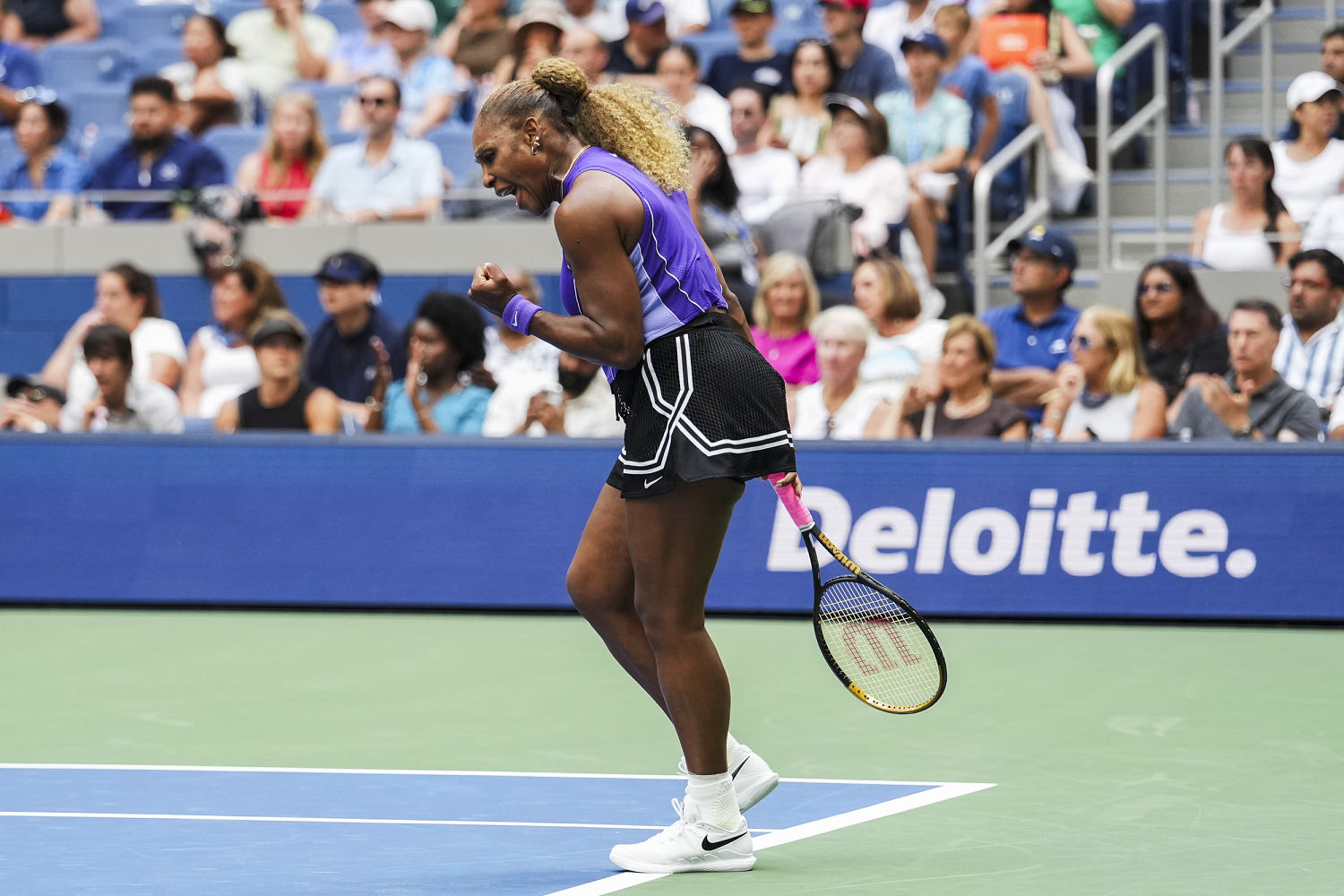
Venus unleashed a blistering first serve down the T, a vintage missile that pierced the night air. Serena anticipated the weak return, exploding toward the net with a feline grace, snapping her wrist downward for a volley winner that kicked up chalk dust.
They embraced in a quick, fierce hug. No words. Just the familiar slap of palms and the shared smile of two sisters who knew every chapter of each other's soul.
The Lingering Echo
Sports analysts will dissect the stats. They will count the aces, tally the unforced errors, and record the match duration in history books. They will talk about ranking points and draw sheets.
They will miss the point entirely.
This was never about a trophy. It was about closure, celebration, and the stubborn refusal to fade quietly into the night. It was about two little girls from Compton looking up at the lights of a grand stadium and proving that the universe belongs to those who dare to build their own doors.
The stadium lights cut sharp, brilliant paths through the humid New York air. Somewhere in the stands, a young girl in a braided ponytail clutched a oversized tennis racket, watching the court with wide, unblinking eyes, her future suddenly looking entirely possible.
On the court, the sisters walked side by side toward the baseline, their footsteps falling in perfect, unbroken synchronization.