The grease stains on the brown paper bag tell a story of an era that is quietly slipping away.
At 6:30 AM in Edmonton, long before the sun even pretends to care about the frozen asphalt of Whyte Avenue, the air inside a small independent bakery smells of toasted malt and burnt ambition. The oven doors clang shut with the heavy, satisfying ring of a church bell. Trays of boiled dough slide into the heat, swelling into glossy, golden-brown rings that have anchored the neighborhood’s morning routine for over a decade. Learn more on a connected subject: this related article.
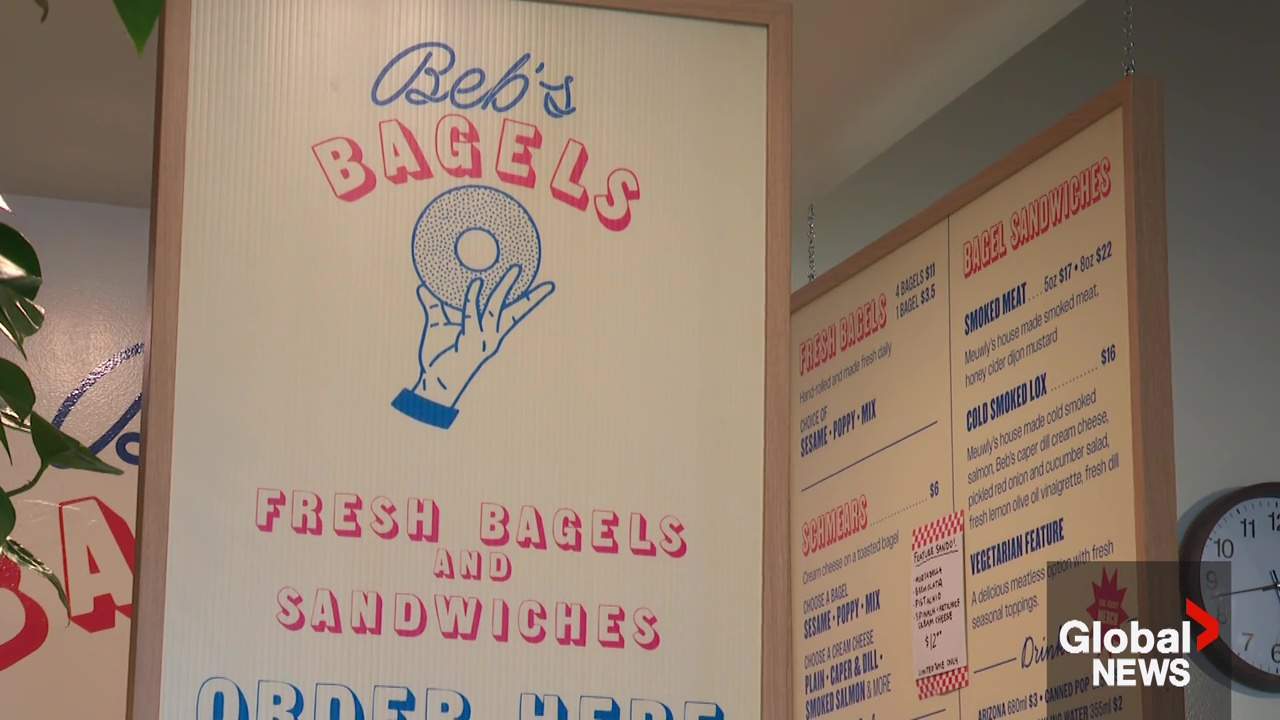
For years, the crown jewel of this morning ritual was not plain cream cheese or smoked salmon. It was the smoked brisket bagel. A messy, unapologetic collision of slow-cooked Alberta beef and artisanal dough, stacked high with sharp cheddar and a spicy house-made glaze. It was a sandwich that required two hands, a stack of napkins, and a deliberate pause in an otherwise frantic day.
Then came the quiet memo on the front door. Additional analysis by Financial Times explores similar perspectives on this issue.
Due to unprecedented market pressures and the unsustainable cost of premium beef, we have made the difficult decision to permanently remove our smoked brisket bagel from the menu.
Just like that, a culinary institution vanished. No press conference. No public debate. Just a laminated sign taped to a glass door, fluttering slightly every time the morning wind blew in off the North Saskatchewan River.
To understand why a single menu item can disappear overnight, you have to look past the cozy storefront and gaze out across the vast, windswept pastures of the Canadian cattle industry. You have to trace the invisible threads connecting a bakery counter in Edmonton all the way to the auction rings, the feedlots, and the global commodities market.
Beef is not merely an ingredient. It is a barometer of ecological strain, economic volatility, and human labor.
Consider what happens long before the brisket ever reaches a smoker. Cattle require time, space, water, and immense amounts of feed. Over the past few seasons, successive waves of drought across Western Canada have turned lush grazing land into brittle dust. Hay prices soared. Pastures shrank. Ranchers, facing impossible choices as feed costs skyrocketed, were forced to shrink their herds long before the animals reached market weight.
Supply dwindled. Demand remained stubbornly high. And basic economics did what it always does: it took a meat cleaver to the wholesale price of beef.
When a commodity price spikes at the slaughterhouse, it sends a seismic shockwave down the line. For a multinational fast-food chain, a rising beef cost is an annoying line item on a quarterly spreadsheet, easily absorbed or subtly offset by shrinking the patty or raising the combo price by twenty cents.
For a local bagel shop operating on razor-thin independent margins, it is an existential crisis.
The math is brutal. To keep the brisket bagel on the menu at its original price, the bakery would have to take a severe loss on every single sandwich sold. To raise the price to match the true cost of the beef, they would have to charge an amount that would make a regular customer wince—turning a comforting morning ritual into an unaffordable luxury.
So, they chose subtraction. They cut the heart out of their menu to keep the lights on.
This is the hidden cost of modern inflation. It rarely announces itself with dramatic crashes or empty storefronts. Instead, it arrives in small, agonizing subtractions. The favorite menu item removed. The smaller portion size. The local coffee shop that quietly stops carrying artisanal cheeses or switches to a cheaper grade of flour.
We lose our culture in increments.
Standing at the counter now, the options feel slightly more sterile. There is still the everything bagel with herb butter. There is still the classic egg and cheese. They are good, reliable, comforting. But the soul of the morning—that rich, smoky, slow-cooked indulgence that made standing in line in minus-thirty-degree weather feel like a reward—is gone.
The bakery owner, wiping down the stainless steel counter with a damp cloth, doesn't want to talk about supply chains or cattle futures. She talks about her regulars. The construction workers who relied on that sandwich to fuel them through the morning frost. The nurse who stopped by after a brutal night shift.
"People think it's just meat," she says, her voice quiet over the hum of the refrigeration units. "It’s not. It’s what people counted on when everything else felt uncertain."
That is what hurts the most about these quiet menu changes. They strip away the predictability of daily life. In a world that feels increasingly volatile, where global headlines scream of wars, housing crises, and economic fracture, the local bakery is supposed to be an island of permanence. When the brisket bagel falls victim to the ledger, it feels like the outside world has finally kicked the front door in.
Yet, life in the kitchen persists.
The ovens fire up again the next morning. The dough is rolled, boiled, and baked. A new line forms at the door, breath pluming in the crisp Edmonton air. People adapt, because humans are remarkably resilient creatures, conditioned by centuries of changing seasons and shifting fortunes to find comfort wherever it can still be found.
As the morning rush fades and the scent of baking bread slowly gives way to the quiet hum of the afternoon prep, the laminated sign on the door remains. It is a small monument to an invisible crisis.
Outside, a single crow picks its way across the frozen crust of snow on the sidewalk, searching for something that isn't there anymore.