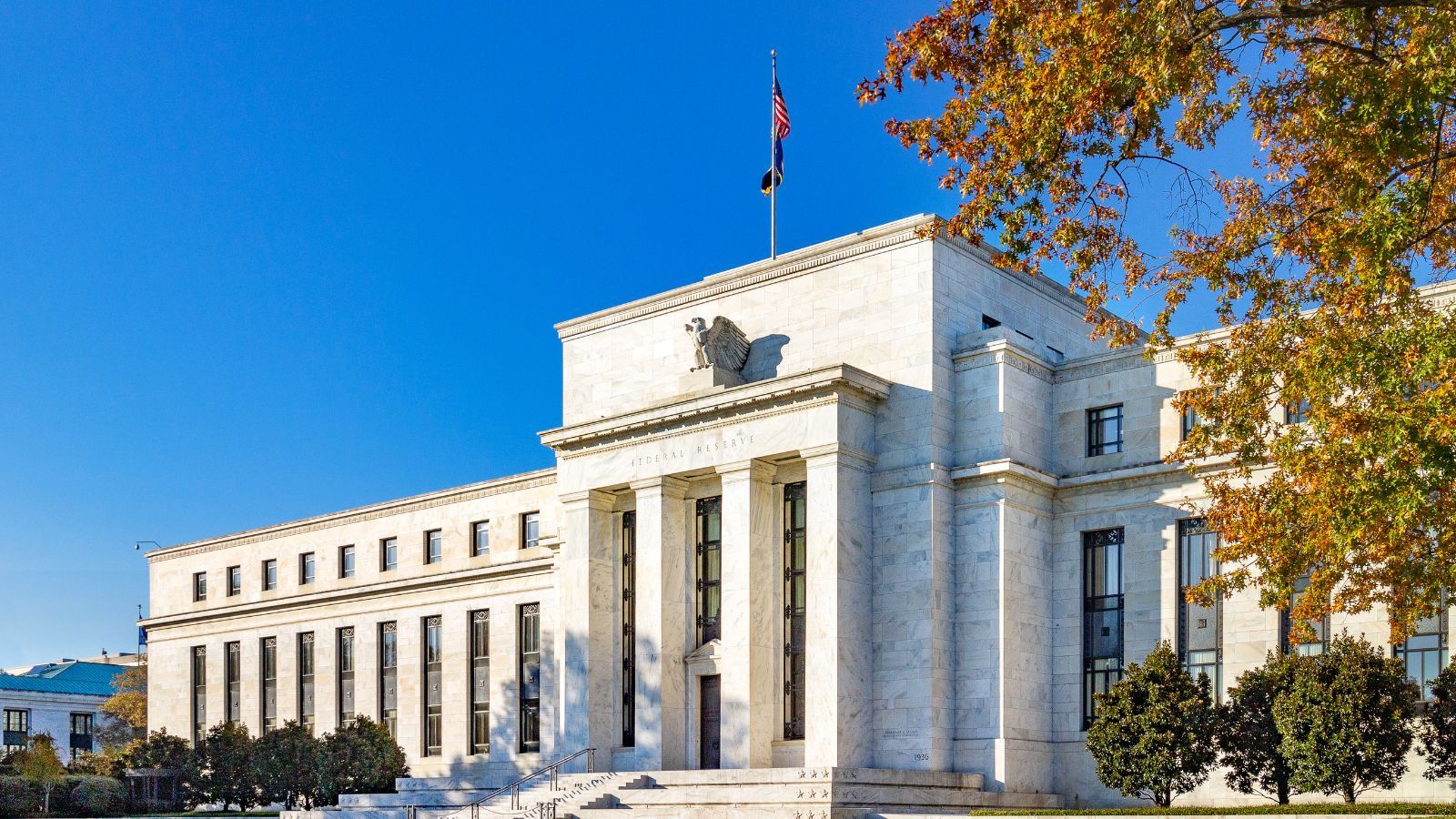
Balancing macroeconomic indicators without sending the broader market into a tailspin is the ultimate tightrope walk. Whenever consumer prices tick up, the standard central bank playbook immediately calls for slamming the brakes on borrowing. Higher interest rates cool demand, but they also choke hiring, housing, and everyday consumer activity. White House National Economic Council Director Kevin Hassett has argued that this traditional trade-off isn't written in stone.
The core argument centers on how economic expansion actually happens. Traditional economic models assume that any surge in gross domestic product paired with strong consumer spending automatically requires monetary tightening to keep prices stable. But that mechanical view misses a critical distinction. If output climbs because of productivity gains, technological upgrades, and massive capital investments, the underlying supply side expands right alongside demand. If you enjoyed this piece, you should look at: this related article.
The Supply-Side Argument for Price Stability
When an economy produces more goods, services, and productive capacity, that abundance naturally offsets upward pressure on prices. Think of it like a crowded highway. If more cars crowd onto the asphalt without expanding the lanes, traffic jams and higher costs follow. But if you widen the highway and optimize traffic flow, more vehicles move seamlessly without gridlock.
Hassett points out that current economic output has consistently beaten analyst expectations, trending toward robust growth. Much of that momentum comes from heavy investments in capital goods designed to boost future productivity. When businesses spend heavily on infrastructure, automation, and operational efficiency, they aren't just driving up short-term demand. They are building the exact capacity needed to supply cheaper, more accessible goods down the line. For another look on this story, see the latest update from Financial Times.
Traditional analysts often panic over headline inflation prints that are temporarily distorted by energy shocks or volatile sector spikes. Yet looking past the noise reveals an underlying pricing environment that reacts differently to modern productivity booms. If growth is driven by supply-side expansion rather than purely speculative consumer borrowing, reflexively hiking interest rates risks breaking a healthy engine for no good reason.
Navigating Central Bank Independence and Market Pressure
Of course, managing expectations between the executive branch and the Federal Reserve is never simple. Markets constantly parse every public statement for signs of political friction. Skeptics worry that pushing for lower interest rates or a softer touch on monetary policy might compromise the central bank's inflation mandate.
The reality on the ground requires a delicate balance. Fed leadership must weigh incoming consumer price index and personal consumption expenditures data against real-time growth indicators. If price pressures prove sticky in specific consumer sectors, policymakers face intense pressure to act. Yet treating every monthly fluctuation as a systemic crisis risks overcorrecting.
Markets have learned to price in this constant tug-of-war. Traders track category breadth measures—looking at how many specific sectors are running hot versus cooling off—rather than just reacting to headline figures. When supply chains adapt and capital expenditures start bearing fruit, the need for aggressive policy intervention fades.
The path forward depends on letting real data dictate policy rather than relying on outdated academic assumptions. If productivity keeps pace with demand, the economy can maintain its momentum while price stability settles in naturally.
For a closer look at how these policy debates unfold in real time, you can watch this analysis on NEC Hassett inflation outlook. This video explores how White House economic leadership evaluates ongoing price trends and Federal Reserve rate decisions.


