Two confirmed deaths in a single family cluster is the exact scenario epidemiologists dread most during the early stages of a viral hemorrhagic fever outbreak. When Kenya reports a second Ebola death involving a close relative of the first patient, it confirms that household transmission occurred before isolation protocols were locked down.
That distinction matters. A lot.
Single isolated cases—often imported across porous borders—can sometimes be extinguished with rapid quarantine. Secondary transmission within a household proves the virus found a bridge into the local community. Health authorities now face a race against a 21-day incubation clock to track down every person who interacted with both victims during their symptomatic windows.
Why Close Relatives Face the Highest Risk
Ebola doesn't spread through the air like measles or influenza. It requires direct physical contact with blood, vomit, sweat, or other bodily fluids from an infected person who has already started showing symptoms.
In East Africa, just like anywhere else, family members serve as the primary caregivers when someone falls suddenly ill with a high fever, severe headache, and gastrointestinal distress. Before a laboratory confirms a filovirus infection, those early symptoms look identical to severe malaria, typhoid, or routine viral gastroenteritis.
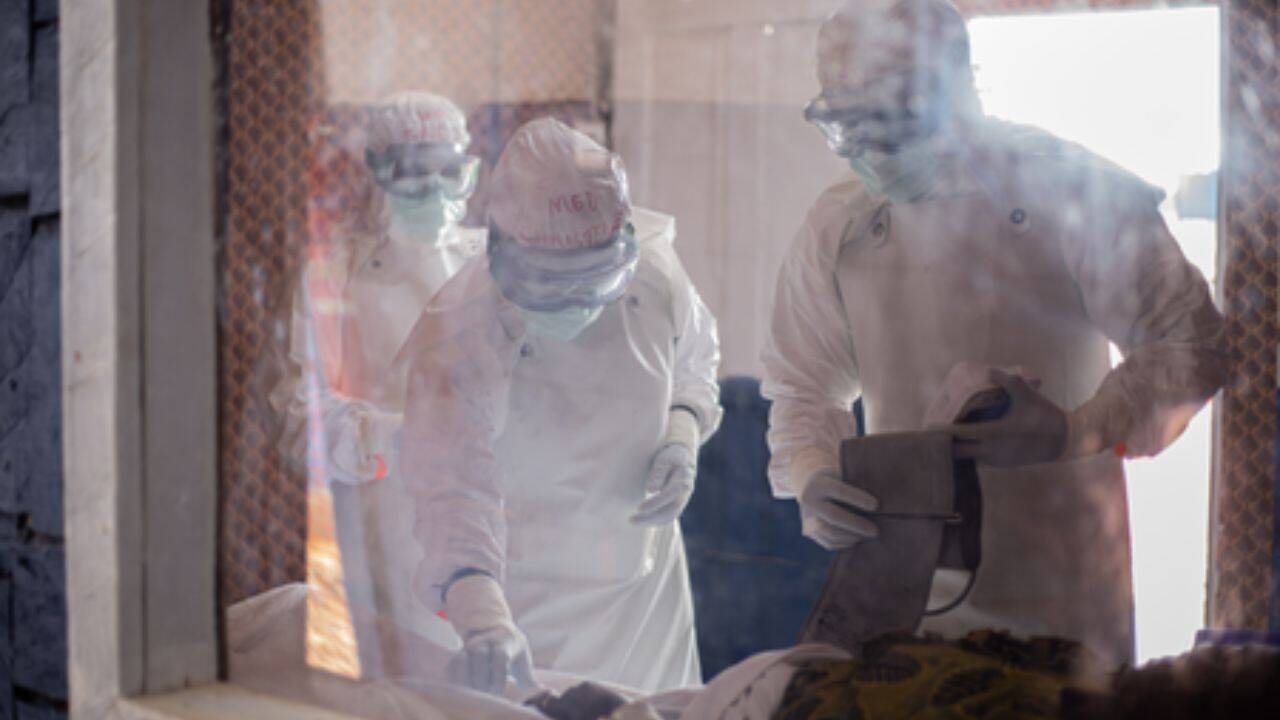
By the time a patient reaches a specialized isolation ward, relatives have usually spent days wiping sweat, cleaning soiled bedding, and transporting the sick individual to local clinics. Without medical-grade personal protective equipment (PPE), caring for a loved one becomes a direct exposure event. Traditional burial practices—which often involve washing and touching the body—compound that risk exponentially, as viral loads peak right around the time of death.
The Mechanics of Contact Tracing
When a second death occurs within the same household, public health teams shift from reactive treatment to aggressive perimeter containment. You can't contain Ebola from inside a hospital ward; you stop it in the neighborhoods.
Epidemiologists immediately build a contact matrix divided into two primary tiers:
- Primary contacts include anyone who lived under the same roof, shared meals, provided physical care, or handled bodily fluids without full barrier protection.
- Secondary contacts include healthcare workers at initial triage clinics, transport drivers, and neighbors who visited the home during the symptomatic phase.
Every identified contact must be monitored twice daily for fever or subtle early symptoms for a full 21 days—the maximum incubation period for Orthoebolavirus. If a contact spikes a fever, they're isolated immediately before they can pass the virus to a third generation of patients.
Kenya's Public Health Readiness and Border Realities
Kenya serves as the primary economic and transit hub for East Africa. Nairobi's Jomo Kenyatta International Airport connects the region to the globe, while busy overland trade corridors link Kenya directly to Uganda, Tanzania, South Sudan, and the broader Great Lakes region—areas with documented histories of Sudan ebolavirus and Zaire ebolavirus outbreaks.
Because of this geographic reality, the Kenyan Ministry of Health, working alongside the World Health Organization (WHO) and the Africa Centres for Disease Control and Prevention (Africa CDC), maintains permanent surveillance infrastructure at major points of entry. Thermal scanners, dedicated isolation units at Kenyatta National Hospital, and rapid diagnostic capabilities at the Kenya Medical Research Institute (KEMRI) give the country a distinct technical advantage over regions hit by outbreaks a decade ago.
Still, infrastructure on paper doesn't guarantee zero leakage on the ground. Cross-border communities share family ties, markets, and informal transit routes that bypass official checkpoints entirely. A sick traveler can easily cross a border by motorbike hours before developing a high fever.
What Most People Get Wrong About Ebola Transmission
Panic thrives on misinformation, and viral outbreaks always generate dangerous myths. Clearing up how this virus actually behaves helps communities cooperate with health teams instead of hiding sick relatives out of fear.
- Asymptomatic people aren't contagious. Unlike respiratory viruses, people infected with Ebola don't spread the disease before they feel sick. Transmission risk starts only when symptoms appear and increases as the illness progresses.
- Casual proximity in public spaces is low risk. Walking past someone on the street or sitting across a crowded bus from an early-stage patient rarely results in infection unless direct fluid exchange occurs.
- Survival rates depend heavily on early supportive care. People often view Ebola as an automatic death sentence. While case fatality rates can range from 25% to 90% depending on the specific viral species and healthcare access, aggressive intravenous hydration, electrolyte management, and treatment of secondary infections dramatically improve survival odds.
Vaccines and Therapeutics Change the Math
Ten years ago, doctors could only offer basic supportive care and quarantine. Today, medical countermeasures give response teams real offensive tools—provided the specific viral species is identified quickly through PCR testing.
If the outbreak involves Zaire ebolavirus, health workers can deploy the rVSV-ZEBOV (Ervebo) vaccine using a "ring vaccination" strategy. Teams vaccinate all primary contacts of confirmed cases, plus the contacts of those contacts, creating an immunological firewall around the cluster. Monoclonal antibody treatments like Inmazeb and Ebanga have also proven highly effective at neutralizing the Zaire species when administered early.
If sequencing reveals Sudan ebolavirus—the culprit behind several East African outbreaks—the playbook changes slightly. Licensed Zaire vaccines don't cross-protect against the Sudan strain, forcing teams to rely on experimental candidate vaccines under emergency protocols alongside strict infection prevention and control (IPC) measures.
How Local Clinics Prevent Hospital Amplification
Historically, rural clinics and poorly equipped hospitals have acted as accidental amplifiers during the first few weeks of an outbreak. A patient walks into a standard outpatient clinic complaining of fever and vomiting. Nurses insert an IV line wearing only basic latex gloves—or no gloves at all—and inadvertently expose themselves and other patients.
Breaking that cycle requires strict adherence to triage protocols at every level of the healthcare system:
- Screen at the door. Every patient entering a clinic in an alert zone should have their temperature checked and travel or contact history logged before entering general waiting areas.
- Isolate suspected cases immediately. Anyone presenting with unexplained fever plus bleeding, severe diarrhea, or recent contact with a febrile death must be moved to a separated holding area with dedicated staff.
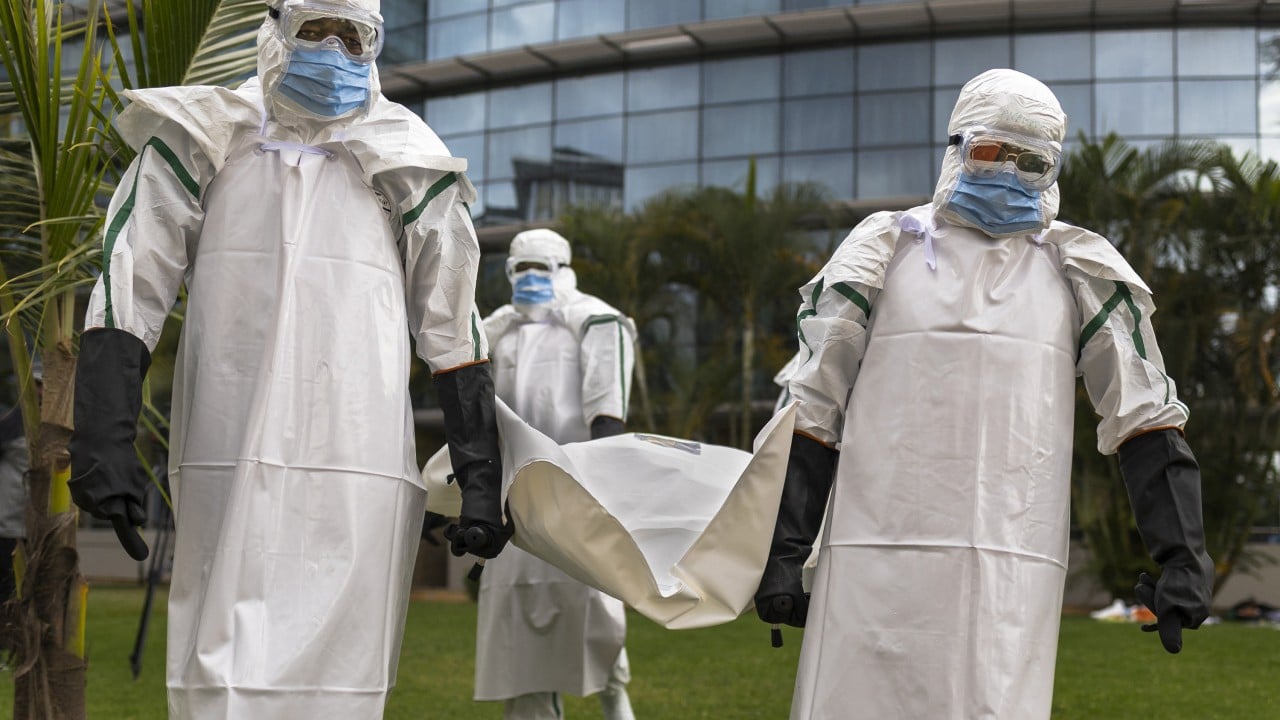
- Enforce safe and dignified burials. Trained burial teams wearing full PPE must handle decedents using leak-proof body bags and chlorine disinfection, allowing families to observe from a safe distance without physical contact.
Practical Steps for Residents and Travelers
If you live in or are traveling through affected areas in Kenya or neighboring East African transit hubs, your personal risk remains low as long as you follow basic infectious disease precautions.
Avoid all physical contact with anyone exhibiting acute fever, vomiting, or unexplained bleeding, and steer clear of traditional funeral rituals involving direct contact with bodies. Wash your hands frequently with soap and water or use an alcohol-based hand sanitizer containing at least 60% alcohol, especially after visiting public markets or clinics.
If you develop a sudden high fever, severe muscle pain, or gastrointestinal symptoms within 21 days of traveling through an alert zone or interacting with someone who was severely ill, don't walk unannounced into a crowded clinic. Call local Ministry of Health emergency hotlines immediately so a trained response team can transport and evaluate you safely without exposing your family or neighbors.