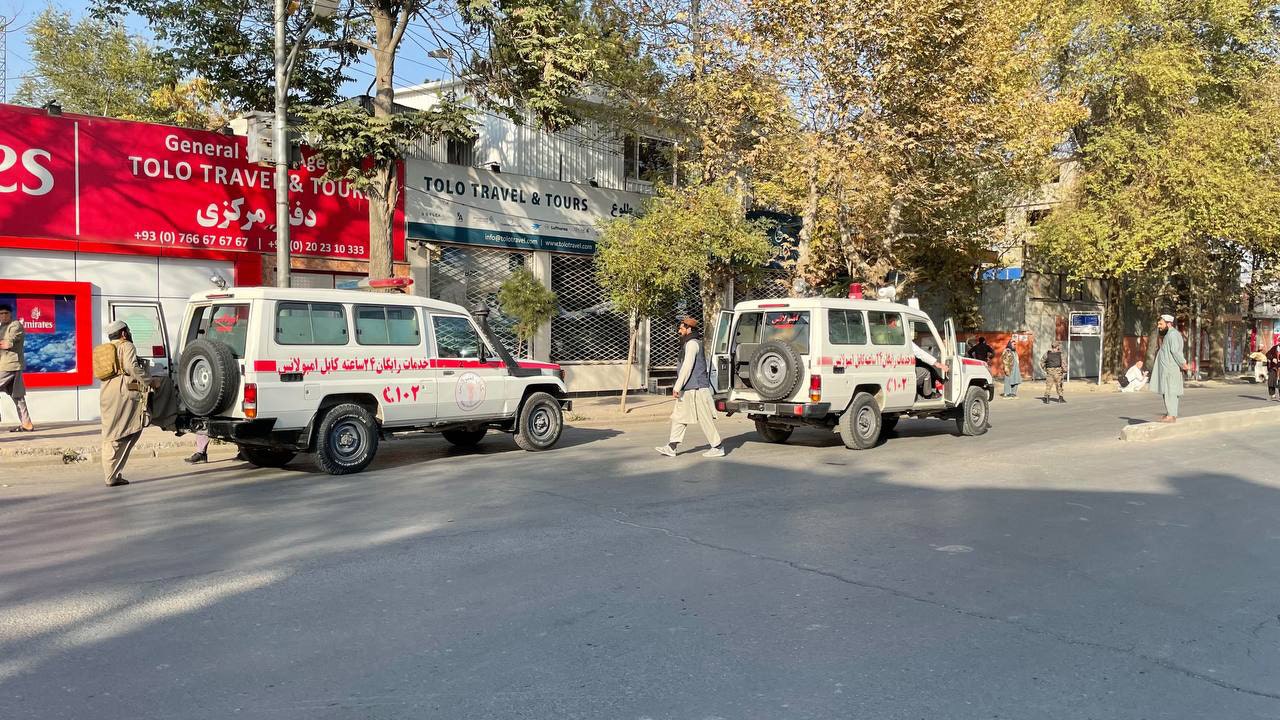
The images coming out of Kabul right now are gut-wrenching. There’s no other way to put it. When a hospital becomes a target, the rules of war haven’t just been broken—they’ve been shredded. Early reports suggest hundreds are feared dead after a massive strike hit a major medical facility in the Afghan capital. This isn't just another statistic in a long-running conflict. It's a collapse of the most basic human agreement we have.
You expect a hospital to be a sanctuary. It’s the one place where the fighting is supposed to stop at the door. But in Kabul, that door was blown off its hinges. The blast occurred during peak hours, when clinics were packed with patients and families were visiting loved ones. We’re talking about a level of carnage that overwhelms even the most seasoned first responders. If you enjoyed this article, you should read: this related article.
The Immediate Reality on the Ground
Information is still flowing out in fragments. What we know is that the explosion leveled a significant portion of the wing housing the intensive care unit and the pediatric ward. Local witnesses describe a scene of pure chaos. Smoke thick enough to choke you. The sound of secondary collapses. People digging through rubble with their bare hands because heavy machinery can’t get through the narrow, debris-strewn streets.
Emergency wards in neighboring districts are already at a breaking point. They don't have enough blood. They don't have enough surgeons. When you hit a hospital, you don't just kill the people inside. You kill the city's ability to save anyone else. It’s a force multiplier for misery. For another angle on this event, check out the recent coverage from TIME.
Why These Strikes Keep Happening
You might wonder how this keeps occurring in an age of precision munitions. The technical reality is often grimmer than the official excuses. Sometimes it's a failure of intelligence. Sometimes it's "collateral damage" from a nearby target. But let’s be real. Often, it’s a deliberate tactic to break the will of a population.
International law, specifically the Geneva Conventions, is crystal clear on this. Medical units must be respected and protected at all times. They shouldn't be the object of attack. Yet, over the last decade, we’ve seen a terrifying trend where "protected status" feels more like a suggestion than a rule. From Syria to Ukraine, and now again in Afghanistan, the red cross and red crescent symbols aren’t providing the shield they used to.
The Failure of Global Accountability
Every time a strike like this happens, the same script plays out. There’s "grave concern" from the UN. There are calls for a transparent investigation. Then, usually, nothing happens. The fog of war is used as a convenient rug to sweep the bodies under.
If we don't demand actual consequences for those who pull the trigger or give the order, these strikes will become the new normal. We’re seeing a shift from "accidental" hits to a systematic disregard for civilian infrastructure. When a state or a militant group realizes that bombing a hospital carries a low political cost, they’ll keep doing it.
The data from organizations like Médecins Sans Frontières (Doctors Without Borders) shows a spike in attacks on healthcare workers and facilities globally. This isn't an isolated Kabul problem. It's a global crisis of impunity.
The Long Term Impact on Afghan Healthcare
Afghanistan's healthcare system was already on life support. Decades of conflict, combined with a massive brain drain of medical professionals, left the country's infrastructure fragile. This strike doesn't just take out a building. It takes out specialized equipment—ventilators, MRI machines, surgical suites—that won't be replaced for years, if ever.
It also creates a psychological barrier. Would you take your sick child to a hospital if you thought it was a target? Probably not. People start dying at home from treatable infections and manageable injuries because the "safe" place has become the most dangerous spot in the city.
What Happens Next
The death toll is going to rise. That's the painful truth as search and rescue teams move deeper into the wreckage. We need to look past the initial shock and focus on the logistical nightmare following this event.
The immediate needs are clear. Field hospitals need to be established within 48 hours to take the pressure off the remaining clinics. Medical supplies, specifically trauma kits and anesthetics, need to be flown in immediately.
But the bigger shift needs to be political. If you care about this, don't just post a flag on social media. Pressure representatives to support international bodies that actually track and prosecute war crimes. Support groups like the International Committee of the Red Cross (ICRC) that stay on the ground when everyone else leaves.
Demand that the "no-strike" lists used by military forces are updated and respected. These lists are supposed to contain the GPS coordinates of every medical facility to prevent exactly what happened in Kabul. When a strike happens anyway, someone needs to explain why the system failed. We can't keep accepting "oops" as a valid response to a pile of bodies.
The people of Kabul are mourning today. Tomorrow, they’ll still be sick, injured, and without a place to go. We can’t let the world look away just because the news cycle moves fast. Hold the line on healthcare neutrality. It's the only thing keeping us somewhat civilized in the middle of a war.