You know that specific crunch? Not the watery, snap-of-a-lettuce-leaf crunch, but the deep, oily, shatter-on-impact kind of crunch. That’s what we’re talking about here. If you’ve stepped into a Jimmy John’s lately or scrolled through their app, you’ve probably seen Jimmy John's crispy jalapenos popping up on more than just the limited-time offers. They’ve become a sort of cult hero in the sandwich world. Honestly, they’re the unsung MVP of the "Freaky Fast" universe.
Most people walk into a sub shop and think about the meat or the bread. That’s fine. It’s logical. But the real ones know that texture is what actually carries a sandwich from "yeah, that was lunch" to "I need that again tomorrow." Jimmy John's crispy jalapenos aren't your standard pickled rings. They aren't those soggy green circles that leak vinegar all over your turkey and turn the bottom of the roll into a wet sponge. These are different. They’re fried. They’re savory. They’re salty.
They basically function like spicy croutons for your sandwich.
What Actually Are Jimmy John's Crispy Jalapenos?
Let’s get technical for a second, but not too technical because we’re talking about sandwich toppings, not rocket science. These aren't raw peppers. Jimmy John's uses a product that is essentially a sliced jalapeno pepper that has been lightly coated—usually in something like flour or cornstarch—and flash-fried until the moisture is gone and the heat is concentrated.
Think of them like the French's Fried Onions you put on a green bean casserole at Thanksgiving, but with a kick that actually wakes up your taste buds.
The flavor profile is interesting. When you fry a jalapeno, you lose some of that bright, grassy "green" flavor you get from a fresh pepper. In its place, you get a toasted, almost nutty heat. It’s a dry heat. That matters because it doesn't mess with the integrity of the mayo or the oil and vinegar. You get the spice without the splash.
If you look at the ingredients of similar commercial crispy peppers—like the ones Fresh Gourmet or McCormick make—you’ll find a mix of jalapeno peppers, vegetable oil, and enriched flour. Jimmy John's sources theirs to meet a specific spec: thin enough to be brittle, but thick enough to hold a punch.
Why the "Kickin' Chicken" Changed Everything
We can't talk about Jimmy John's crispy jalapenos without mentioning the sandwich that put them on the map: the Kickin' Chicken. When that sub dropped as an LTO (Limited Time Offering), it was a massive departure for a brand that usually stuck to very traditional deli vibes.
The Kickin' Chicken used pulled chicken, which was already a weird move for JJ's, but the inclusion of the crispy jalapenos and the "Kickin' Ranch" created a flavor profile that felt more like a gourmet pub burger than a cold sub. It worked. People went nuts for it. The crunch of the peppers against the soft, shredded chicken and the creamy ranch was a textbook example of contrast.
The peppers stayed. Even when the specific chicken sandwich rotated out or changed, the demand for that specific crunch remained. Now, you can add them to basically anything.
The Physics of the Crunch
Sandwiches are about layers. If you have soft bread, soft ham, soft cheese, and soft mayo, you're eating mush. It might be delicious mush, but it’s one-dimensional.
Adding Jimmy John's crispy jalapenos introduces a structural element.
It's about the "mouthfeel." Food scientists spend millions of dollars trying to replicate the exact decibel level of a potato chip snap because humans are evolutionarily hardwired to enjoy crunchy things. It usually signals freshness. In the case of these jalapenos, it signals high-fat, high-salt satisfaction.
Better Than Pickled?
Pickled jalapenos have their place. I love a good Nacho slice as much as the next person. But the acidity in pickles can sometimes overwhelm the delicate flavor of something like the #12 Beach Club. The avocado gets lost. The turkey hides.
When you use the crispy version, the heat is more "omnipresent" but less "stinging." It lingers in the back of your throat rather than biting the tip of your tongue. Plus, the oil from the frying process helps carry the capsaicin—the stuff that makes peppers hot—across your palate more evenly.
How to Hack Your Order
Don't just stick to the menu. If you’re paying the extra buck or so to add Jimmy John's crispy jalapenos, you need to be strategic.
- The #9 Italian Night Club: This sub is already a salt bomb with all the salami and capicola. Adding the crispy jalapenos cuts through the heavy fat of the meats. It provides a textural break from the chewiness of the Italian bread.
- The Unwich: This is the secret pro move. When you get a lettuce wrap (the Unwich), you’re losing the crunch of the bread crust. It can feel a little... limp. Dropping a handful of crispy peppers inside the lettuce wrap restores that missing "snap." It makes the Unwich feel like a real meal.
- The Tuna Salad (#15): This sounds crazy. I know. But tuna salad is inherently soft. Mixing in the peppers creates a "spicy tuna" vibe that mimics high-end sushi rolls that use tempura flakes.
The Scarcity Factor
One thing about these peppers: they aren't always a permanent fixture in every single market. Jimmy John's operates on a franchise model. While the corporate "Must Have" list is extensive, some locations might run out or wait for the next supply truck if they aren't a high-volume store.
During the supply chain wobbles of 2022 and 2023, crispy onions and peppers were some of the first things to flicker on and off menus across the fast-food industry. If you see them on the app, get them. They aren't a guarantee like the ham is.
Are They Actually Spicy?
On the "Scoville Scale" of fast food toppings, they sit somewhere in the middle. They are hotter than a pepperoncini but milder than a fresh habanero slice. If you're a "chili head" who eats Carolina Reapers for breakfast, these will taste like candy to you. If you think black pepper is "bold," these might make you reach for your soda.
The frying process actually mellows the heat slightly compared to a raw pepper, but the concentration of the pepper into a small, dried flake means you’re getting more "pepper per gram."
The "DIY" Question: Can You Make These at Home?
If you're craving that specific Jimmy John's crispy jalapenos vibe but don't want to leave the house, you can get close. But it's messy.
You have to slice the jalapenos paper-thin. We're talking mandoline thin. If they are too thick, they won't crisp; they'll just get oily and tough. You soak them in buttermilk, dredge them in seasoned flour, and fry them at 375 degrees for about 45 seconds.
It’s a lot of work for a sandwich topping.
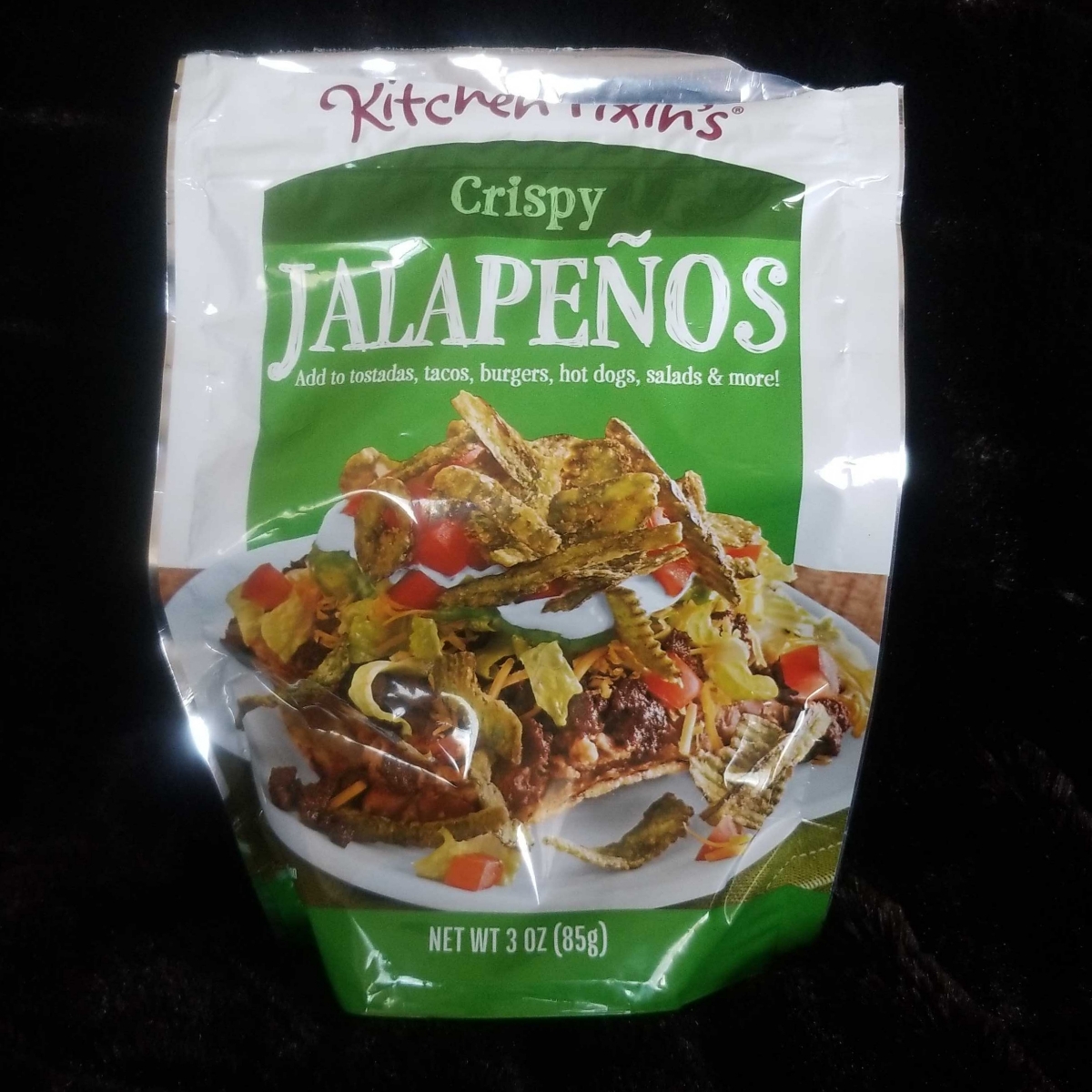
Most people find that the "Fresh Gourmet" brand Crispy Jalapenos found in the salad topping aisle of stores like Kroger or Wegmans are about 90% identical to what you get at Jimmy John's. They use the same basic industrial frying process.
Nutritional Reality Check
Look, nobody is ordering these for their health. They’re fried bits of pepper.
A standard serving adds about 30 to 50 calories to your sandwich. It’s mostly fat from the oil and carbs from the flour coating. But honestly, in the context of a 1,000-calorie Gargantuan, the jalapenos are a rounding error. They provide a massive flavor ROI (Return on Investment) for a relatively small caloric cost.
The sodium is the real thing to watch. These are salted heavily to preserve the crunch. If you’re watching your salt intake, maybe skip the extra peppers and stick to the regular "Hot Peppers" (which are the chopped cherry peppers in vinegar).
Why They Aren't "Soggy"
People always ask how they stay crispy inside a wrapped sandwich. The answer is: they don't stay crispy forever.
Jimmy John’s wraps their sandwiches in breathable paper for a reason. If they used plastic or heavy foil, the steam from the warm bread (or just the ambient moisture of the veggies) would turn those peppers into mush in five minutes.
If you're ordering delivery, the "crunch window" is about 15 to 20 minutes. After that, the flour coating starts to absorb the moisture from the mayo and the lettuce. If you want the peak experience, you’ve got to eat that sub immediately.
The Future of the Crunch
We're seeing a trend. Fast-casual spots are moving away from "fresh and cold" and moving toward "bold and textured."
Jimmy John's crispy jalapenos represent a shift in the brand’s identity. They used to be the "boring" reliable choice. Now, they're experimenting with things like ghost pepper cheese and balsamic glazes. The crispy peppers were the gateway drug for this transition.
They proved that JJ's customers wanted more than just "standard" deli flavors. They wanted intensity.
Your Actionable Next Steps
If you want to master the art of the crispy pepper, here is how you handle your next visit:
- Ask for them on the side: If you are getting your sandwich to go, ask the staff to put the crispy jalapenos in a small portion cup. This prevents them from getting soggy during the drive home. Sprinkle them on right before you take your first bite.
- The "Crunch Blend": Try combining the crispy jalapenos with the standard Jimmy Peppers. You get the acidic vinegar "zing" from the wet peppers and the savory "thud" of the crispy ones. It’s a total flavor overload.
- Check the App First: Jimmy John's often runs "Rewards" where adding a topping is free or discounted. Don't pay full price for the crunch if you don't have to.
- Balance the Cream: Always pair these peppers with a creamy element. Whether it’s the avocado spread or extra mayo, the fat in the cream helps bind the spicy notes of the pepper to the rest of the sandwich.
Next time you're standing at the counter and the worker asks if you want to add anything else, don't just say "no" out of habit. Those little red-and-brown flecks are sitting right there in the bin, waiting to save your lunch from being mediocre. Go for the crunch. You won't regret it.