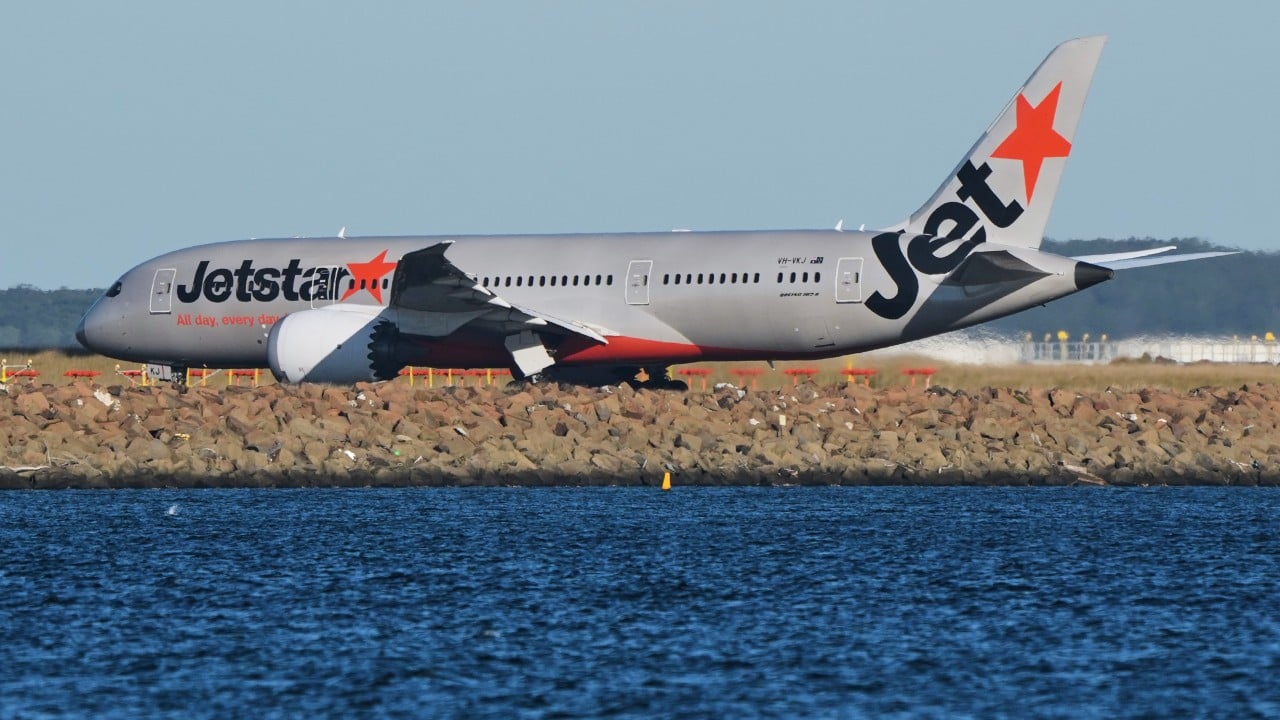
Stop whining about airline fees. The internet is having a collective meltdown over Jetstar's decision to charge for overhead locker space, treating it like an unprecedented assault on human dignity. Consumer advocates are screaming cash grab. Frequent flyers are threatening boycotts. Everyone is asking the wrong question.
The debate shouldn't focus on whether charging twenty-five to fifty-two dollars for an overhead bin is fair. The real question is why airlines didn't start treating overhead space like scarce real estate a decade ago. In similar news, take a look at: The Ashes Left Behind When a Greek Dream Turns to Smoke.
I have watched companies burn millions trying to fix the boarding gate bottleneck with polite announcements, color-coded zones, and aggressive bag-weighing scales. None of it works because the current economic model of air travel encourages antisocial behavior. Under the old system, a passenger paying fifty bucks for a seat brings a roller bag the size of a mini-fridge, stuffs three weeks of laundry into it, and expects everyone else to subsidize their denial of physics.
Jetstar's new policy drops the arbitrary seven-kilogram weight limit and replaces it with a simple economic truth: space has a cost. Condé Nast Traveler has also covered this fascinating subject in great detail.
The Economics of the Tin Can
Let us look at the mechanics of a single-aisle aircraft cabin. There are roughly one hundred and eighty seats on an Airbus A320, but the overhead bins hold about eighty standard roller bags if packed by a Tetris grandmaster. When airlines bundle overhead access into the base fare, they create a classic tragedy of the commons. Everyone tries to cram their entire wardrobe above row fourteen because it is free, leading to boarding delays, gate friction, and flight cancellations.
Economists call this a negative externality. I call it the five-minute aisle blockade where a guy in a fleece vest tries to shove a hard-shell suitcase into a locker wheels-first while three rows of people watch their connection times evaporate.
By charging for the bin, Jetstar is doing something radical. They are matching supply with demand using price signals rather than raw chaos.
Critics argue this is a stealth tax on budget travelers. Let us look at the actual data. If you travel light—throwing a laptop and a change of clothes into a backpack that fits under the seat in front of you—your base fare stays untouched. You get a cheaper ticket because you aren't paying for the structural weight and space consumed by the person hauling two weeks of luggage onto a regional hop.
This is the purest form of user-pays architecture. If you want to use public warehouse space thirty thousand feet in the air, you pay rent. If you want to travel light, you keep your money.
Dismantling the Gate Rage Myth
The lazy consensus in travel journalism claims that charging for bins will cause massive punch-ups at the boarding gate. Passengers will allegedly sneak oversized bags past check-in, leading to gridlock.
This argument misunderstands how low-cost carrier operations actually function. Jetstar is dropping the tedious, slow-moving ritual of weighing every single bag on a luggage scale. Weighing bags is a relic of an analog era that measured the wrong metric. Mass does not slow down a Boeing or an Airbus; volume does. A ten-kilogram bag of feathers takes up the same bin space as a ten-kilogram anchor.
Under the size-based model, gate staff stop acting like postal inspectors checking kilograms and start operating like bouncers checking dimensions. If your bag fits in the sizer, you are good. If it goes up top, you bought the priority pass. Clarity replaces confusion.
I have spent years analyzing airline operational efficiency. The single biggest driver of turn-around time on the tarmac is the time it takes passengers to stow their gear and sit down. When overhead space is commoditized, fewer people bring massive rollers. The ones who do have paid for priority boarding, meaning they board first, stash their gear efficiently, and get out of the aisle. The boarding queue stops looking like a refugee camp migration and starts resembling an organized transit system.
The Counter-Intuitively Better Passenger Experience
Imagine a scenario where you book a quick weekend trip. You bring a single backpack. Under the old rules, you still boarded behind sixty people carrying massive hard-shell cases, meaning by the time you reached row twenty-two, every single overhead bin was full of someone else's surplus wardrobe, and a flight attendant forced your backpack under the seat anyway. You paid for overhead access you never received because early boarders hogged it all.
Now, look at the future layout. The bins will actually have space because fewer people will pay for the add-on. If you do pay for the priority carry-on slot, you are guaranteed a spot without having to fight for real estate against someone who bought a ninety-dollar seat and brought three hundred dollars worth of luggage.
This model forces an honest behavioral shift.
- Pack light, pay less.
- Pack heavy, pay for the infrastructure you consume.
- Board faster, fly on time.
The backlash against this policy is driven by nostalgia for an era of air travel that never really worked. We spent decades pretending that unlimited cabin luggage was a fundamental human right, paid for through hidden fees baked into everyone's tickets whether they used the space or not.
Jetstar is pulling off the bandage. The sooner other carriers across Asia-Pacific copy this playbook, the sooner the airport boarding gate stops being the most miserable place on Earth.
Stop mourning the free overhead locker. It was never free. You were just paying for it even when your bag stayed home.