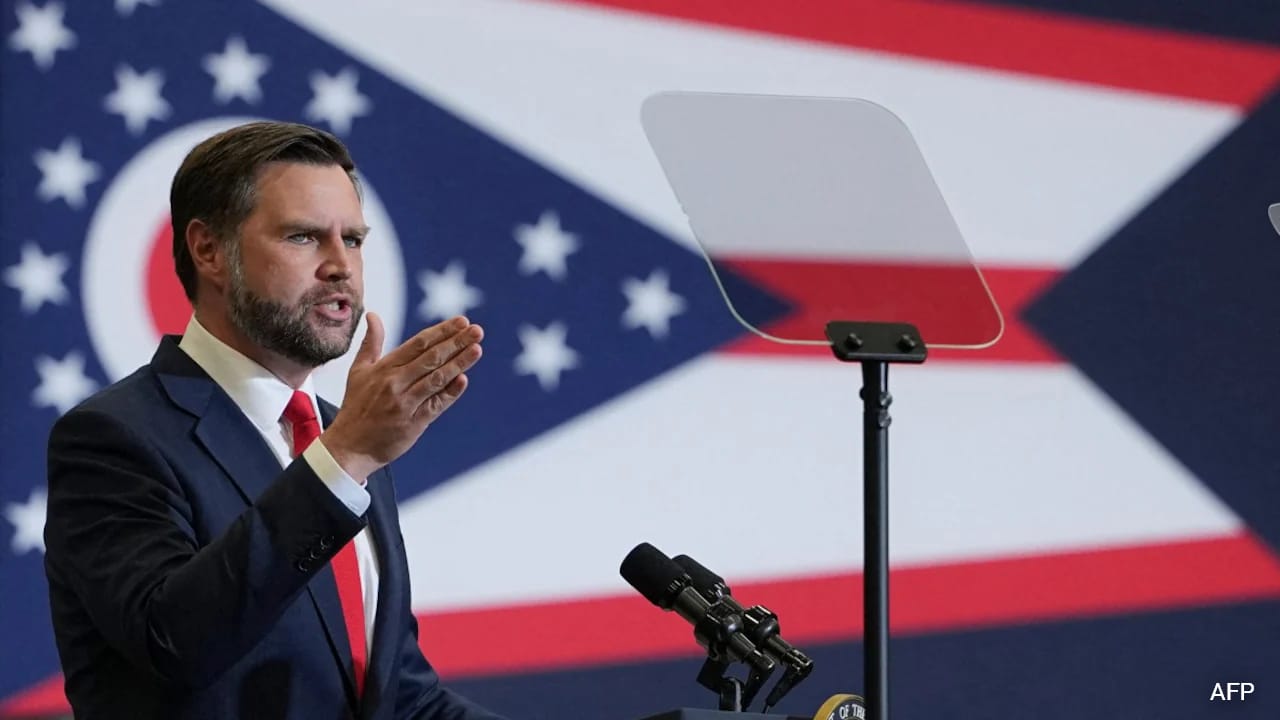
"Politics is a tough business," Vice President JD Vance told reporters in late October 2026, brushing off GOP outrage over Vivek Ramaswamy's attack ad. He said he was "disgusted" by Republicans "whining" about the spot.
That comment didn't just defend an ad. It exposed a raw fault line inside the GOP right before Election Day.
Ramaswamy's campaign ran an ad featuring the estranged mother of his Democratic opponent in the Ohio governor's race, Dr. Amy Acton. In the spot, her mother urged Ohioans not to vote for Acton and claimed she had lied her whole life. What got left out of the ad—and what made it so explosive—was the painful history behind their estrangement. Acton and her brother were removed from their mother's custody in 1978, the same year her stepfather, Cledith Arthur, was indicted on charges of raping her as a child.
What Actually Happened With the Ad and Vance's Reaction
When reporters pressed Vance on October 21 while he was headed to an Ohio rally, he didn't mince words. He told critics in his own party to stop whining and said whether the 60-second spot was appropriate wasn't really his concern. Instead, he argued that what mattered was who would govern the next generation of American government, while calling Acton a liar on her positions.
That put Vance squarely on one side of a sharp Republican split. President Donald Trump praised the ad as "very powerful" and said he told Ramaswamy not to pull it. Plenty of other Republicans saw things differently. Outgoing Ohio GOP Governor Mike DeWine said running the ad was wrong and should be taken down. Republican Senator Jon Husted also criticized it, and one GOP lawmaker warned publicly that Vance's stance could hurt his own presidential ambitions down the road.
Ramaswamy initially doubled down, even pledging $4 million to keep airing the commercial. Yet by October 29—just days before the November 3 election—his campaign pulled the ad off the air in Ohio.
Why Personal Family Attacks Often Backfire on Voters
Honestly, campaigns reach for personal family material when they think a candidate's record isn't moving the needle fast enough. You see it all the time in rough statewide races. Strategists assume a shocking family accusation will make voters question a candidate's honesty or character.
In practice, it often works in reverse. Voters don't treat every attack as fair game. When an ad drags a childhood trauma survivor's estranged parent into a statewide race, a lot of people see a line crossed—regardless of party label. Even folks who disliked Acton's COVID-19 policies as former Ohio health director can separate tough policy debates from a deeply painful childhood history.
There's also a practical mistake campaigns make when they treat family conflict like a standard opposition-research hit. Family estrangements are messy, emotional, and rarely one-dimensional. Once voters learn the context—including the 1978 custody loss and indictment involving her stepfather—the ad looks less like tough campaigning and more like piling on someone who already survived something awful.
The Fallout in the 2026 Ohio Governor's Race
The timing couldn't have been worse for Ramaswamy's bid. Even before the ad hit the airwaves, the Cook Political Report had shifted the open Ohio governor's race to a toss-up, noting Ramaswamy struggled with likability among key groups of voters despite heavy spending.
After the ad sparked backlash, Acton saw a surge in small-dollar fundraising, becoming ActBlue's second-highest fundraiser following the controversy. Forecasters moved the race toward Democrats in the final stretch.
On November 3, 2026, Acton defeated Ramaswamy to become Ohio's next governor—winning roughly 50.8% to 45.9% as votes were counted and finishing ahead by nearly eight percentage points. It marked the first time Democrats won the Ohio governor's mansion since 2006. Acton later said she had no intention of speaking with Ramaswamy after what she called a "terrible and despicable" ad, framing her win around decency and rejecting constant vitriol.
What This Fight Means for Future Campaigns
For political operatives, strategists, and voters watching closely, the episode leaves a few clear lessons that apply well beyond one Ohio race:
- Watch the blowback on persuadable voters: Base voters may cheer any attack on a rival, but swing voters and independents often punish tactics they view as cruel or unhinged.
- Don't ignore local party pushback: When a sitting governor or home-state senator breaks ranks over an ad, it signals real concern that the message is hurting the broader ticket.
- Check the full backstory before going on air: If a family member's claim is tied to documented abuse or child-welfare history, airing it without context invites swift media scrutiny and voter sympathy for the target.
- Separate loyalty from strategy: Defending an ally out of loyalty can feel brave in the moment, yet tying your own brand to a toxic ad carries real political cost if voters reject it at the ballot box.
If you're tracking this story or analyzing modern campaign strategy, read full reporting from outlets like PBS News, AP News, and CBS News, compare polling shifts from nonpartisan trackers, and pay attention to how candidates handle personal attacks in the final weeks of an election when voters are making up their minds.