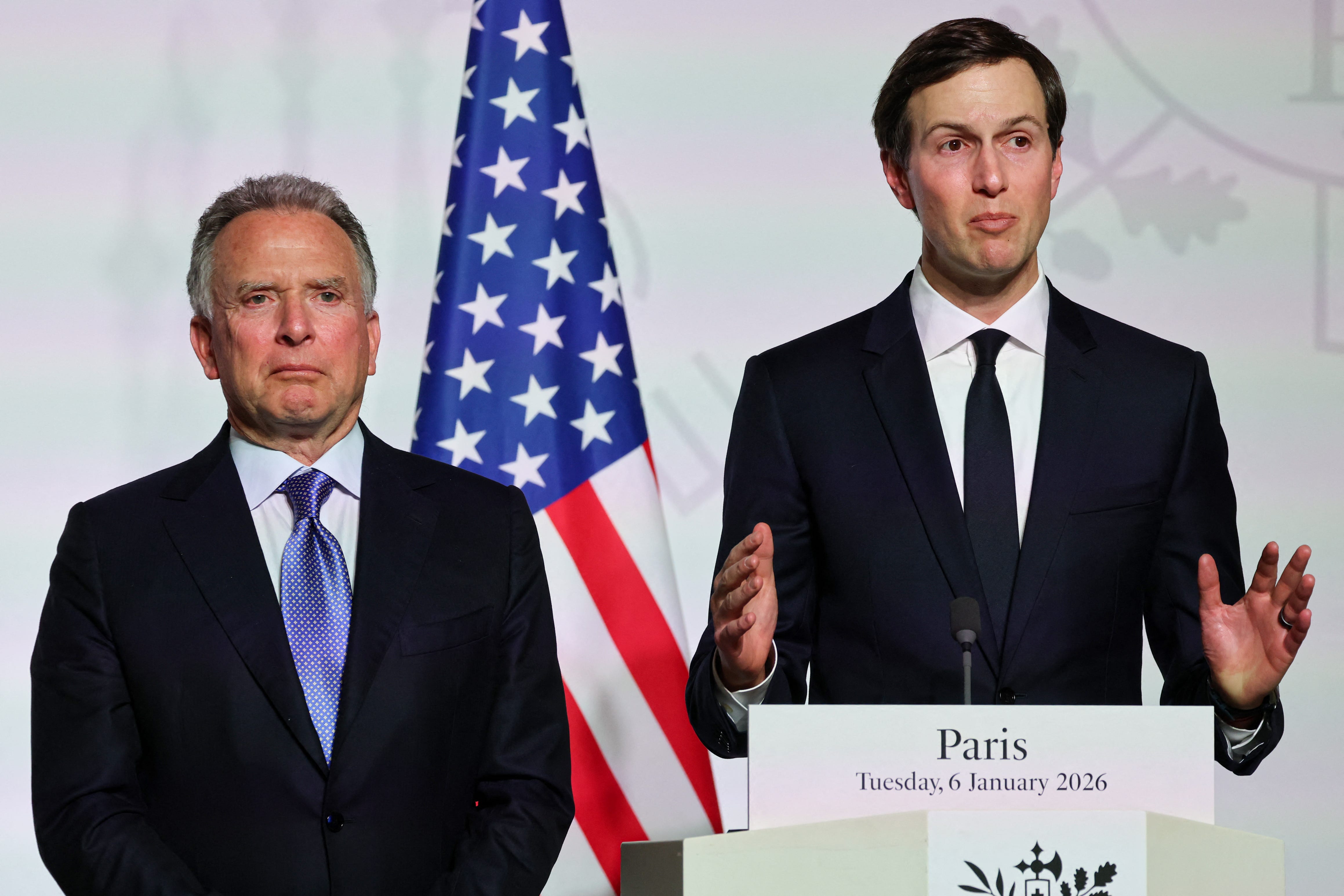
The mainstream press treats backchannel diplomacy like a high-stakes thriller where a single charismatic outsider swoops in to rewrite history over dinner. When headlines flash about Jared Kushner meeting regional players to push a Gaza deal, the lazy consensus immediately follows. Commentators spin tales of private equity visionaries unlocking peace through real estate logic and transactional leverage.
They are dead wrong.
I have spent decades watching Washington insiders and corporate fixers try to apply spreadsheet logic to blood-and-soil conflicts. They fail because they fundamentally misunderstand the architecture of Middle Eastern politics. Peace in Gaza is not a logistics problem waiting for a better supply chain manager, nor is it a corporate merger that requires an outside consultant to bridge the valuation gap.
Treating geopolitics like a commercial negotiation is the quickest way to guarantee a total collapse of policy.
The Flawed Premise of Transactional Diplomacy
The core misunderstanding centers on the belief that economic incentives can permanently override existential security anxieties. The traditional playbook assumes that if you dangle enough development capital, luxury tourism hubs, or infrastructure projects in front of a population, political radicalism simply evaporates.
It is a comforting fantasy for technocrats. It also ignores every recorded lesson of modern asymmetric warfare.
When survival is perceived as an ongoing daily crisis, abstract promises of future gross domestic product growth hold zero weight. Financial incentives work when actors are rational maximizers of wealth. When actors are maximizers of survival, sovereignty, or theological permanence, cash is just paper.
Why Private Equity Diplomacy Fails On The Ground
Consider the mechanics of the approach often attributed to private-equity-minded dealmakers. You map out a territory, calculate potential return on investment, and try to find a middle ground between opposing factions by splitting the difference on land or trade rights.
This works brilliantly for commercial real estate. It fails catastrophically when applied to populations with generational trauma and zero institutional trust.
- The Trust Deficit: Trust cannot be bootstrapped by signing an intent to invest. Without a monopoly on legitimate violence and a stable legal framework, any economic deal is instantly viewed as a trap or a subversion tactic.
- The Spoiler Problem: In any fractured ecosystem, the actors who benefit most from instability possess veto power over peace. A sleek waterfront master plan does nothing to neutralize an insurgent faction whose entire identity relies on perpetual resistance.
- The Legitimacy Crisis: External brokers lack organic authority. No matter how many backroom dinners take place, a deal engineered by foreign emissaries without deep, historical roots in the local street-level reality is dead on arrival.
Dismantling The People Also Ask Fallacy
If you look at search trends surrounding these diplomatic missions, certain questions pop up repeatedly. Each one suffers from a profound foundational flaw.
Can economic incentives replace political solutions in Gaza?
No. This question treats economics and politics as interchangeable currencies. They are not. Economic growth is the output of political stability, not its substitute. Pumping capital into a war zone without resolving the underlying questions of governance, borders, and security is like pouring jet fuel on a smoldering electrical fire.
Do unofficial envoys hold more power than state department diplomats?
Only in the realm of sensationalist media coverage. State Department diplomats are constrained by bureaucratic inertia, international law, and institutional memory. Unofficial envoys move fast and break things, but the things they break are usually delicate regional alliances built over decades. Agility without accountability is just recklessness with better PR.
The Real Power Dynamic Nobody Wants To Discuss
Strip away the glossy press releases and the breathless reporting on private flights, and you find a stark reality. Real power in the region does not rest with traveling troubleshooters offering economic blueprints. It rests with the hard, grinding, unglamorous mechanics of internal political survival for local leaders.
Israeli prime ministers and faction leaders in Gaza do not answer to corporate visionaries. They answer to domestic constituencies who will vote them out or string them up the moment they appear weak.
I have watched companies blow millions chasing silver-bullet solutions designed by outsiders who refused to learn the local dialects or study the religious subtext. They spend a fortune, generate massive media cycles, and leave behind a deeper mess than the one they found.
The contrarian truth is simple. Stop looking for a real estate genius to solve a theological and territorial deadlock. There is no disruptive app for peace. There is no venture capital framework that can bypass the brutal reality of armed conflict and historical grievance.
Until the international community stops treating statecraft like a tech startup pitch meeting, every high-profile trip will remain what it actually is: expensive theater played out for domestic political consumption thousands of miles away.
The next time you read about a charismatic outsider stepping in to cut a deal, remember that the only deals that last are the ones built by the people who have to live with the consequences of failure every single day. Everyone else is just tourists with better security details.