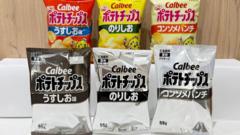
The connection between a bag of seaweed-flavored potato crisps and the geopolitical volatility of the Middle East is not a conspiracy theory. It is a lesson in the fragility of the global supply chain. At first glance, the snack aisle of a Tokyo convenience store and the high-tension theaters of modern warfare appear to exist in different universes. One is a realm of consumer comfort, the other of kinetic destruction. However, both are bound by a singular, invisible thread: the production of specialized semiconductors and the chemical precursors required to make them.
When analysts discuss "the Iran war"—whether referring to the long-standing shadow conflict or the localized regional escalations that threaten to boil over—they focus on oil. They talk about the Strait of Hormuz. They rarely talk about the high-grade silica or the specific resin polymers used in food packaging that share a direct manufacturing lineage with missile guidance components. The reality is that the same industrial bottlenecks that make your favorite Japanese snacks disappear from shelves are the ones that dictate the pace of military mobilization.
The Silicon Link in the Snack Bag
Most people see a crisp bag as a piece of trash. An engineer sees a sophisticated multi-layered barrier. To keep snacks crispy and prevent oil oxidation, Japanese manufacturers use a vacuum-metallized film. This involves depositing a microscopic layer of aluminum onto a plastic substrate. The machinery used for this high-precision coating is remarkably similar to the equipment used in "back-end" semiconductor manufacturing, where chips are packaged and protected from the elements.
Japan dominates the market for these specialized films and the machines that create them. When regional tensions in the Middle East spike, the price of energy doesn't just go up; the cost of the chemical feedstock for these plastics skyrockets. Because the aerospace and defense sectors have deeper pockets than snack giants like Calbee or Koikeya, the defense industry gets the first pick of the raw materials.
Why Snack Scarcity is a Warning Light
In early 2024, several Japanese snack lines faced "temporary suspensions." While the public was told this was due to potato crop yields, industry insiders knew better. The logistics of shipping specialized packaging materials became a nightmare as maritime routes around the Red Sea grew dangerous.
The crisis revealed a hard truth. If a company cannot secure enough film to wrap a potato chip, a nation cannot secure enough components to maintain a sustained drone program or ballistic missile defense system. The snack aisle is the "canary in the coal mine" for the defense industry. When the crisps vanish, it means the supply chain is being diverted to more lethal priorities.
The Geography of Conflict and Calories
To understand the Iran-Japan connection, you have to look at the map of shipping lanes. Japan imports nearly 90% of its oil from the Middle East. Any conflict involving Iran threatens the very energy that powers the factories in Osaka and Shizuoka. But the flow goes both ways. Japan’s high-tech exports—sensors, specialized lubricants, and advanced electronics—are the "dual-use" items that everyone wants.
Dual Use Dilemmas
A "dual-use" item is a product that can be used for both civilian and military purposes. This is where the Japanese crisp story gets dark. The precise sensors used in the automated sorting of potato chips—machines that can spot a single bruised slice moving at thirty miles per hour—are cousins to the optical sensors used in target acquisition.
During periods of heightened tension, export controls tighten. A Japanese firm might find it increasingly difficult to sell high-end industrial equipment to "neutral" hubs in the Middle East if there is a risk that the hardware will be stripped for its processors. This regulatory friction slows down global trade, leading to shortages in the most mundane places, like the supermarket.
The Hidden Costs of Precision
Japanese snacks are famous for their variety and quality. This quality comes from a "just-in-time" manufacturing culture that leaves zero room for error. This model is highly efficient until it isn't. The moment a drone strike hits a refinery or a tanker is seized, the ripples move through the global economy with terrifying speed.
- Energy Intensity: It takes a massive amount of electricity to process the resins used in modern packaging.
- Specialty Chemicals: Many of the catalysts used to create high-durability plastics are produced in small batches by only a handful of companies globally.
- Shipping Congestion: When ships avoid the Suez Canal, they add weeks to their journey, tying up the "floating inventory" that businesses rely on.
We often think of war as a localized event. In reality, it is a global reallocation of resources. When the threat of a full-scale Iran conflict looms, global insurers hike rates for every vessel on the water. A pallet of snacks becomes more expensive to move than it is worth. The result? The product is discontinued, and the raw materials are sold to someone who can pay the "war premium"—usually a defense contractor.
The Illusion of Sovereignty
Nations like to believe they are self-sufficient. The crisp-to-conflict pipeline proves they are not. Japan’s snack industry is a testament to its engineering prowess, but it is also a hostage to global stability. If Iran closes the Strait of Hormuz, the lights don't just go out in Tokyo; the machines that package the nation's food stop running.
The Role of Precision Plastics
Consider the "pouch" packaging often used for premium Japanese snacks. These are not simple plastic bags. They are multi-layer laminates that include oxygen scavengers and moisture barriers. The chemicals used to create these barriers are often the same ones used in the solid fuel binders for mid-range missiles.
This isn't to say that your snack bag is being turned into a rocket. It means that both industries are fishing in the same small pond for the same chemical compounds. In a world preparing for a "hot" war, the rocket always wins over the potato chip.
Beyond the Potato
The crisis extends into the world of "Global Gaming" and consumer tech. The same logic applies to the capacitors in a game console or the glass on a smartphone. However, the snack industry is the most visible victim because its margins are so thin. A tech company can absorb a $5 increase in component costs. A snack company cannot.
If you want to know how close we are to a significant military escalation, don't look at the op-ed pages of the major newspapers. Look at the lead times for industrial plastics and the availability of imported specialty goods. These are the real-time indicators of a world shifting its focus from consumption to combat.
The Future of the Supply Chain
Companies are now forced to "friend-shore" their production—moving factories to countries that are politically aligned. But you cannot "friend-shore" geography. You cannot move the oil fields of the Middle East or the specialized chemical plants of Honshu. We are locked into a system where a tactical decision in Tehran can dictate the inventory of a vending machine in Sapporo.
The next time you see a "Sold Out" sign on a niche imported product, understand that it is likely a symptom of a much larger fever. The global economy is a single organism. A wound in the Middle East bleeds out in the aisles of a grocery store thousands of miles away.
Watch the shelves. They tell a story that the politicians won't. The absence of the mundane is the loudest warning we have.