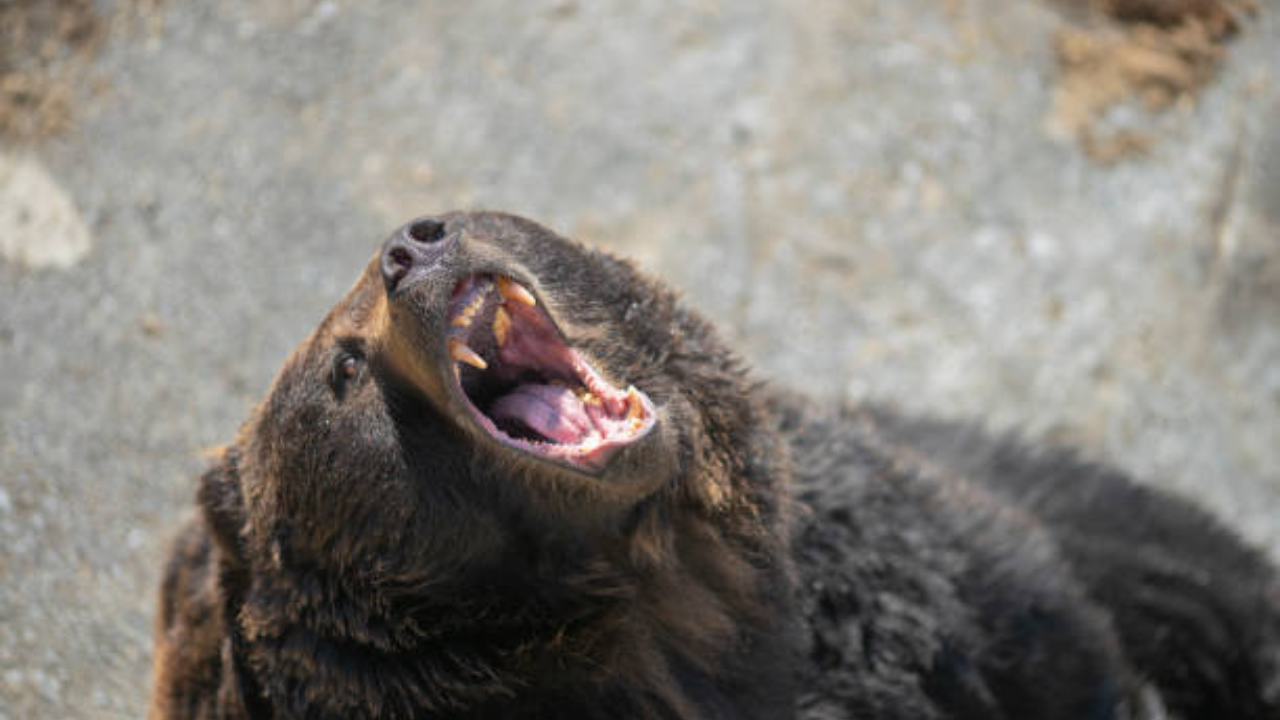
Japan is locked in a war of attrition against its own wildlife, and the bears are winning.
Government figures confirm a grim milestone. Authorities and licensed hunters dispatched over 14,000 Asian black bears and brown bears following a surge of aggressive encounters across the archipelago. Despite a body count that reads like an extermination campaign, the intervention failed to secure public safety. Six people lost their lives during the same period, and regional authorities immediately authorized the targeted culling of roughly 8,800 additional animals.
This is not wildlife management. This is panic policy driven by political optics and municipal terror.
When urban centers expand into ancient foraging routes, encounters skyrocket. Instead of addressing the structural drivers of human-wildlife conflict—abandoned agricultural plots, neglected secondary forests, and climate-induced mast failures—prefectural governors default to the trigger. The logic is simple, visceral, and entirely ineffective. Pull the trigger on enough bears, the reasoning goes, and the woods become safe again.
The Arithmetic of Attrition
Statistics tell a story of systemic failure disguised as decisive action. A cull of 14,000 animals represents a historic high in modern Japanese wildlife harvesting, eclipsing previous decades of population control. Yet, fatal attacks persist.
Nature abhors a vacuum. When a territory loses its dominant apex predator or scavenger through indiscriminate culling, the remaining habitat does not sit empty. Younger, transient males frequently move into the vacant ranges. These newcomers lack established foraging territories and often display less fear of human infrastructure, driving up the frequency of close-quarters conflict rather than diminishing it.
Hunters are aging out of the system. The demographic collapse gripping rural Japan hits the hunting community with particular fury. The average licensed hunter in prefectures like Akita, Iwate, and Hokkaido is well past retirement age. Municipalities rely on a dwindling cadre of aging volunteers who are increasingly unequipped for the grueling, dangerous work of tracking apex predators through dense, snow-laden mountain brush.
Ecological Collapse Meets Social Panic
To understand why thousands of dead bears fail to protect human lives, one must look at the caloric math of the mountains.
Asian black bears rely heavily on hard mast—acorns, beechnuts, and chestnuts—to build the fat reserves necessary for winter hibernation. Climate anomalies, erratic spring frosts, and summer droughts have repeatedly devastated nut crops across northern and central Honshu. When the trees fail to produce, the buffet vanishes.
Starving animals do not respect municipal boundaries. They migrate down valleys toward human settlements, drawn by the irresistible scent of unharvested persimmons, garbage bins, and discarded agricultural waste.
Villages across the Tohoku region once maintained dense belts of cultivated buffer zones, keeping the forest edge at a respectful distance from residential homes. Decades of depopulation reversed this ancient geography. As rural populations shrank and aged, once-tended orchards and rice paddies reverted to dense brush right up to the back porches of rural homes. Bears now find optimal cover and rich calories fifty yards from a farmhouse kitchen.
Shooting animals after they enter a village treats the symptom while ignoring the disease.
The Failure of Retaliatory Eradication
Local governments face intense pressure from terrified constituents. When a pensioner is mauled while gathering wild vegetables, mayors must project control. Announcing a bounty or dispatching hunters provides immediate psychological relief to a panicked electorate, even if the policy lacks scientific backing.
Wildlife biologists point out that indiscriminate culling targets the wrong individuals. Targeted removal of specific problem animals—those that have lost their natural wariness and learned to associate human settlements with easy calories—makes sense. Blanket culling across vast prefectural zones removes wary, elusive bears that actively avoid human contact, leaving behind the desperate or habituated outliers.
Public funding pours into traps, ammunition, and overtime pay for hunters, while vital preventative measures remain starved of resources. Electric fencing, clearing abandoned fruit trees, securing municipal waste infrastructure, and restoring natural mast-producing forests require long-term capital and labor-intensive maintenance. Bullets are cheaper and faster.
The Road Ahead Requires Radically Different Terrain
Japan stands at a crossroads. Continuing the current trajectory promises an escalation of the body count on both sides without achieving ecological equilibrium.
Coexistence requires hard, unglamorous labor. Prefectures that successfully mitigate conflicts rely on aggressive habitat management, rapid-response teams trained in non-lethal hazing, and strict enforcement of waste management protocols. Where municipal waste is locked down and abandoned orchards are cleared, bear incursions drop dramatically, regardless of the local population density.
Until the policy shifts from reactionary slaughter to proactive landscape management, the mountains will continue to empty, the traps will stay set, and the human cost will remain unchanged.