The air in Suva smells of crushed ginger, salt spray, and an underlying, rising heat that feels less like weather and more like a warning.
Step outside into the humid afternoon, and you notice it immediately. The ocean does not greet the shore with the casual indifference of postcards. It crowds the docks. It gnaws at the roots of ancient mangroves. For the people who live here—those who watch the tide creep past ancestral markers year by year—the crisis is not an abstract spreadsheet floating in a boardroom in Geneva or New York. It is damp floorboards. It is brackish water filling wells meant for drinking. It is an evacuation plan pinned to a refrigerator door.
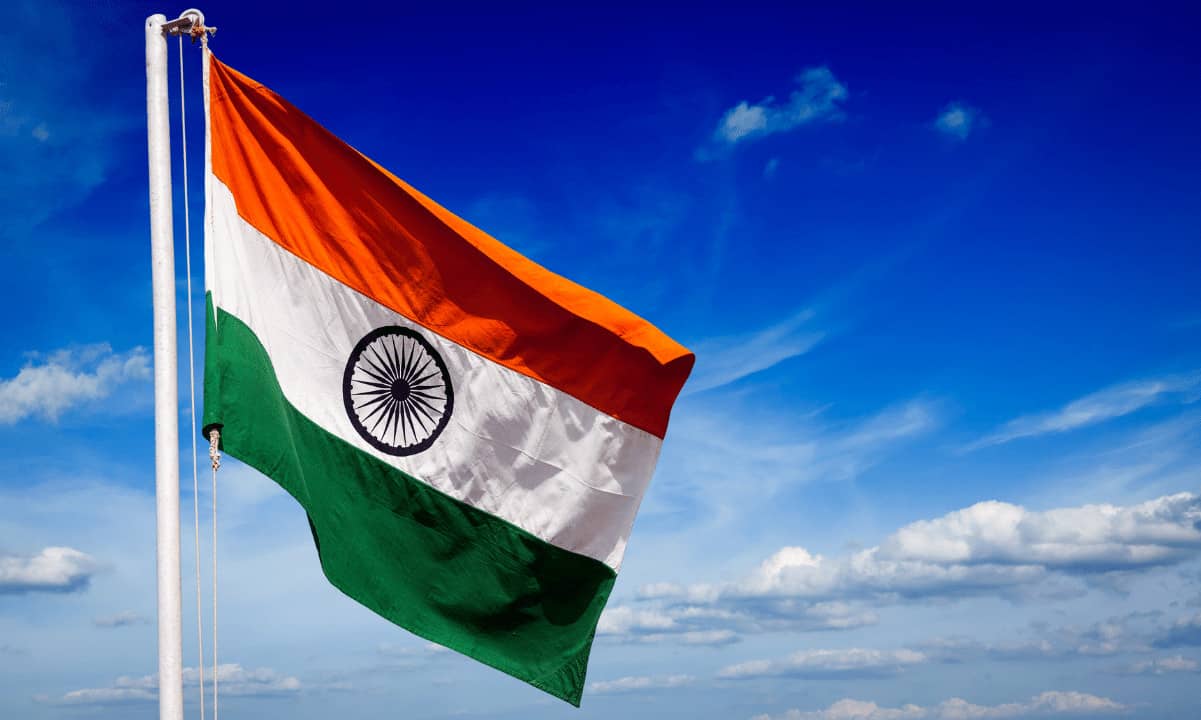
Into this pressure cooker stepped Union Minister Bhupendra Yadav.
He arrived not with grand pyrotechnics, but with the quiet, heavy portfolio of a man carrying the anxieties of over a billion people on his shoulders. The destination was Fiji. The mission was Pre-COP. On paper, it sounds like bureaucratic throat-clearing—a preliminary meeting before the main global climate summit. In reality, it is a high-stakes rehearsal for survival.
Consider what happens when the delegates sit down in air-conditioned rooms while the tropical sun beats relentlessly against the glass. Across the room, island nations stare down the barrel of extinction. They do not want polite sympathy. They want capital. They want accountability. And India, straddling the uneasy line between a booming developing economy and a climate-vulnerable giant, finds itself uniquely positioned to bridge the chasm between those who polluted the past and those drowning in the present.
Yadav’s journey to the Pacific is a masterclass in modern diplomatic tightrope walking.
To understand why this matters, you have to look past the velvet ropes of the conference hall. Imagine an elderly fisherman in a village just outside the capital, a man who has cast nets in the same turquoise shallows his grandfather fished. He does not know what a Nationally Determined Contribution is. He does not care about carbon markets or multilateral financing windows. He knows only that the reef has bleached white like bone, that the crabs are moving further inland, and that the sea wall his community built with their own bare hands last winter is already weeping water at high tide.
When ministers gather for Pre-COP discussions, they are wrestling with the machinery designed to save that fisherman's grandchildren.
Yet, for decades, that machinery has operated like a rusted engine. Pledges are made under the flash of television cameras; checks are signed in grand halls; and then the paperwork gets bogged down in an administrative quagmire of eligibility criteria, bureaucratic red tape, and shifting goalposts. Developing nations look at wealthy industrialized countries and see a familiar pattern: broken promises wrapped in diplomatic prose.
India’s role in these preparatory talks is rarely simple. As a nation lifting millions out of poverty through industrialization, its energy demands are colossal. Coal still lights homes. Factories still hum. To demand an immediate, unassisted halt to fossil fuel reliance is to ask a drowning man to let go of the only rope within reach because it happens to be fraying.
This is where the concept of climate justice stops being a catchphrase and becomes a desperate negotiation over survival.
Yadav’s presence in Fiji signals a deliberate shift in strategy. It is an acknowledgment that India cannot simply speak for itself; it must amplify the chorus of the Global South. The Pacific nations are the canary in the coal mine, but India is the heavy anchor trying to steady the ship before it hits the reef.
Walk through the bustling municipal markets of Suva, past stalls piled high with taro root and glossy papayas, and you will hear conversations that cut straight to the bone. Locals talk about cyclones with the casual dread that people elsewhere reserve for bad traffic forecasts. They talk about relocation—not as a political policy, but as an eviction notice served by the weather.
When international delegations debate finance mechanisms, they are arguing over whether a family forced to abandon their ancestral home gets enough assistance to rebuild inland. They are haggling over the price of human displacement.
Yadav’s engagements in Fiji focused heavily on building consensus, ensuring that the voices of small island developing states do not get drowned out by the geopolitical noise of larger superpowers. It is easy for global climate talks to become a proxy war between economic titans, where emissions targets are weaponized and financial aid is used as a diplomatic carrot and stick. Against that cynical backdrop, regional solidarity becomes the only shield the vulnerable have.
Look closely at the architecture of these negotiations. They rely on trust—a commodity currently in dangerously short supply.
When a minister from a major developing economy visits the Pacific, the subtext is clear: we see you. We are not just negotiating numbers on a balance sheet; we are navigating the terms of human endurance. India’s push for renewable energy expansion at home—through massive solar initiatives and ambitious green hydrogen targets—gives its diplomats moral weight at the negotiating table. You cannot preach transition unless you are actively trying to make the leap yourself.
But transition is expensive. It requires technology transfers that rich nations hoard like family heirlooms. It requires concessional finance that doesn't plunge fragile island economies deeper into insurmountable debt traps.
This is the invisible architecture of Pre-COP. It is where the real bargains are struck before the circus of the main conference begins. It is where allies are forged in hotel corridors, over lukewarm coffee, amid the hum of translators' headsets.
By touching down in Fiji, Yadav stepped directly onto the front lines. He listened to leaders whose very borders are shrinking. He heard testimonies of villages swallowed by the swell. And in return, he carried the perspective of a nation that knows what it means to balance the aspirations of a billion ambitious souls with the unforgiving reality of a warming planet.
The tide outside the conference center keeps rising. It doesn't pause for speeches. It doesn't care about diplomatic protocols or delayed disbursements.
As the delegations pack their bags and head toward the next summit, the measure of their success will not be found in the length of their communique or the applause in the auditorium. It will be found in whether that fisherman’s grandchildren grow up on the land of their ancestors, or as stateless strangers in a world that talked while the water rose.