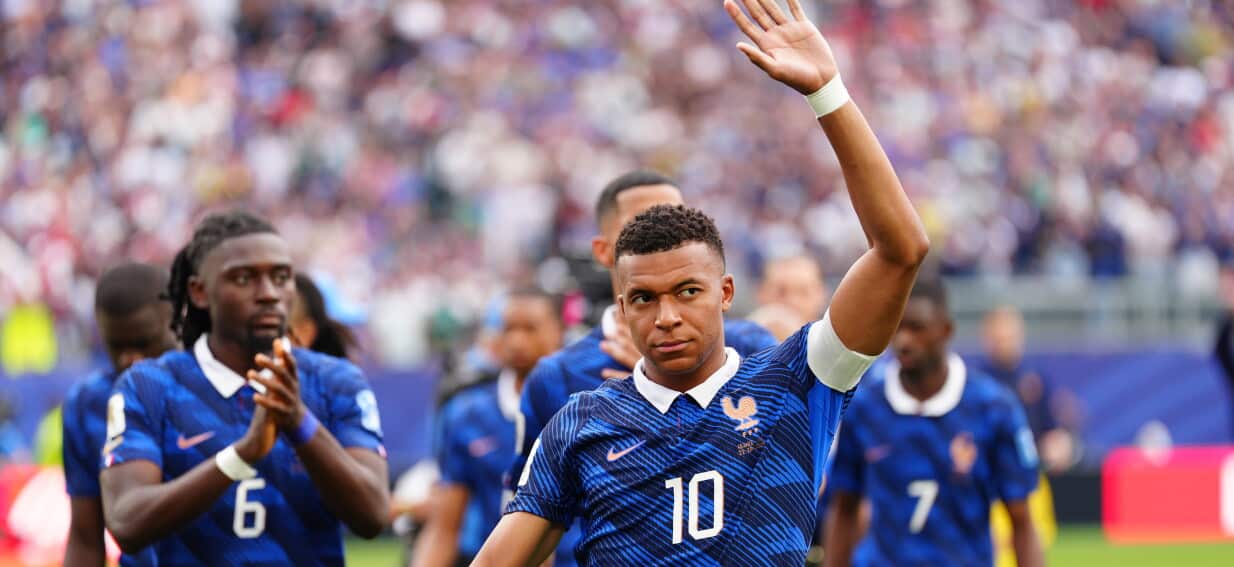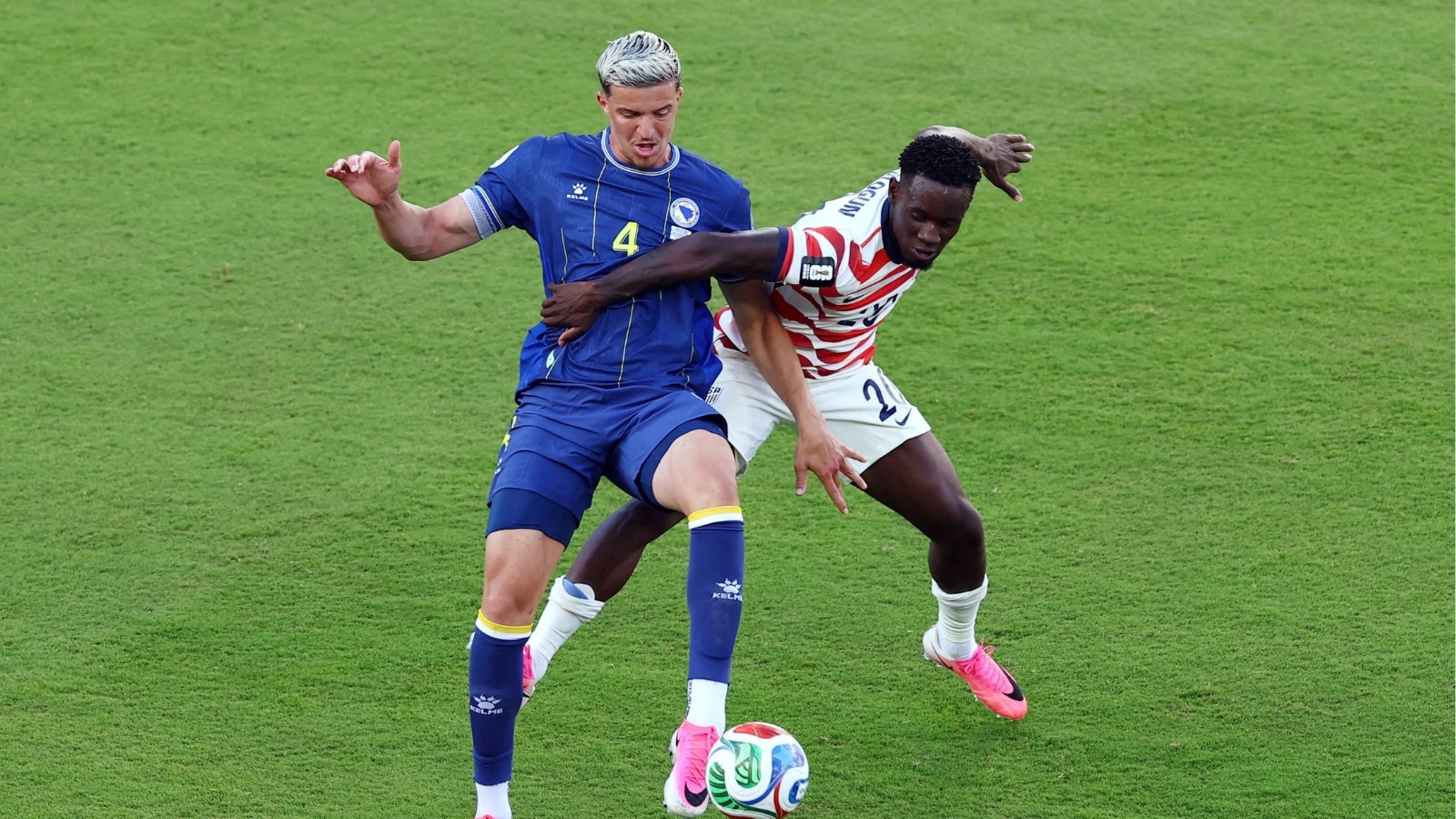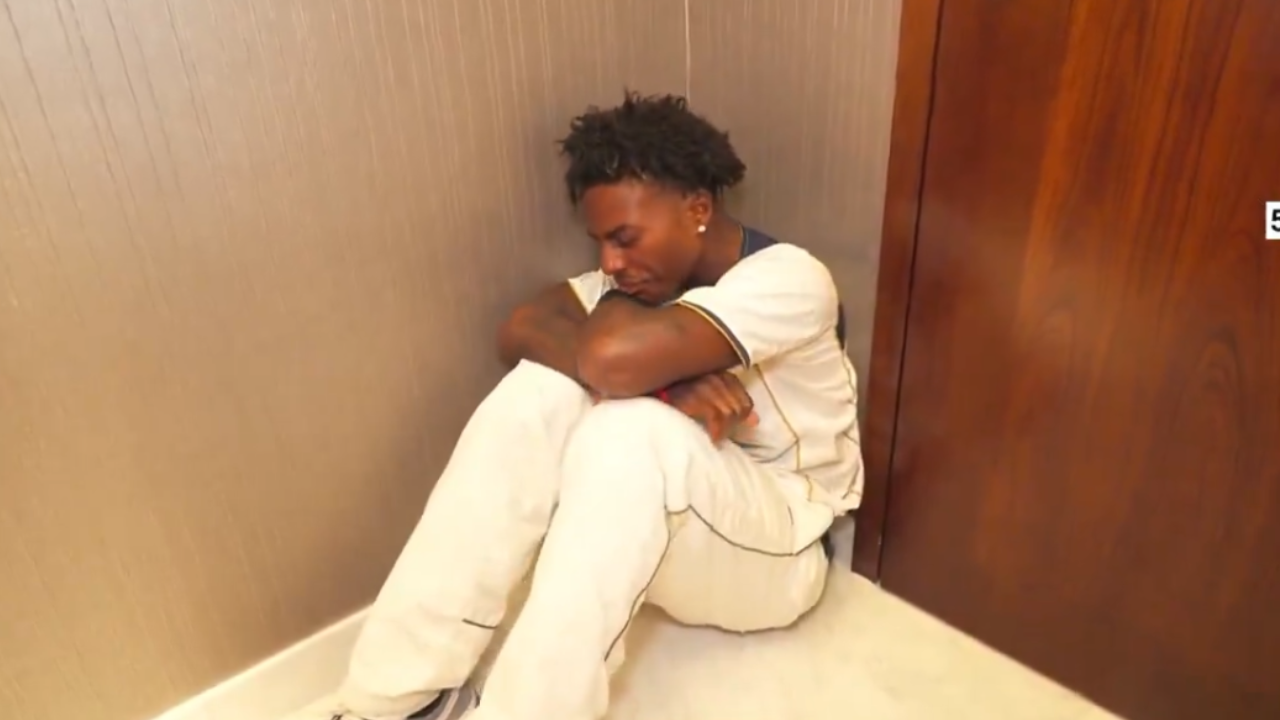
The images flooded social media within minutes. Darren Watkins Jr., known to millions as IShowSpeed, sat staring at his screen before burying his face in his hands. He was sobbing. Tears streamed down his face after Spain knocked Portugal out of the FIFA World Cup. "My prayers weren't answered," he muttered to his live stream audience. For traditional football purists, it was easy to dismiss. They saw a hyperactive American content creator overreacting for clout. But they missed the bigger picture entirely.
This wasn't just online theater. It represents a massive, undeniable shift in how a new generation experiences sports.
Fan loyalty used to be passed down through geography or family lines. You supported your local club because your dad did. Today, younger fans follow individual creators and players across platforms like YouTube and Twitch. When Portugal fell to Spain, the devastation felt by millions of viewers wasn't tied to a Lisbon postcode. It was tied to a digital community built around an idol.
The moment Portugal fell to Spain
The match itself carried immense weight. Spain and Portugal share one of international football's fiercest rivalries. The Iberian Derbi always delivers drama, but the stakes at the World Cup reached a boiling point. Spain's tactical discipline choked out Portugal's creative midfield. As the final whistle blew, sealing Portugal's elimination, the reality hit the streaming community hard.
Speed had spent the entire tournament building up the narrative. He positioned himself as Portugal's ultimate hype man. His stream wasn't just a broadcast. It was a communal viewing party where victory felt guaranteed through sheer force of will. When Spain broke that illusion, the emotional collapse was instant.
He didn't just turn off the camera. He let the raw, ugly side of sports fandom play out live in front of hundreds of thousands of concurrent viewers.
Moving away from traditional sports media
Traditional sports broadcasts are sterile. You get polished pundits in expensive suits analyzing expected goals (xG) and defensive transitions. They keep an emotional distance. Creators like Speed offer the exact opposite. It's unrefined, chaotic, and deeply emotional.
When a modern fan watches a match through a stream, they aren't looking for tactical breakdowns. They want shared validation. They want to see someone care as much as they do, even if that care manifests in screaming at a monitor or breaking down in tears.
- Parasocial connection: Viewers feel they are experiencing the tournament with the creator, not just watching them.
- Unfiltered emotion: No television network allows a commentator to weep openly for twenty minutes after a loss.
- Globalized support: A teenager in Ohio and a kid in Jakarta share the exact same emotional space during the match.
This shift explains why legacy sports organizations are scrambling to partner with internet personalities. The Premier League, La Liga, and FIFA have all realized that traditional advertising doesn't reach the under-25 demographic anymore. Content creators are the new gatekeepers of sports culture.
Real passion or just algorithm bait
The immediate criticism of Speed's reaction focused on authenticity. Skeptics claim everything a major creator does is calculated for the algorithm. Tears mean clicks. Clicks mean revenue.
That cynical view ignores how sports fandom actually functions in the digital space. Even if a persona is cranked up to eleven for the camera, the underlying investment is real. You can't fake the physical exhaustion of riding every wave of a ninety-minute knockout match. The anxiety is palpable. The despair when the referee blows the final whistle cannot be easily manufactured week after week.
It highlights a core truth about modern internet culture. The line between entertainment and genuine reality has blurred completely. To the audience watching, the distinction doesn't even matter. The shared trauma of the defeat felt entirely real to the community experiencing it together.
How the sports industry adapts to the creator economy
Clubs and international teams can no longer rely solely on traditional media rights to grow their brand. They need the creator economy. When an influencer with tens of millions of followers adopts a team, that team's global merchandise sales and digital engagement skyrocket.
We see this across all major sports leagues now. Teams invite streamers to stadiums, give them behind-the-scenes access, and feature them in kit launches. The old guard might complain about the changing demographic, but the financial reality dictates the future.
If you want to understand where football fandom is heading, look at the chat logs of a watch party stream during a massive tournament. It's frantic, tribal, and deeply loyal. The heartbreak of the Portugal defeat proved that these digital communities experience the exact same highs and lows as the fans sitting in the stadium stands.
To stay ahead of how sports media is evolving, start diversifying your consumption. Watch the tactical analysis on television, but pay attention to the community dynamics happening on platforms like Twitch and YouTube during major sporting events. That's where the real cultural shift is happening right now.