The humidity in the southern Philippines clings to your skin like a wet wool blanket. Standing on the coast of Mindanao, the air tastes of salt, diesel, and an older, heavier silence. This is a place where history is written not in ink, but in the slow creep of concrete and the quiet hum of heavy machinery shifting the earth.
To understand why elite military units from two allied nations recently turned their gaze toward an industrial giant sitting quietly on this southern shore, you have to smell the iron. You have to look past the bureaucratic paperwork and see the raw geography. Learn more on a similar subject: this related article.
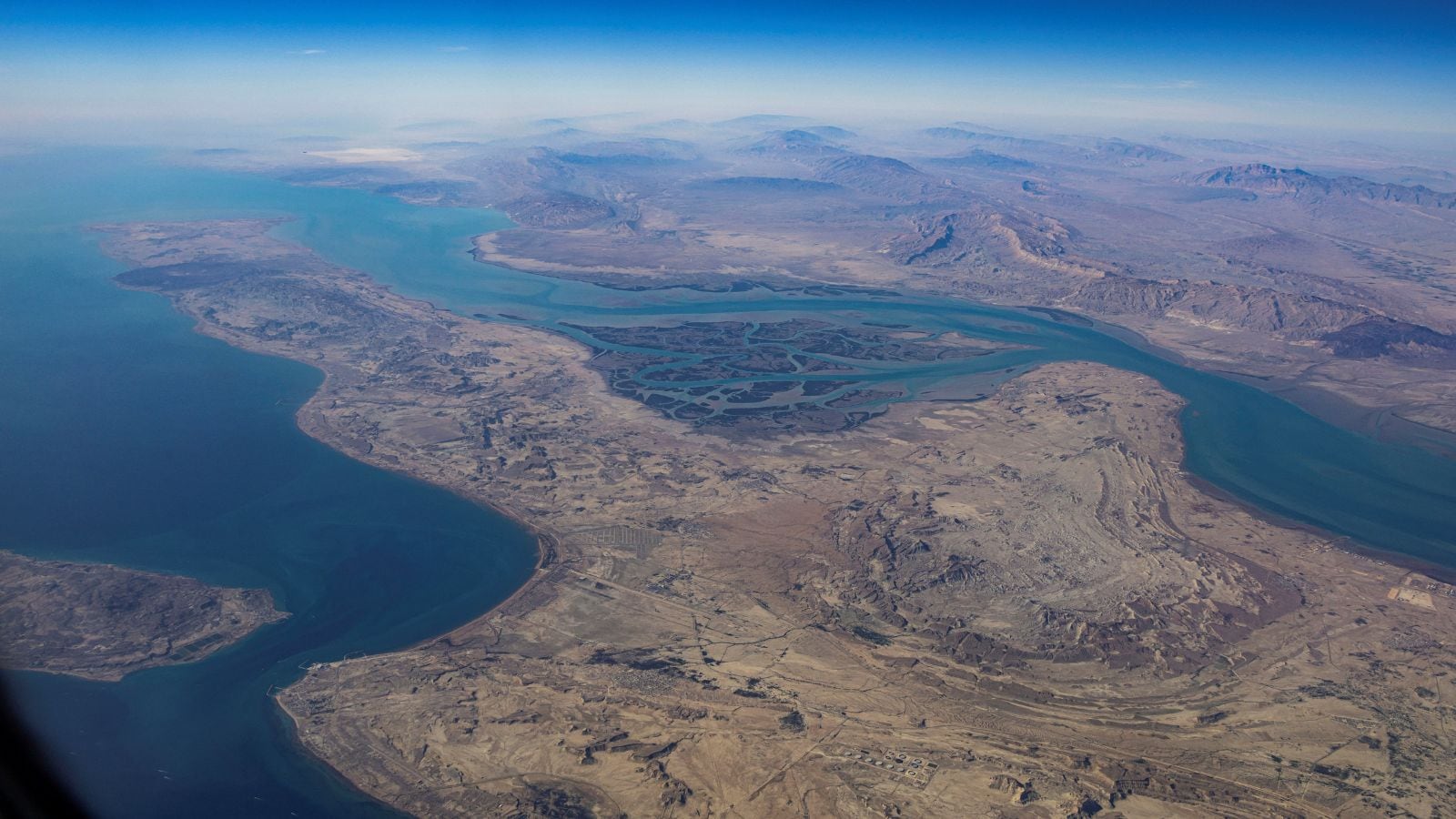
Consider a hypothetical fisherman gliding across the blue expanse of the Mindanao Sea in a wooden outrigger. To him, the colossal steel plant dominating the coastline is just another landmark, a mountain of modern ambition rising against the tropical green. But zoom out. Look at the shipping lanes, the deep-water access, the strategic positioning relative to vital maritime choke points. This is where commerce meets sovereignty, and where the boundaries between economic development and geopolitical leverage begin to blur into invisibility.
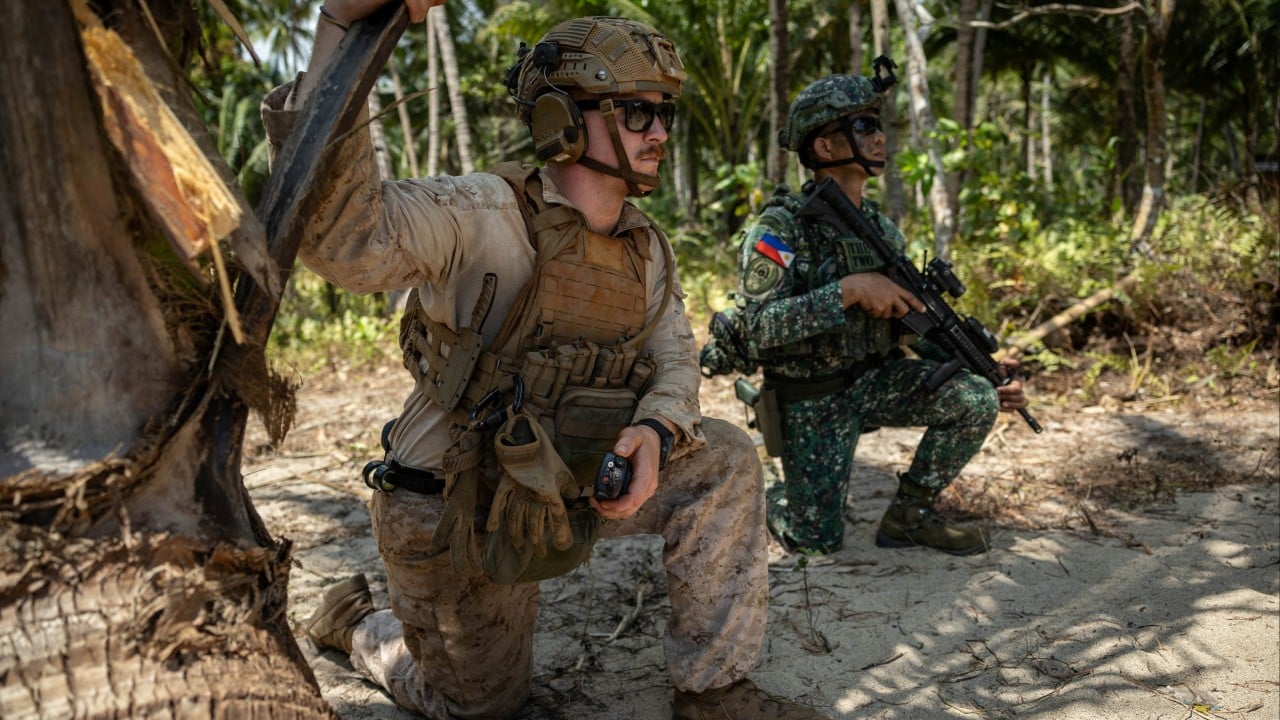
The official reports call it a routine site assessment. They use dry words like reconnaissance, coordination, and security protocols. Philippine and American forces, operating under the umbrella of long-standing bilateral defense frameworks, found themselves scrutinizing a massive Chinese-linked steel facility. More analysis by The Washington Post highlights similar perspectives on this issue.
Why?
The answer is not found in a classified briefing room. It lives in the quiet anxiety of a shifting world order.
For decades, security in the Asia-Pacific region was viewed through the narrow lens of open water and grey-hull warships. We watched the contested reefs. We counted the destroyers cutting through the South China Sea. We listened to the diplomatic posturing over maritime boundaries. But power has a way of evolving beneath our feet. It disguises itself in civic projects, industrial contracts, and foreign direct investment.
When a multi-million-dollar industrial plant anchors itself near vital strategic coastline, it changes the gravity of the entire region.
Imagine walking through the perimeter of such a facility. The scale is staggering. Molten metal glows with a fierce, blinding orange. Cranes move with robotic indifference, lifting beams that could hold up bridges or military bunkers. The engineering is brilliant. The financing, however, traces back through a complex labyrinth of transnational corporate structures and state-backed initiatives from Beijing.
This is the modern theater of influence. It does not always arrive with the thunder of artillery. Sometimes, it arrives quietly, delivered on cargo ships bearing raw ore and long-term leases.
When regional defense planners look at a Chinese-linked steel plant in Mindanao, they are not just looking at structural steel or manufacturing output. They are looking at dual-use potential. They are asking hard questions about communications infrastructure, heavy logistics capability, and maritime surveillance positioning. In an era where modern conflict is fought across electromagnetic spectrums and supply chain choke points, physical geography remains stubbornly relevant.
We have lived through enough history to know that infrastructure is destiny.
Think back to the naval coaling stations of the nineteenth century, or the railway lines that dictated the outcome of continental wars. Every era has its critical nodes. Today, the nodes are digital networks, semiconductor foundries, and heavy industrial hubs situated right on the edge of contested waters.
When the military forces of Manila and Washington decide to take a closer look at these installations, they are attempting to read the writing on the wall before the ink dries. It is an act of anticipation. It is an acknowledgement that security is no longer just about guarding a border; it is about understanding who controls the physical sinew of your own territory.
The local communities feel this tension acutely. They walk a tightrope between economic necessity and sovereign dread. Jobs are scarce in the southern provinces. A massive steel plant brings employment, infrastructure, and the promise of regional modernization. Families can put food on the table. Children can dream of engineering degrees. To dismiss the economic benefit is to ignore the daily reality of working-class families trying to survive in a developing economy.
Yet, beneath that gratitude runs a quiet current of unease.
Older residents remember the tumultuous history of Mindanao, a land scarred by insurgency, foreign exploitation, and the heavy boot of geopolitical chess matches played by distant capitals. They know what it means to be a pawn on a board. They look at the massive cranes piercing the skyline and wonder whose interests are truly being forged in those fires.
The strategic alignment between the Philippines and the United States is currently undergoing a radical reinvigoration. Under mutual defense guidelines, both nations are adapting to a security landscape that looks nothing like the Cold War blueprint. Joint exercises are expanding. Intelligence sharing is deepening. The focus has shifted from internal counterinsurgency to external deterrence and maritime domain awareness.
Within this grand strategy, Mindanao occupies a unique and delicate position. It sits at the southern flank of the archipelago, facing maritime approaches that connect the Pacific Ocean to the Indian Ocean through perilous straits.
When reconnaissance elements approach an industrial site, they are gathering data points for a much larger puzzle. They are mapping the invisible grid of modern vulnerability. If a crisis were to erupt in the region, how would commercial ports function? Who controls the fuel depots? What signals travel through the fiber-optic cables buried beneath the industrial park?
These are uncomfortable questions. They strip away the comforting illusions of globalization, reminding us that sovereign borders are only as strong as the vigilance of the people guarding them.
We often talk about geopolitics as if it were a board game played by faceless leaders moving plastic pieces across a colorful map. We use terms like spheres of influence, economic coercion, and strategic equilibrium. But maps lie. They flatten the human experience into tidy colors and neat boundaries.
The reality on the ground in Mindanao is messy, loud, and deeply human. It smells of hot metal and sea spray. It echoes with the laughter of children playing near factory walls and the low hum of anxiety in government offices trying to balance national security with economic survival.
The iron being poured in those furnaces will build the future, but whose future will it be?
As the sun dips below the horizon, casting long, bruised shadows across the Mindanao coastline, the lights of the industrial plant flicker to life, turning the dark water into a sheet of shimmering silver. Out on the horizon, an unmarked patrol vessel moves silently through the swell, keeping watch over a shore that holds the weight of tomorrow.