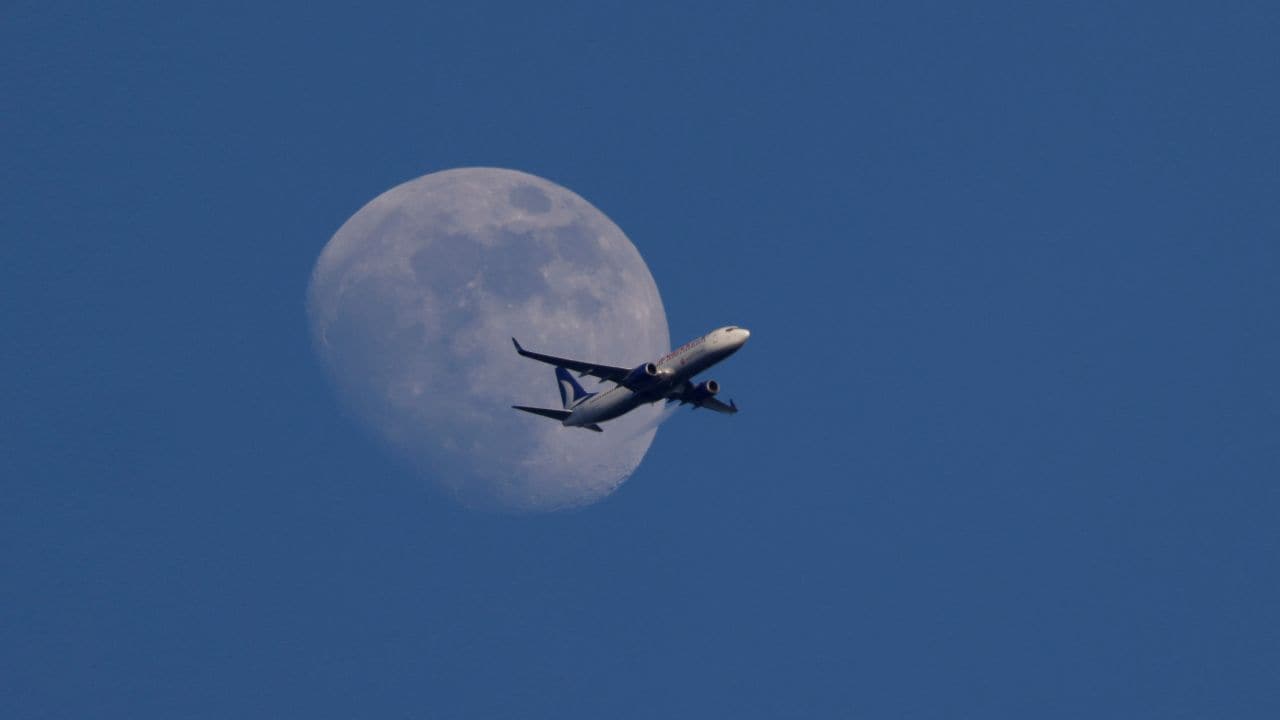
Iraq just flipped the switch back on for its skies. After a period of tension and grounded planes, the Iraqi Civil Aviation Authority confirmed that the national airspace is officially open again. This isn't just a minor bureaucratic update. It's a massive sigh of relief for regional stability and a logistical win for global airlines that have been burning extra fuel to dodge the country’s borders. If you’ve been tracking flight paths lately, you know the map looked like a chaotic mess of detours. Now, things are finally settling down.
The decision to reopen follows a rigorous safety assessment. Iraqi officials didn't just wake up and decide to let planes back in. They had to weigh the risks of regional conflict against the economic necessity of being a transit hub. For a few days, the uncertainty was high. Travelers were stuck in limbo at Baghdad International and Erbil International. But the "all clear" signal has been given. International flight operations are resuming, and the backlog of frustrated passengers is finally starting to move.
Safety first in the Middle Eastern corridor
You can’t talk about Iraq reopens airspace without talking about security. When the skies over Baghdad go dark, the rest of the world notices. The region is a high-traffic zone for flights moving between Europe and Asia. Closing this corridor forces pilots to fly south over Saudi Arabia or north through Turkish airspace. It adds hours to travel time. It drains fuel. It makes your ticket more expensive.
The Iraqi government insists that the risks have been mitigated. They’ve coordinated with neighboring countries to ensure that the "Notice to Airmen" (NOTAM) was lifted only when the threat levels dropped. Aviation experts generally agree that while the region remains volatile, the specific triggers that led to the recent closure have passed. Don't expect every airline to jump back in immediately, though. While the airspace is open, individual carriers like Lufthansa, Emirates, and Qatar Airways often perform their own independent risk audits before they resume their scheduled paths.
Iraqi Airways is already leading the charge. They’ve started prepping their fleet to clear the passenger pile-up. If you’re holding a ticket for a flight that was canceled over the last 48 hours, you're likely at the top of the list for the next available seat. It’s a messy process, but the infrastructure is holding up.
The economic hit of a closed sky
Aviation isn't just about moving people from point A to point B. It’s a revenue engine. Every time a plane flies over Iraq, the government collects overflight fees. These fees are a quiet but significant part of the national budget. When the airspace shuts down, that money vanishes.
- Fuel costs skyrocket: Airlines hate detours. A 20-minute detour on a wide-body jet can cost thousands in extra fuel.
- Logistical nightmares: Crew shifts get blown out of proportion. If a flight from London to Dubai takes an extra hour, the crew might hit their legal work limit, forcing an unscheduled stop.
- Trade delays: Iraq isn't just a passenger transit point; it's a cargo hub. Parts, medicine, and consumer goods get stuck when the wheels don't leave the tarmac.
The move to resume operations is as much about the economy as it is about politics. Iraq needs the world to see it as a stable, functioning transit partner. By reopening quickly, they’re signaling that they can manage their own security and maintain international standards. It’s a play for confidence.
What passengers need to do right now
If you’re currently traveling or planning a trip through the region, don’t just assume your flight is on time. The reopening is the first step, but the "ripple effect" is real. One canceled flight yesterday means three overbooked flights today.
Check your airline’s mobile app every hour. Honestly, that’s your best bet for real-time data. Don’t rely on the big boards at the airport because they often lag behind the actual dispatch office. If your flight is still listed as delayed, call the customer service line immediately to see if you can get rebooked on a partner airline. Being proactive saves you from sleeping on a terminal floor.
Most airlines are being flexible with change fees right now. Because the closure was a "force majeure" event, they aren’t always legally required to pay for your hotel, but many will offer vouchers to keep you happy. It never hurts to ask, and it usually works if you’re polite but firm.
Why this reopening feels different
In the past, airspace closures in this part of the world felt like they could last for weeks. This time, the turnaround was relatively fast. That suggests a higher level of communication between Iraq and international aviation bodies like ICAO. They’re getting better at this. They realize that in a globalized world, you can’t stay isolated for long without hurting your own people.
The resumption of international flight operations is a litmus test. If the next week goes by without a hitch, it’ll prove that the Iraqi Civil Aviation Authority has the technical capability to handle rapid-response security situations. It’s about building a "track record" of reliability. For the average traveler, it just means one less thing to worry about when booking a trip to the Gulf or beyond.
Moving forward with your travel plans
Don't let the headlines scare you off from booking travel. Sky-high tensions are part of the geography here, but the systems designed to keep you safe are working. The fact that the airspace was closed at all proves that authorities are prioritizing lives over flight schedules. When they reopen it, they do so with a massive amount of data backing the decision.
If you have an upcoming flight, keep these steps in mind. Confirm your flight status before leaving for the airport. Ensure your travel insurance covers "civil unrest" or "airspace closures," as many basic policies actually exclude these. Finally, keep a backup plan in mind. If you’re traveling for business, have a remote option ready. If it’s for a vacation, maybe give yourself a 24-hour buffer on either side of your trip. The skies are open, but the world is still a bit unpredictable. Stay informed and stay flexible.


